
Well, it isn’t just because they’re old.
It’s because of something called “vernacular architecture”… 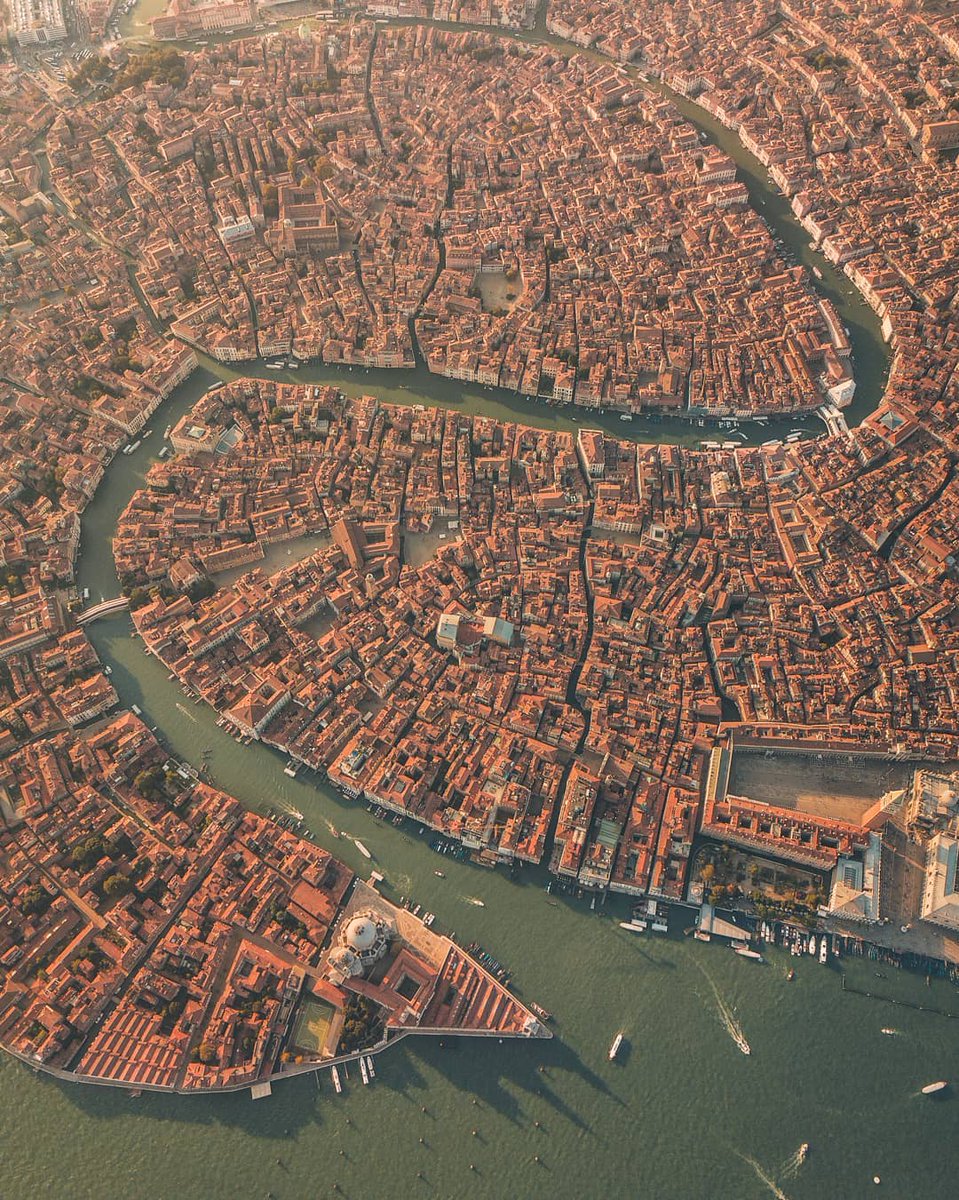
The answer is vernacular. What is it? Well, vernacular clearly isn’t a specific style of architecture. 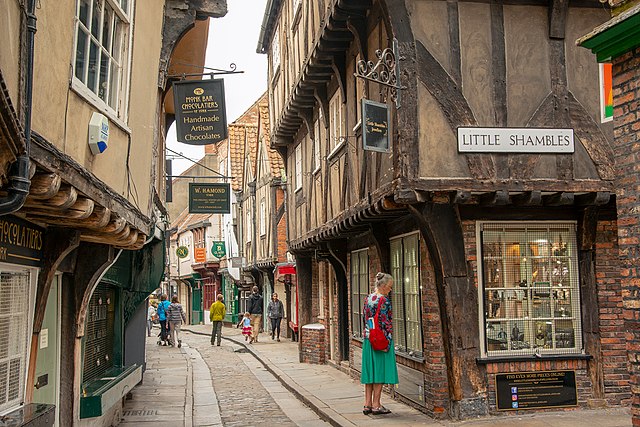
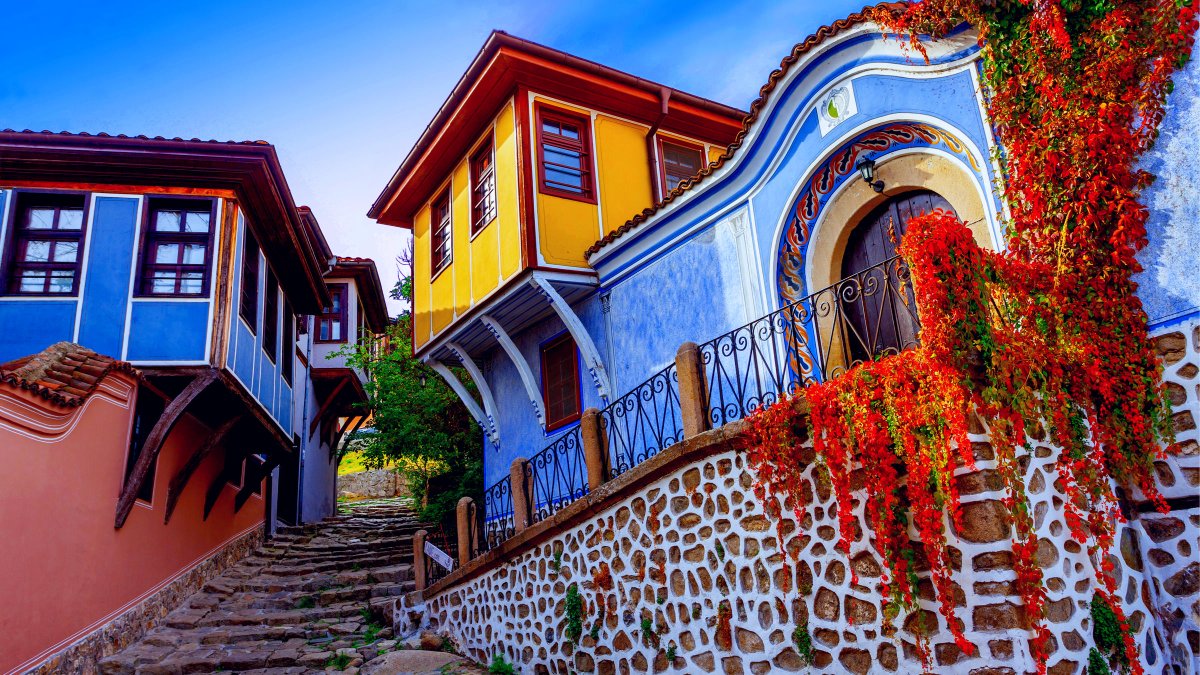
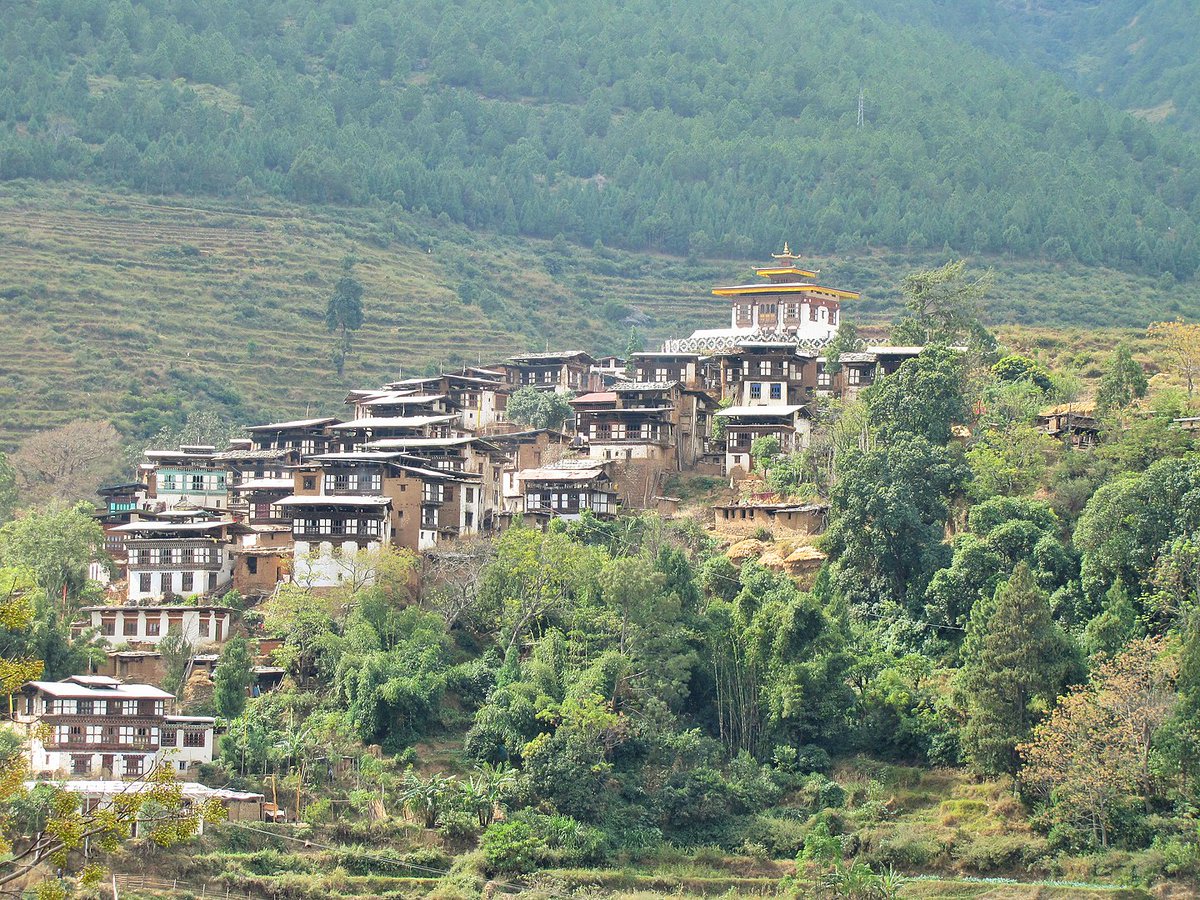
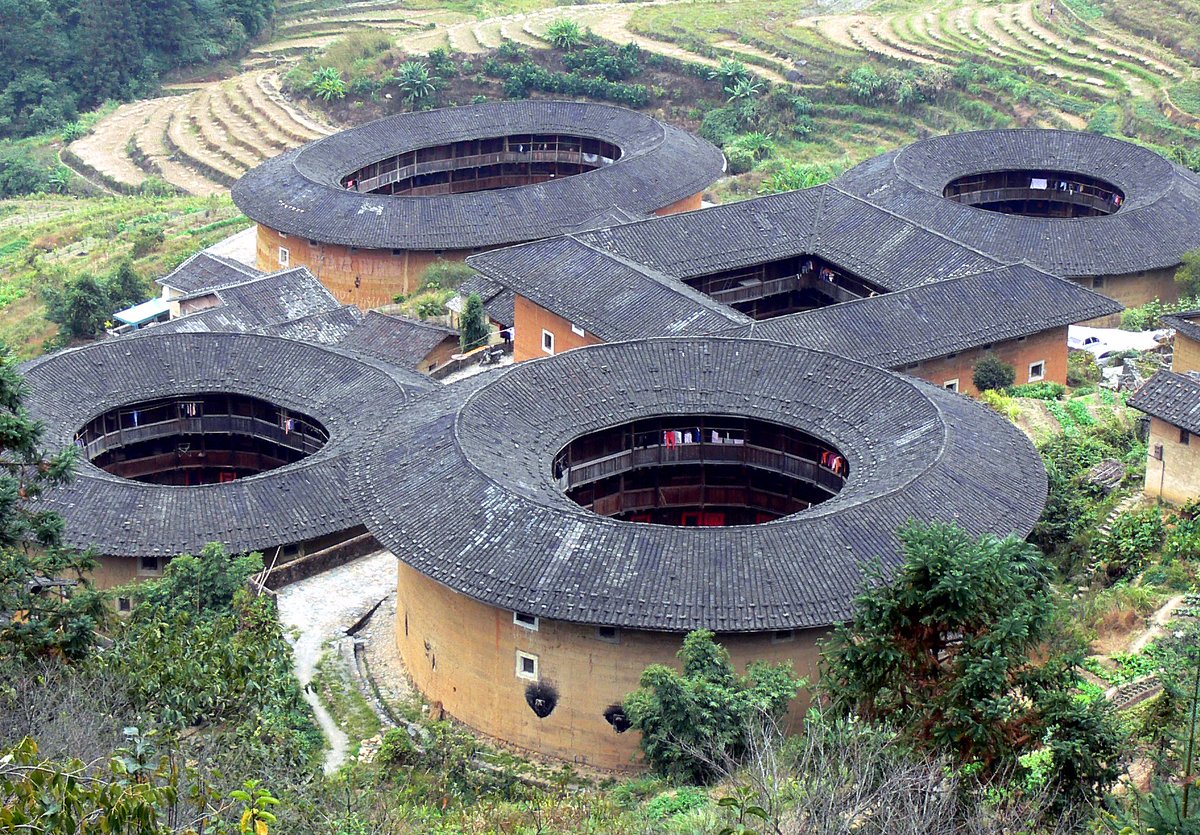
…things were built according to local needs and constraints and traditions, using locally available materials. 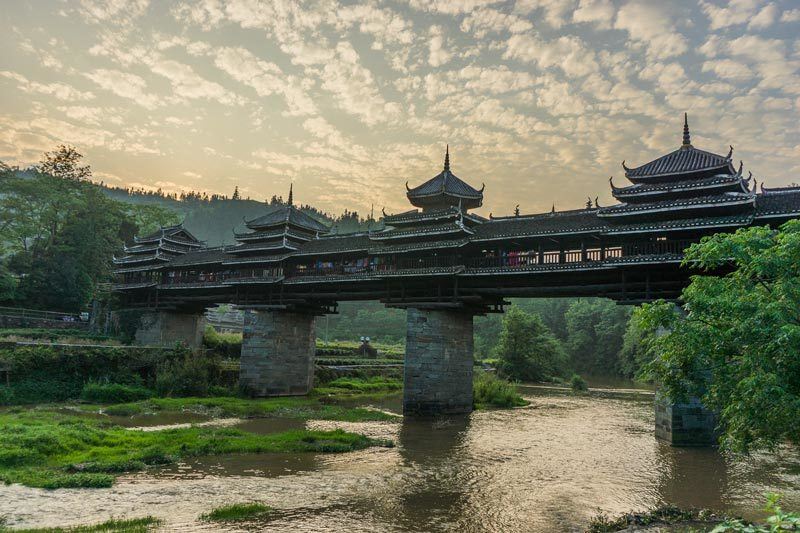
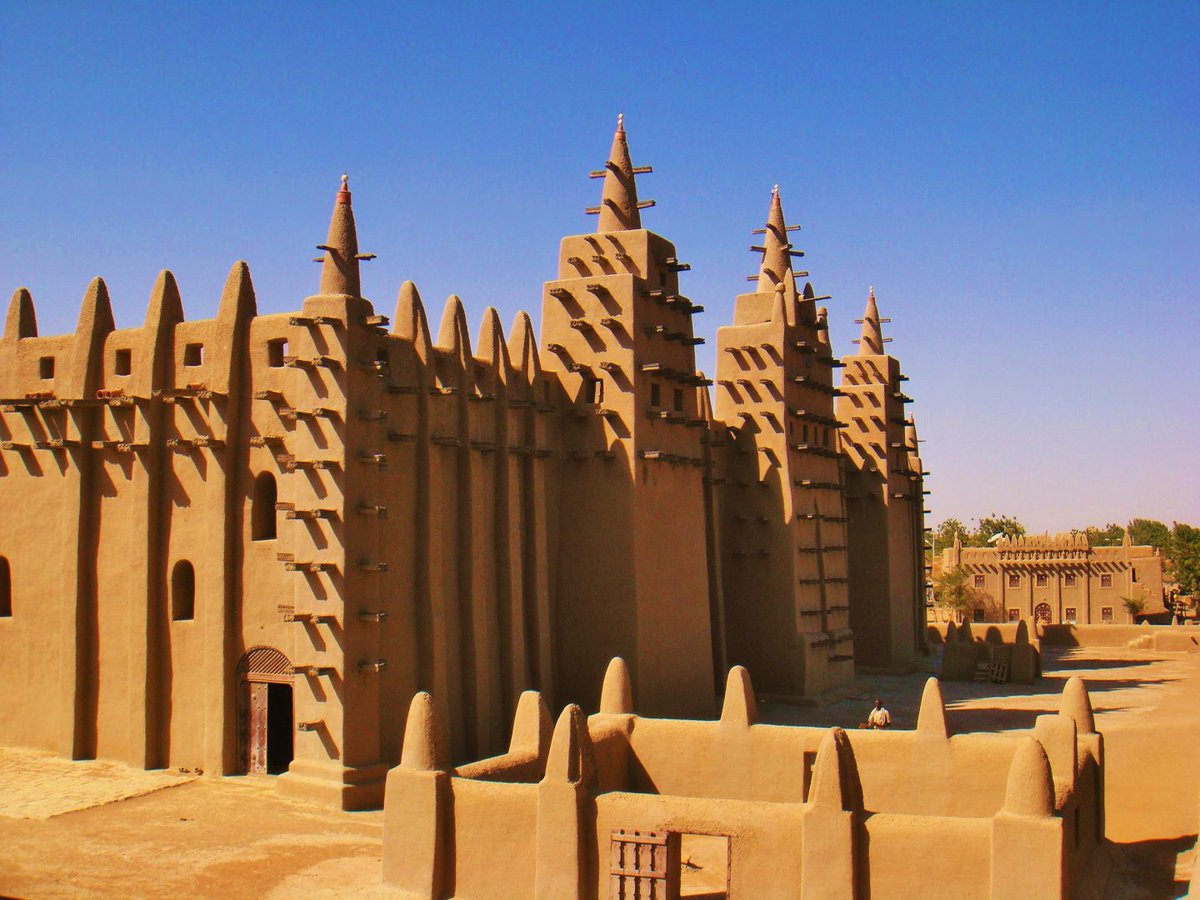
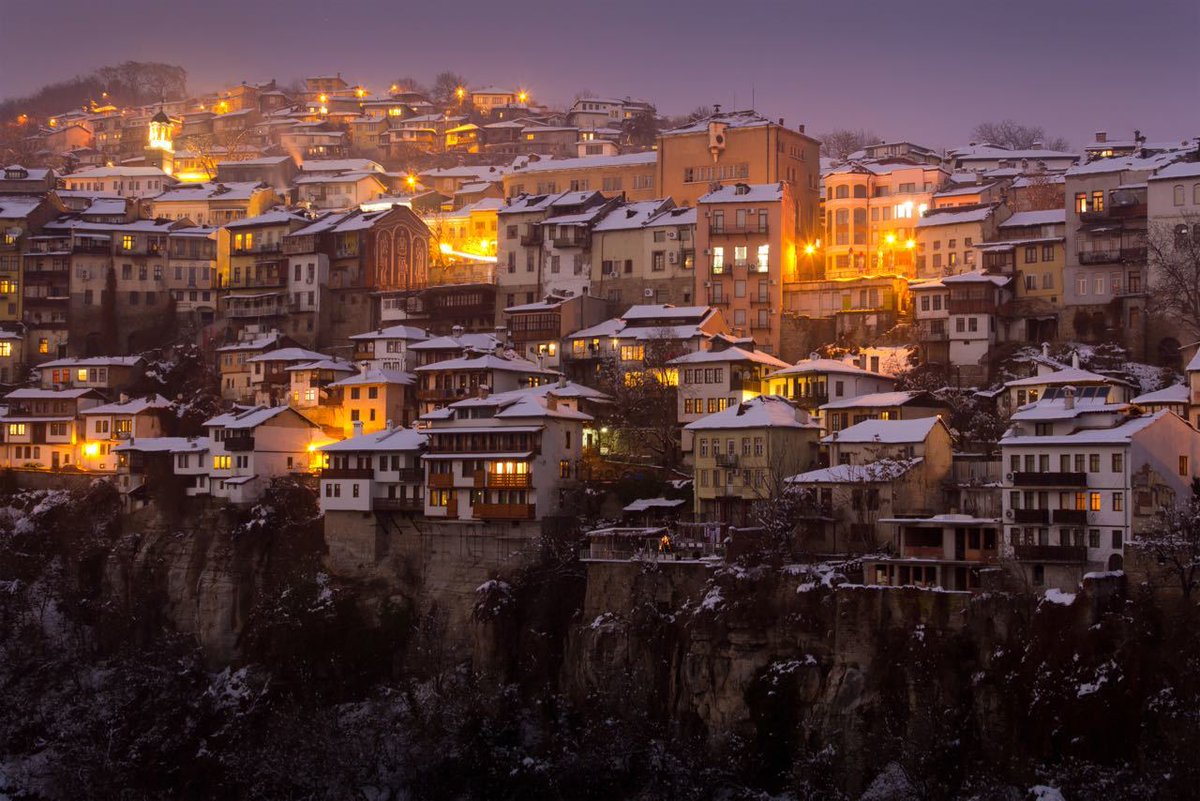
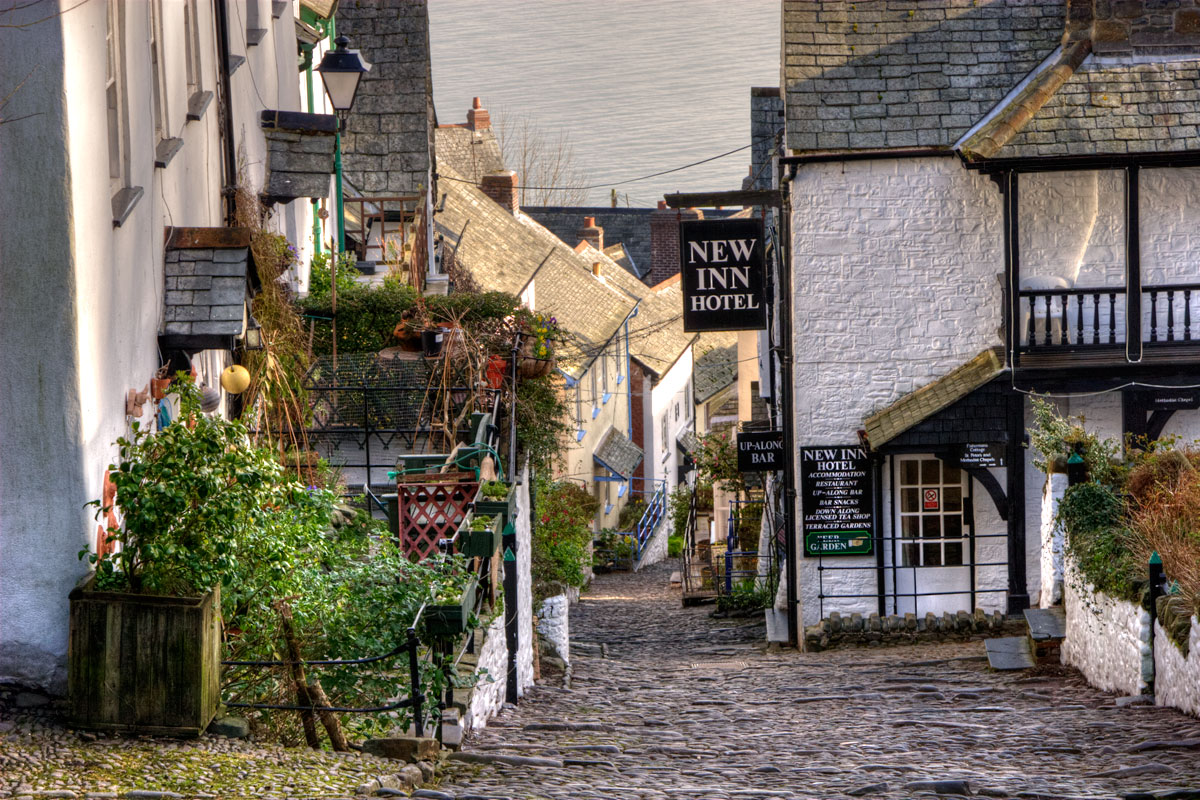
And it’s how most things were built for most of history, all around the world.
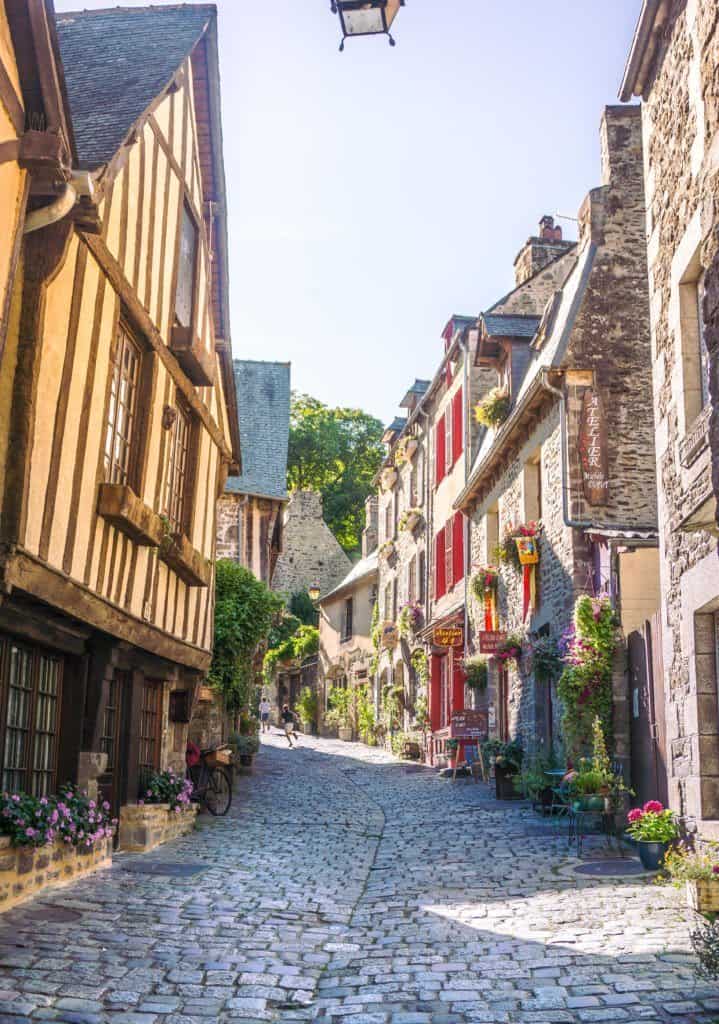
Whether Shibam in Yemen or Dinan in France, both were built without architects and engineers who were “professional” in the modern sense. 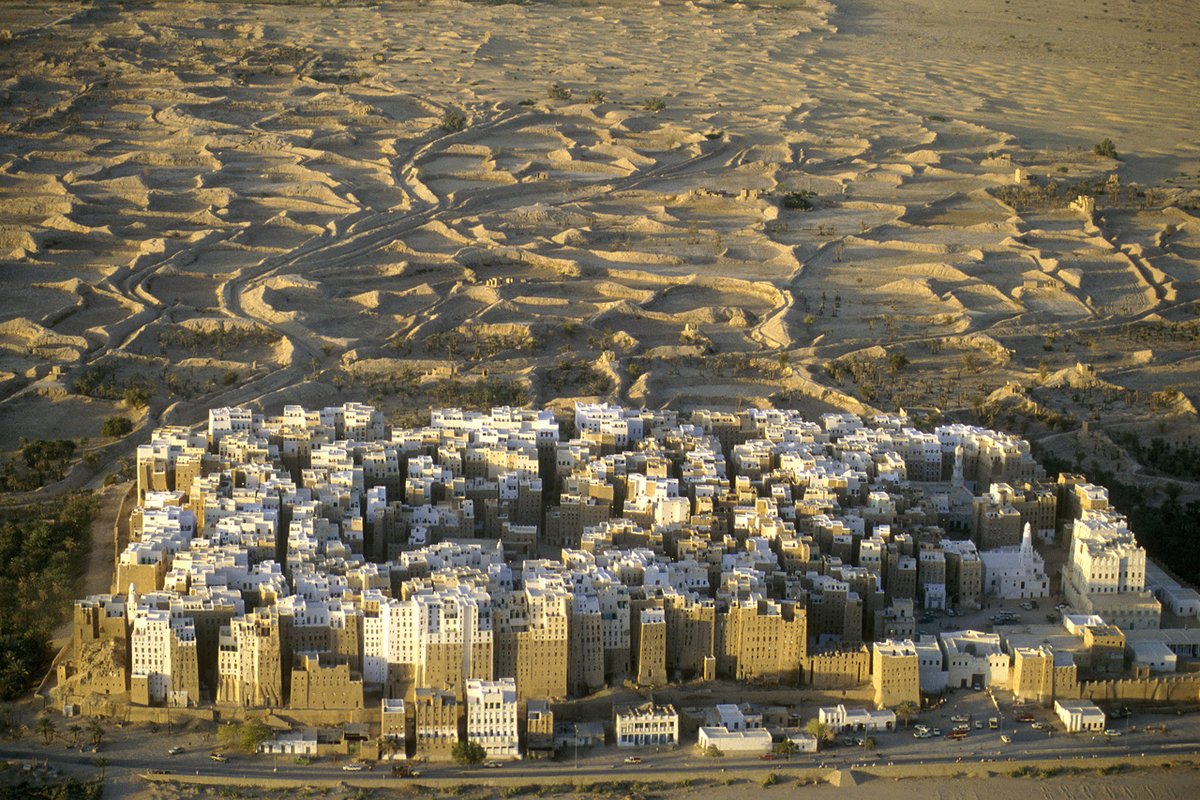
Such principles also underpin most modern construction, and yet cities around the world look more similar than ever. 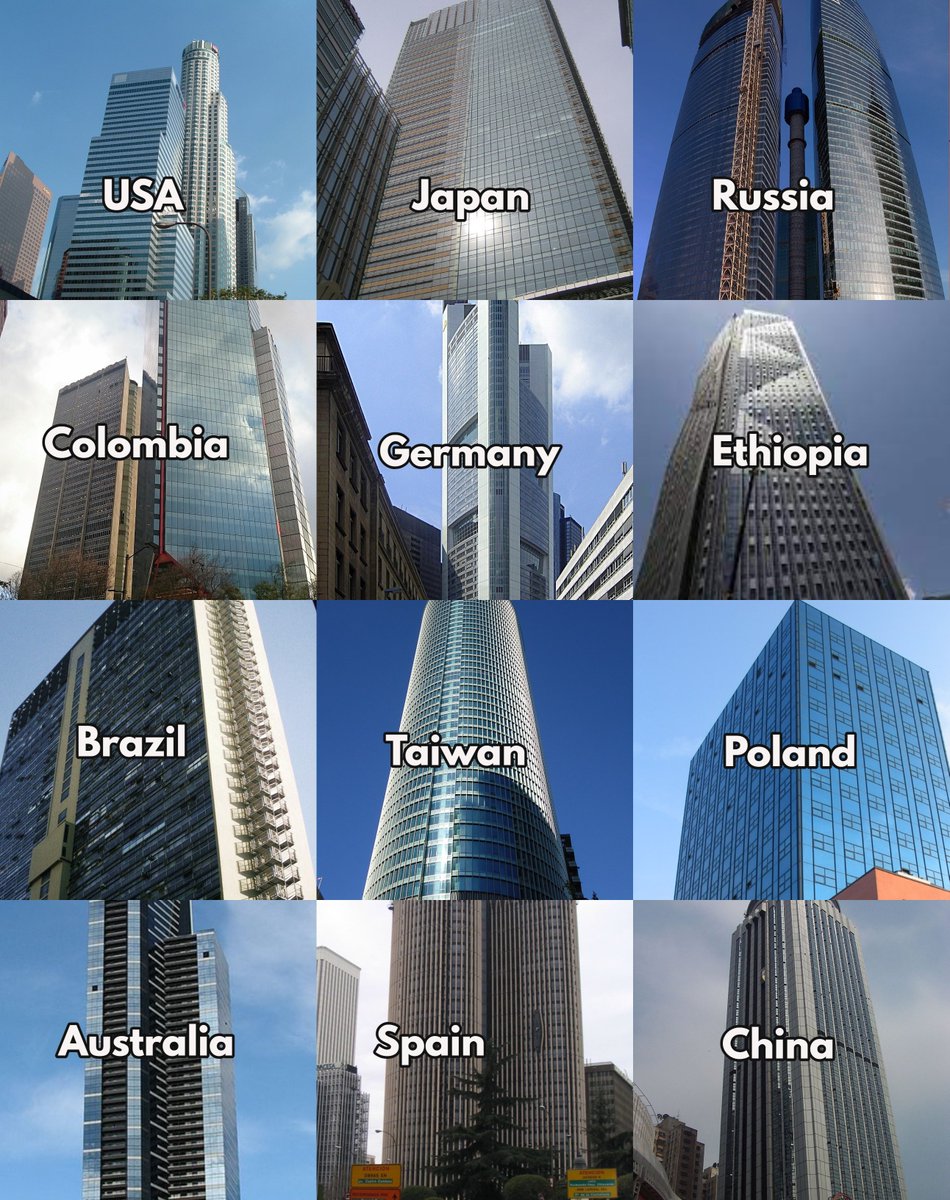
Whereas now steel and concrete and glass are globally available and ubiquitous construction materials, that wasn’t the case in the past. 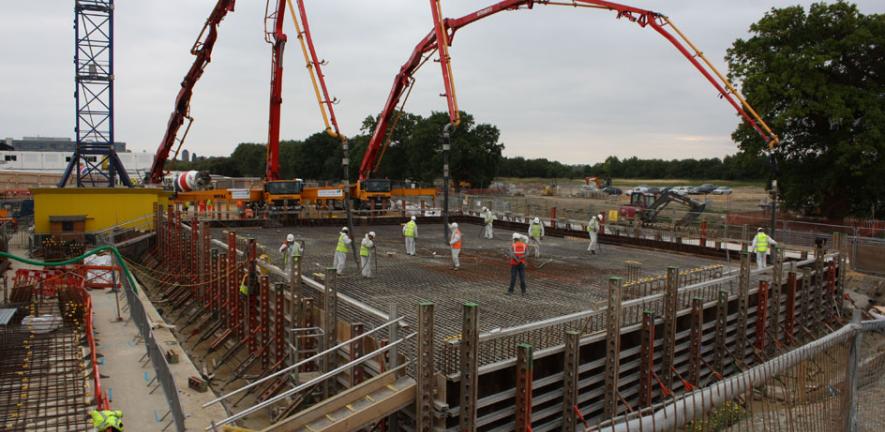
What was available as a construction material varied from region to region, hence a natural variety in regional architectures. 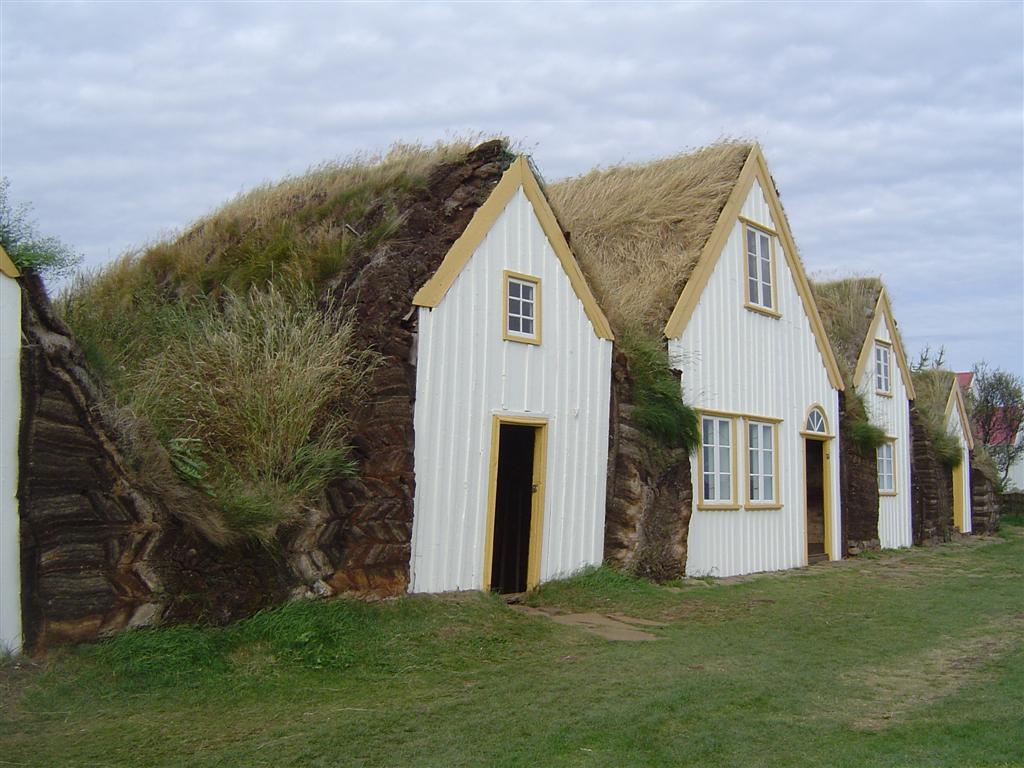
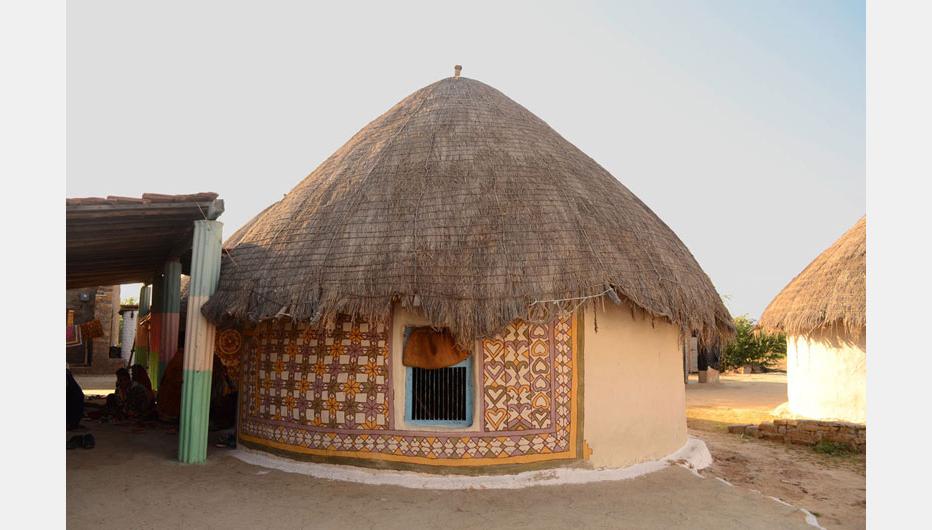
How the problem of needs versus resources was solved differed immensely from region to region, simply because they were less interconnected.
Each region and culture found its own way of doing things, according to local needs, traditions, and constraints.
Hence why you can (often) tell which region or country you’re in simply by its buildings. 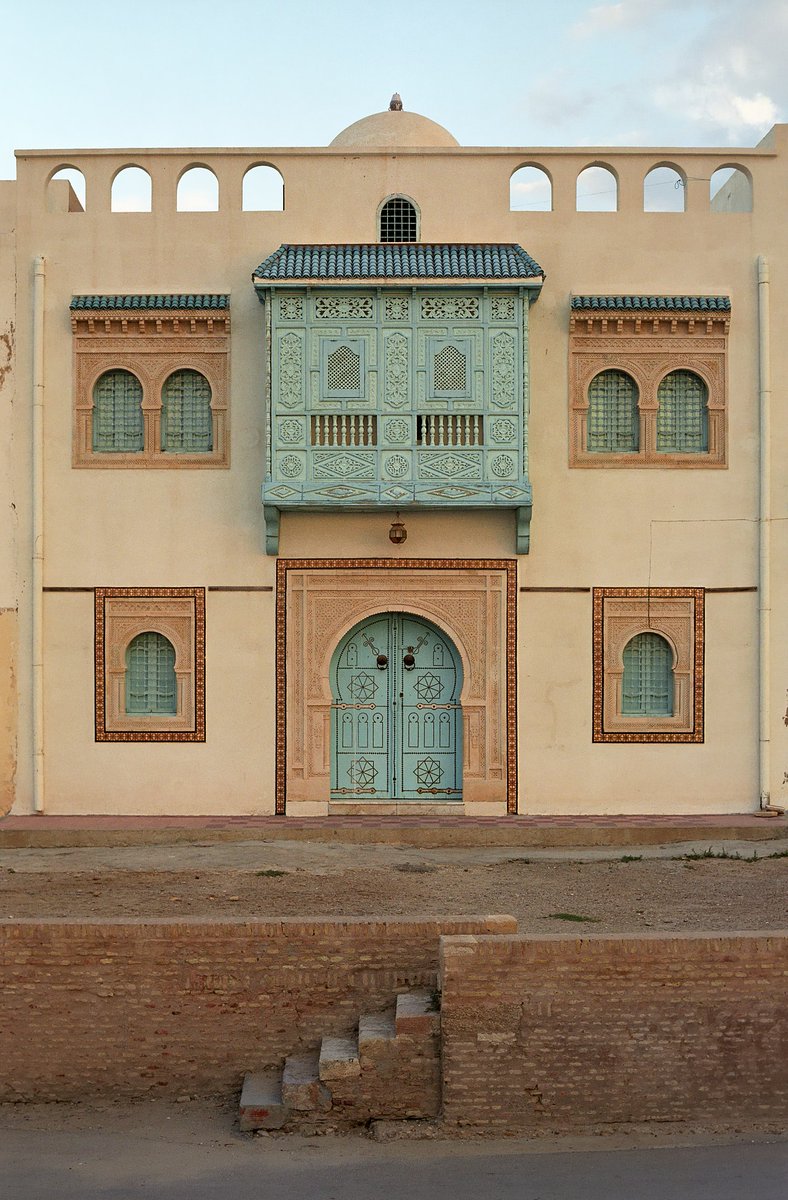
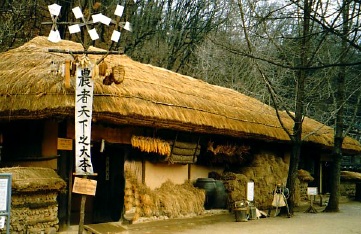
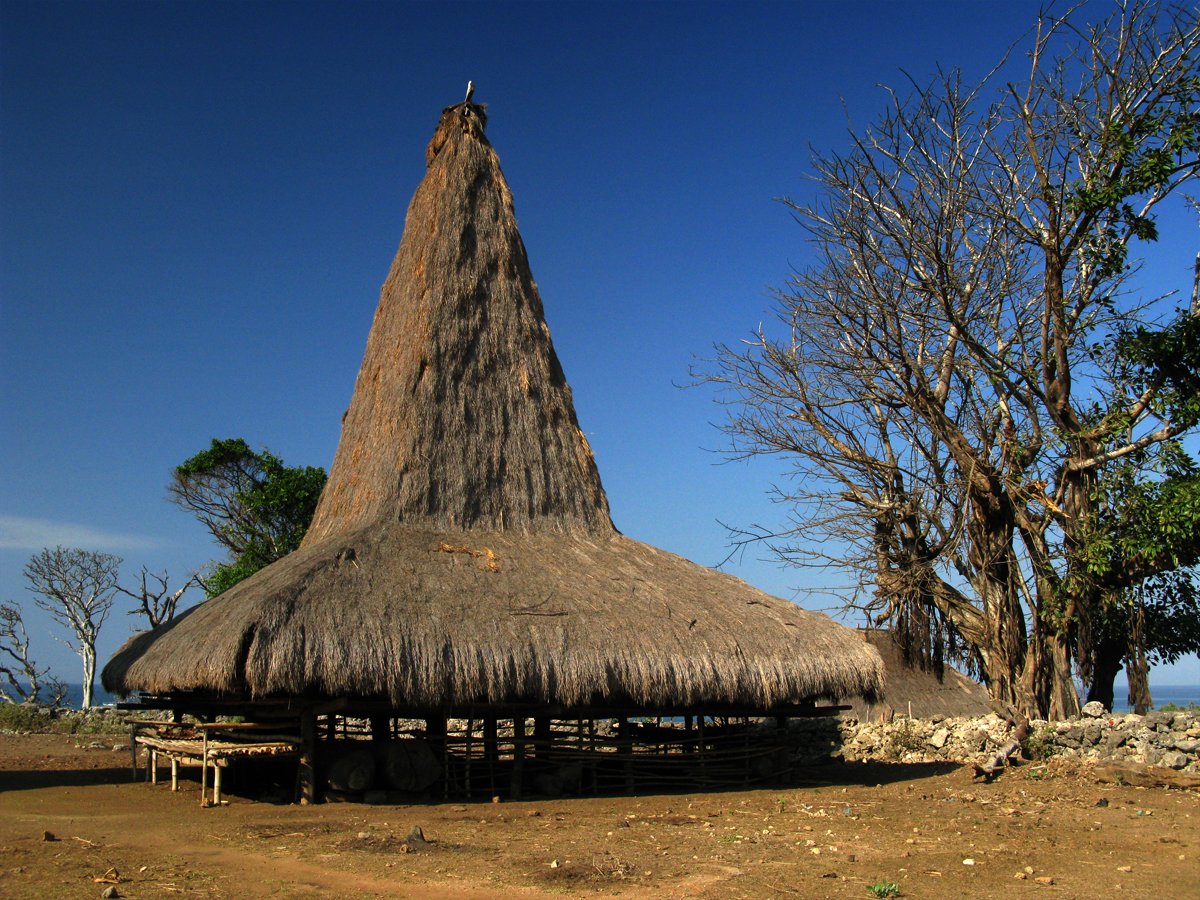
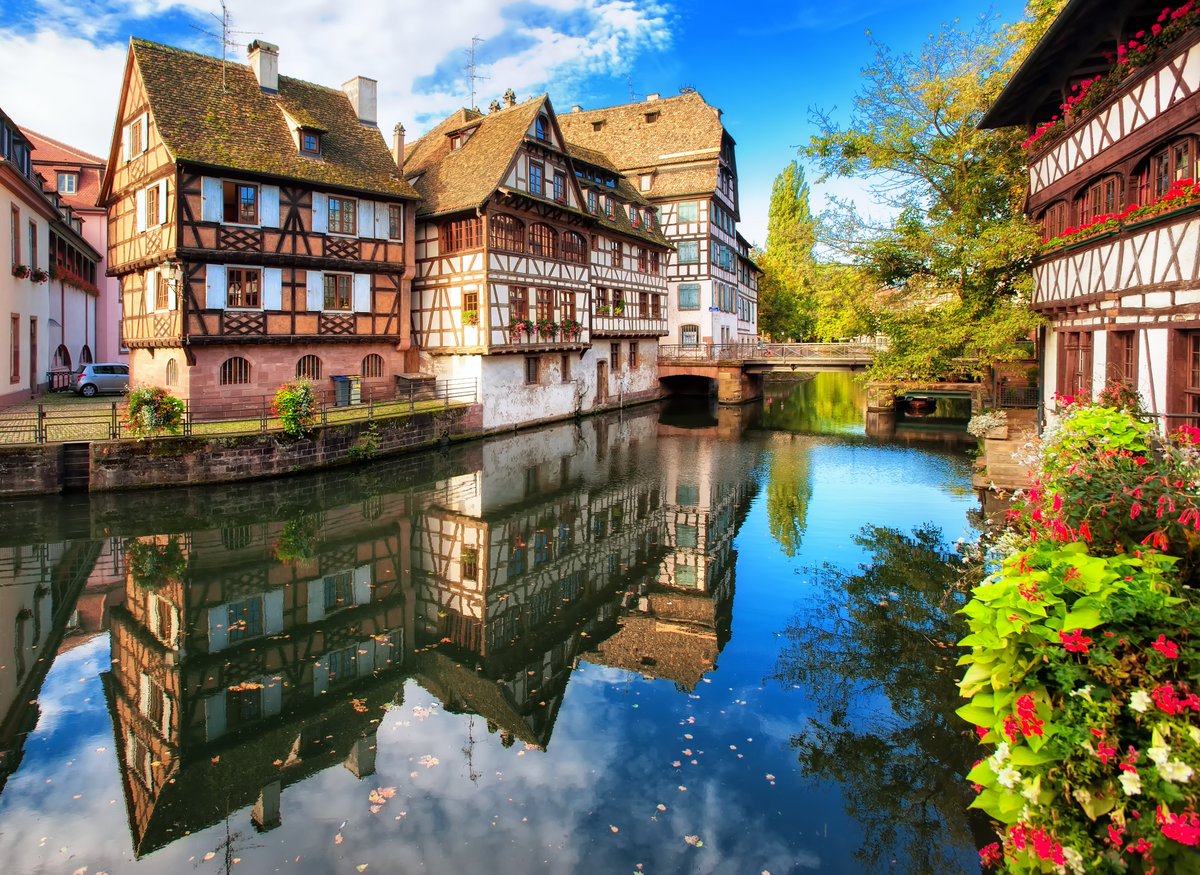
Another important factor is that there weren’t as many government-imposed restrictions on how houses should be built or towns should be planned.
People just got on with it…
When lots of people do lots of different things with relatively little oversight over the course of several decades or centuries, the result is a street layout like this. 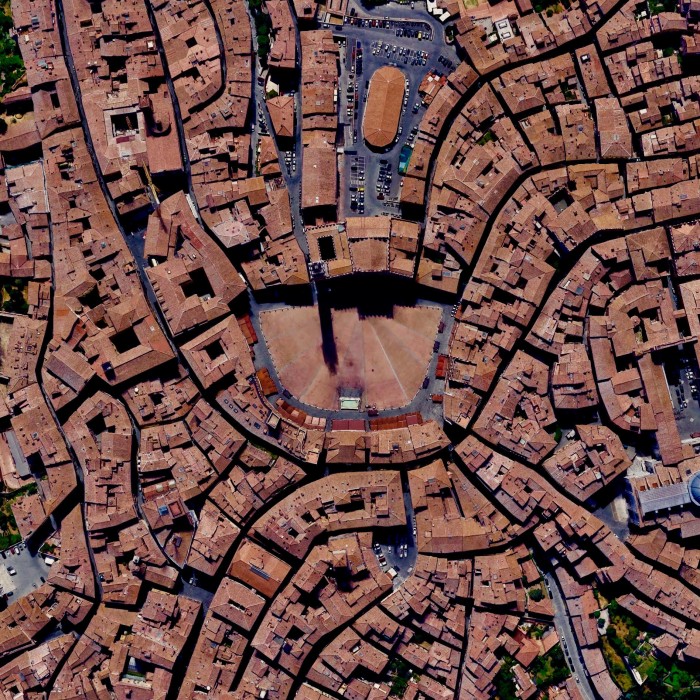
From Mesopotamia to China to Mesoamerica, cities have been laid out on grids since the start of human civilisation.
Regulations or town plans are not new. 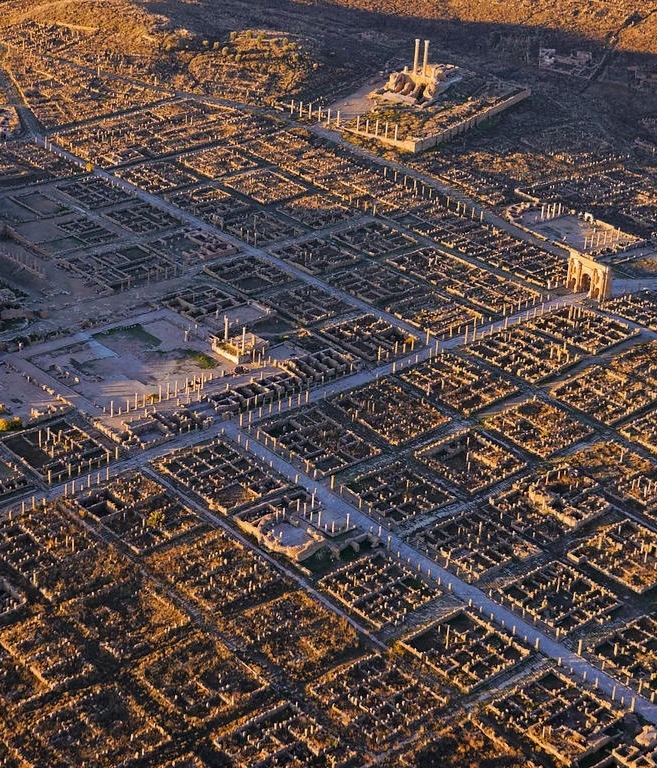
This might be “traditional” in some sense, but it isn’t really vernacular. 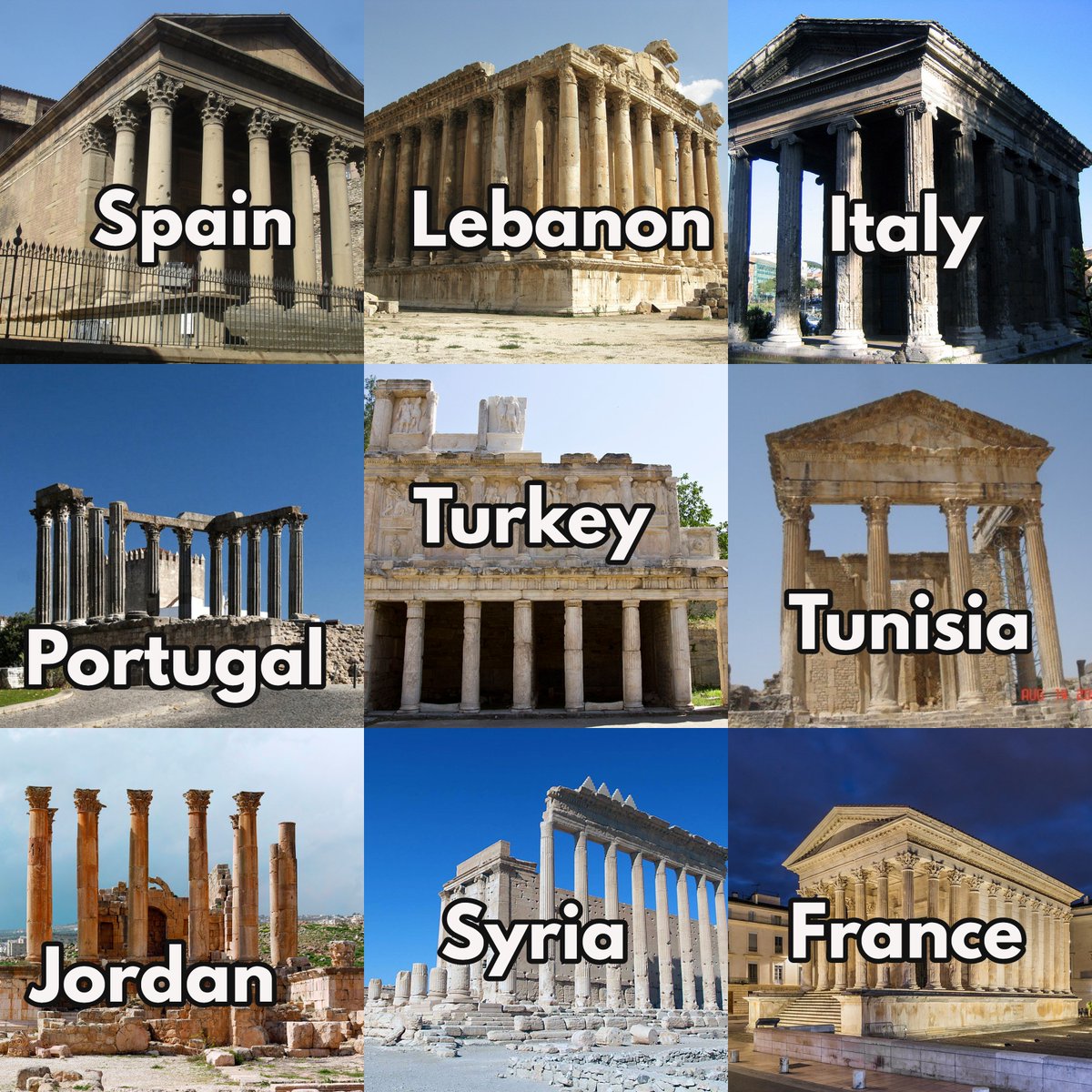
Vernacular, meanwhile, encourages variety and diversity — it’s more interesting. 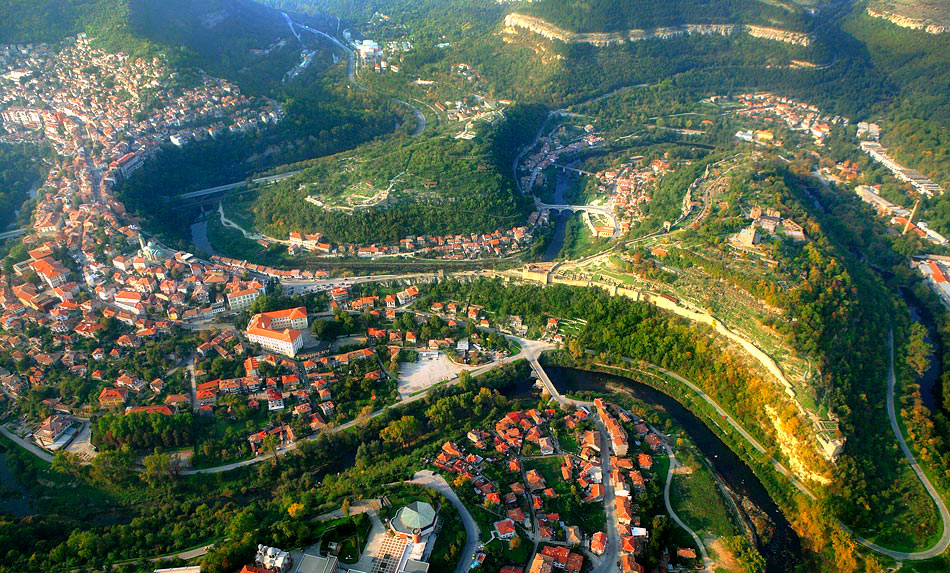
But, imposed too strictly, they mean it is now illegal to build something like France’s Mont Saint-Michel. 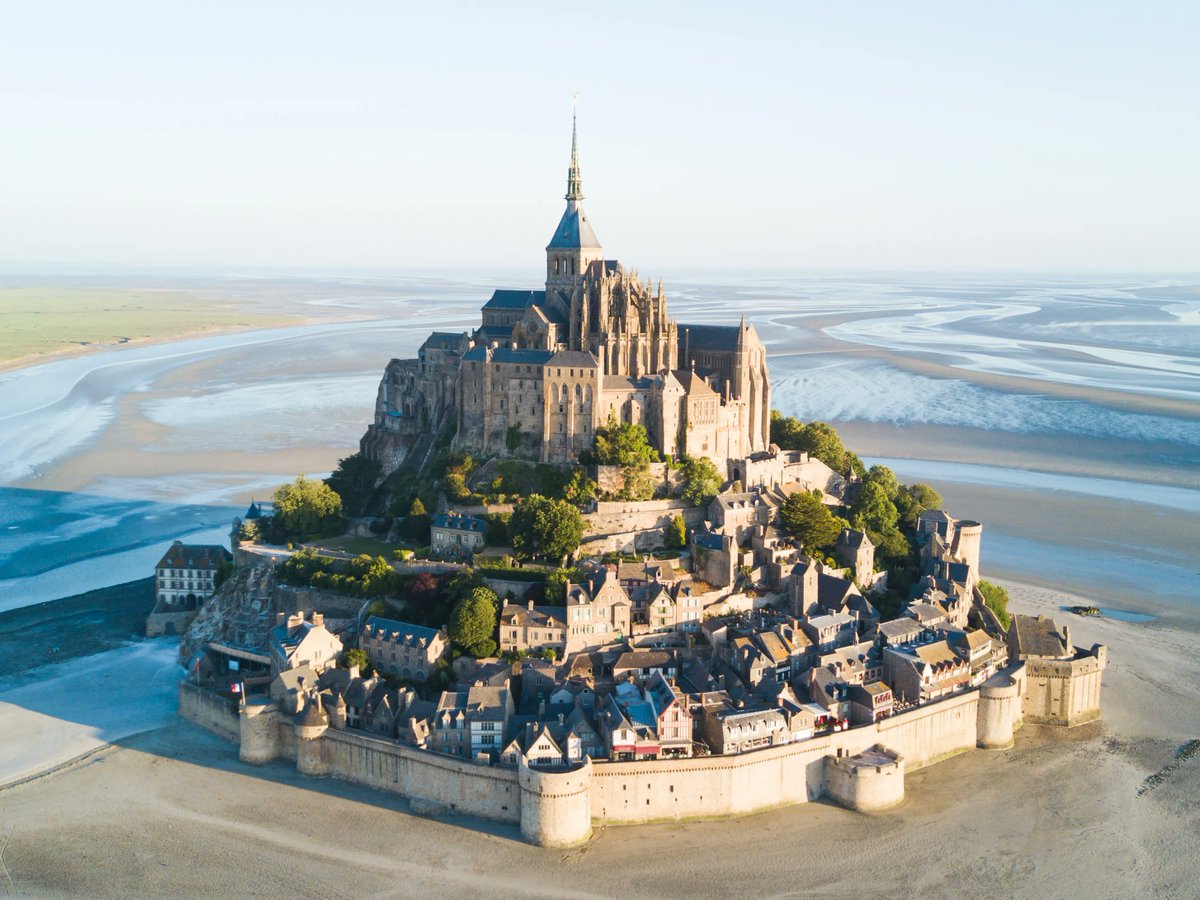
And it’s part of why we are so drawn to older places, and why tourists flock to every town with the slightest bit of history. 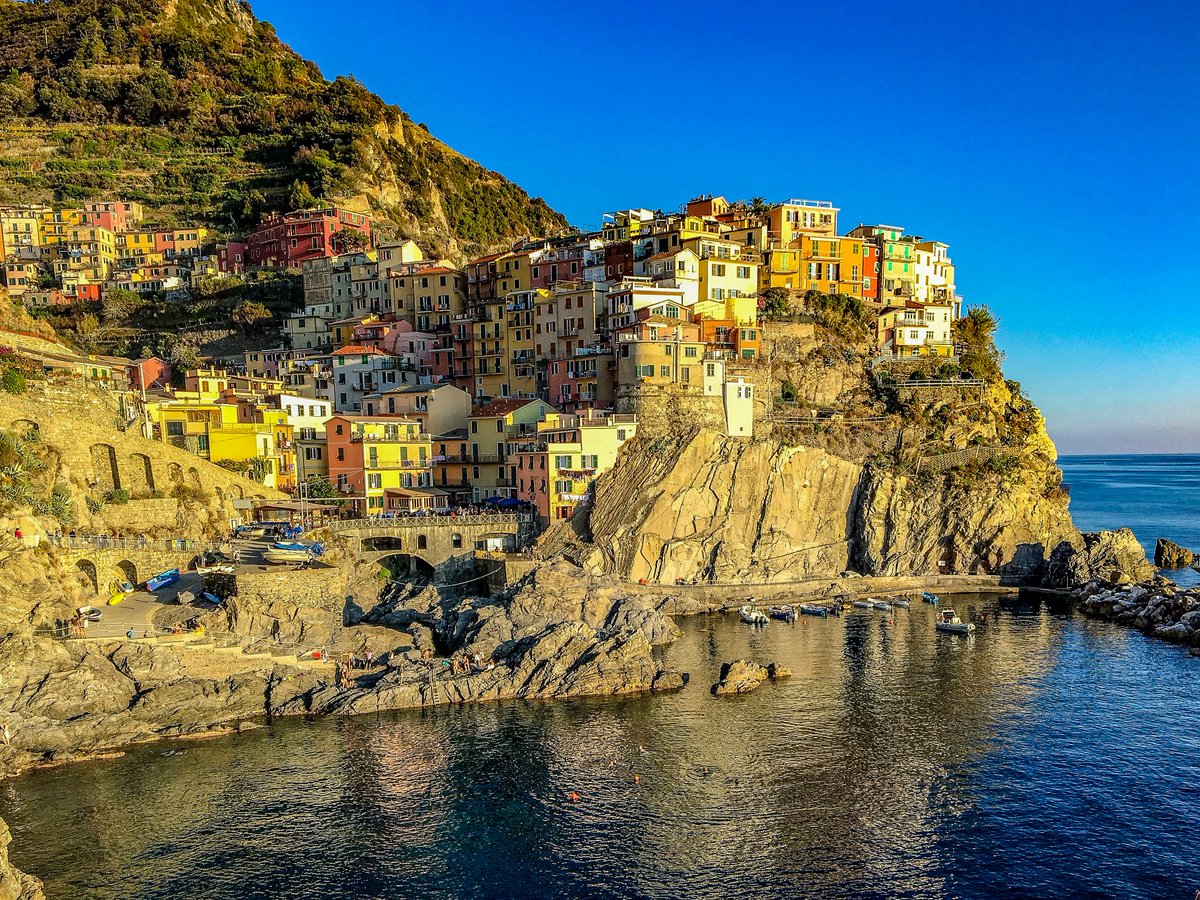
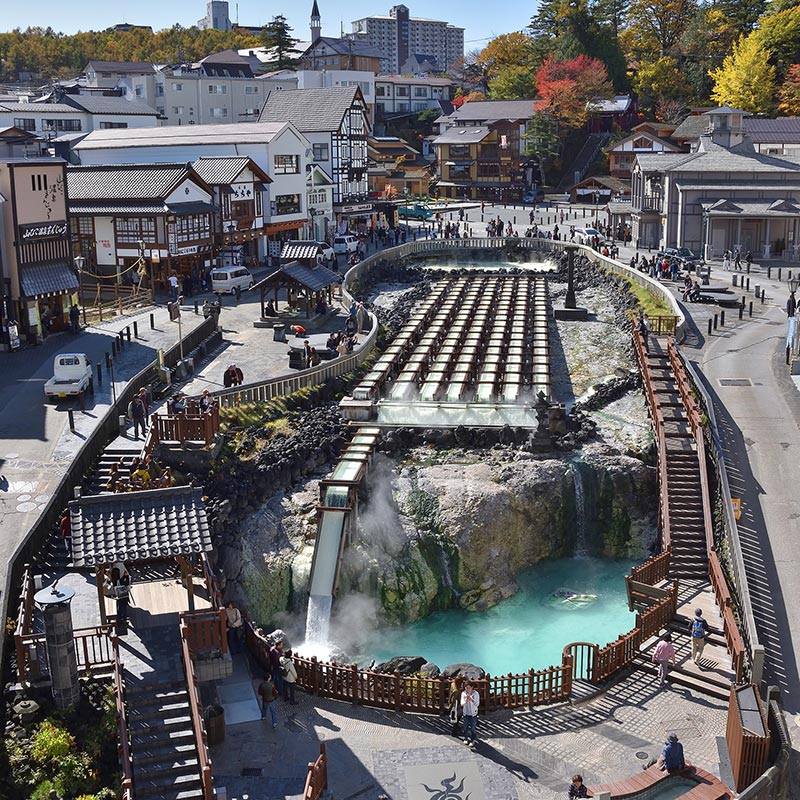
And, by virtue of being less planned, they are filled with personality, character, and charm. 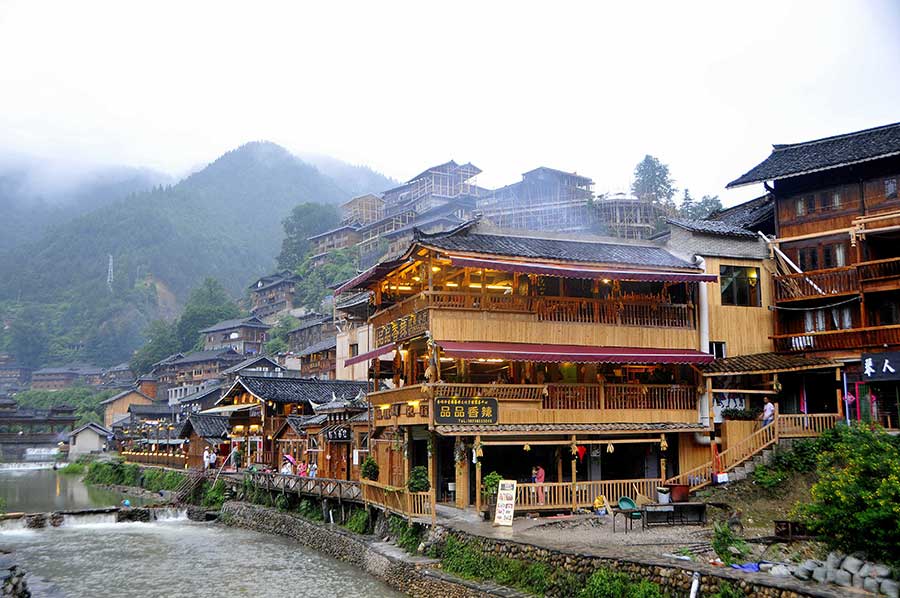
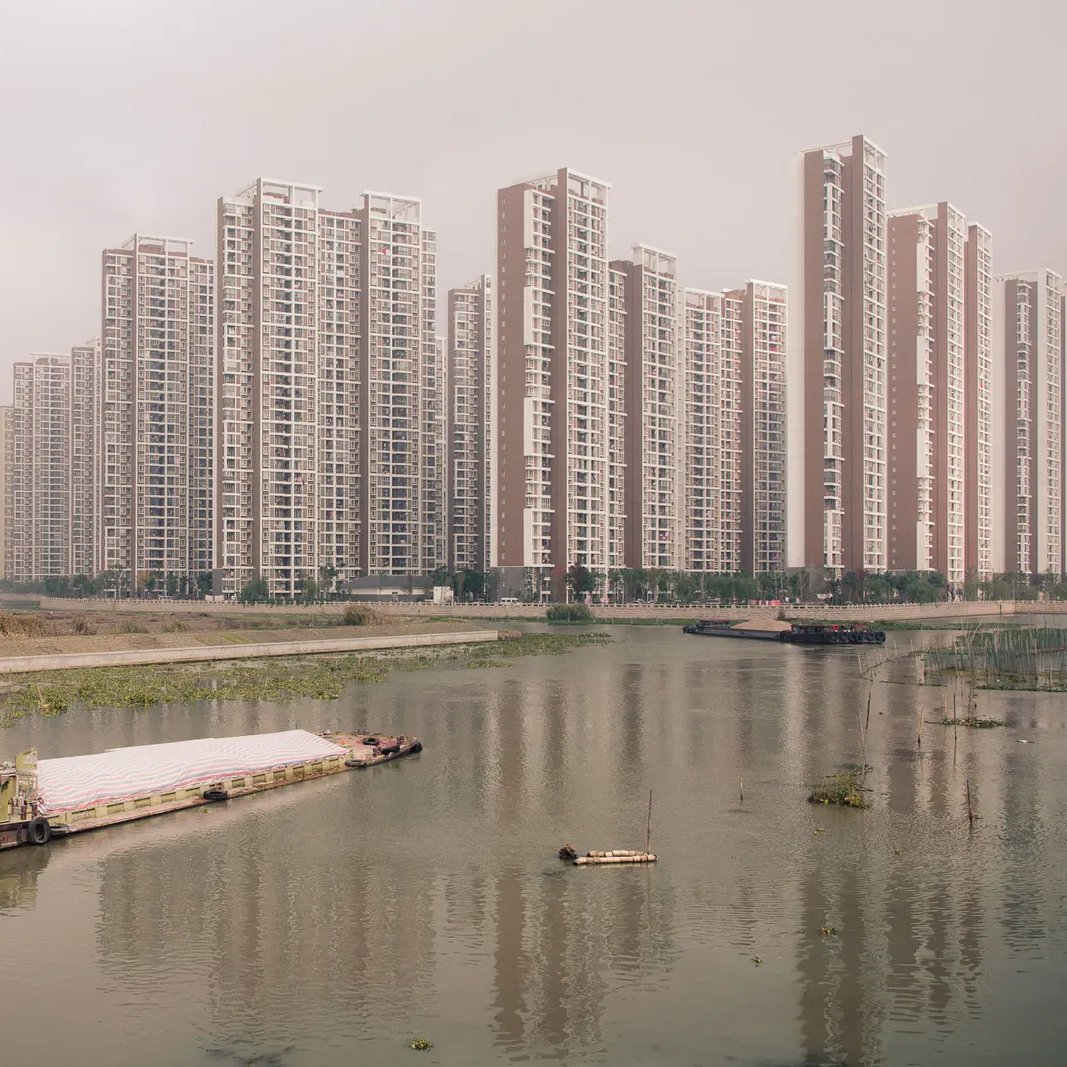
Such places are therefore often more suited to social integration and to community, to healthier and happier lifestyles, and all the other benefits of human-scale design. 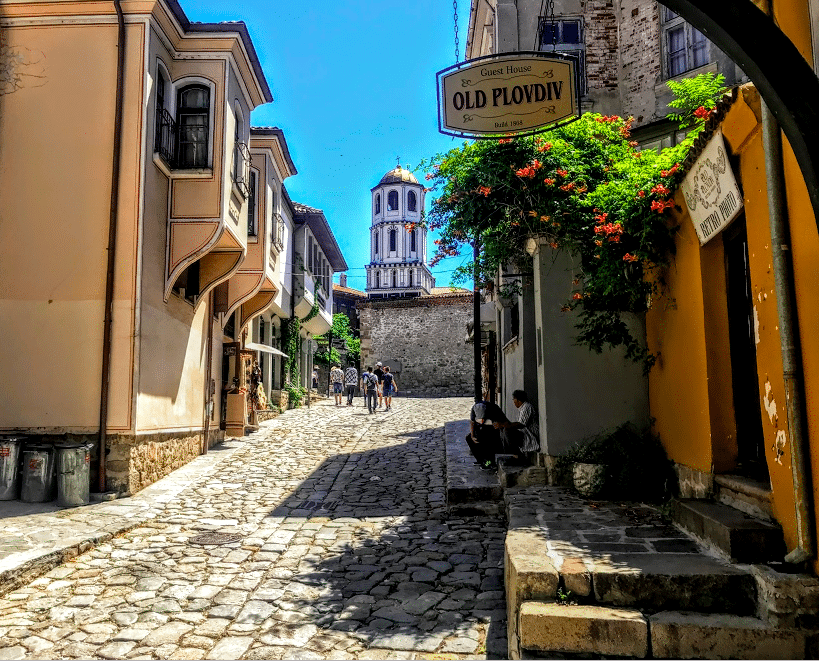
Long before climate control, people figured out how to make buildings cool in summer and warm in winter — and they did it by using local materials, rather than importing them. 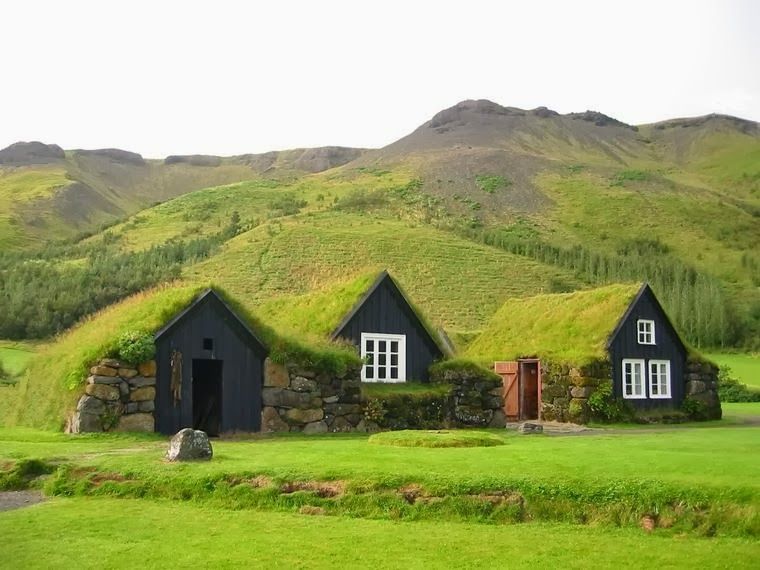
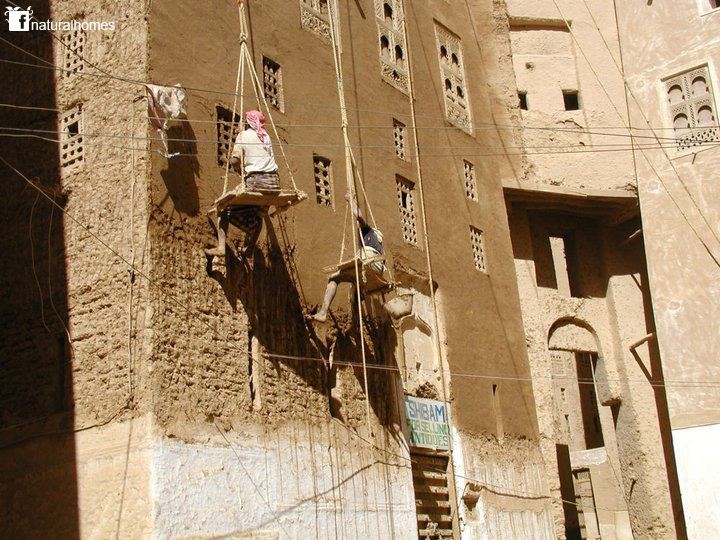
These are just some of the problems of modern urban design which the vernacular might help us solve.











 bleatmop
 Mystro


 Dead Wild Roses
4 comments
June 3, 2023 at 1:51 pm
Infidel753
Fascinating! I’ve always been struck by how the older-style towns in Europe and the Middle East glow with character in a way we hardly ever see here, neither in the big cities nor in our relentlessly uniform suburbia. Of course the mass-produced-looking high-rises in places like Russia and China (of which the fourth-to-last picture looks like an example) are even more soulless.
The pictures are great. I recognize the first one (Venice) but of course with most of them you can tell at least roughly where in the world it is.
LikeLiked by 1 person
June 3, 2023 at 7:06 pm
john zande
Can’t explain why, but I’ve always loved the idea of a living grass roof.
Years ago I travelled through India, and the division there (old city/new city) is so pronounced.
LikeLiked by 1 person
June 5, 2023 at 2:04 pm
The Arbourist
I’d be worried about structure. Soil and plants get quite heavy when wet.
LikeLike
June 5, 2023 at 2:06 pm
john zande
Yeah, but soooo cosy!
LikeLiked by 1 person