
The situation of women in Afghanistan has been a topic of international concern for decades, with significant fluctuations in their rights and freedoms depending on the political climate. Since the Taliban regained control of the country in August 2021, there has been a marked deterioration in the state of women’s rights, boundaries, and freedoms. This essay explores the current state of women in Afghanistan under Taliban rule, examining the historical context, the specific restrictions imposed, and the profound impact these policies have on women’s lives. Through a combination of current stories and scholarly references, this essay aims to provide a comprehensive overview of the challenges faced by Afghan women today.
Historically, women’s rights in Afghanistan have seen periods of progress and regression. During the 1960s and 1970s, Afghan women enjoyed relative freedom, with access to education and employment opportunities. However, the first Taliban regime from 1996 to 2001 imposed severe restrictions, banning women from education and public life. After the Taliban’s ousting in 2001, significant strides were made, with women participating in politics, education, and the workforce. According to a report by the World Bank, female school enrollment increased from 0% under the Taliban to over 3.6 million by 2018 (World Bank, 2020). However, the Taliban’s return in 2021 has reversed much of this progress, reinstating draconian policies that severely limit women’s rights and freedoms.
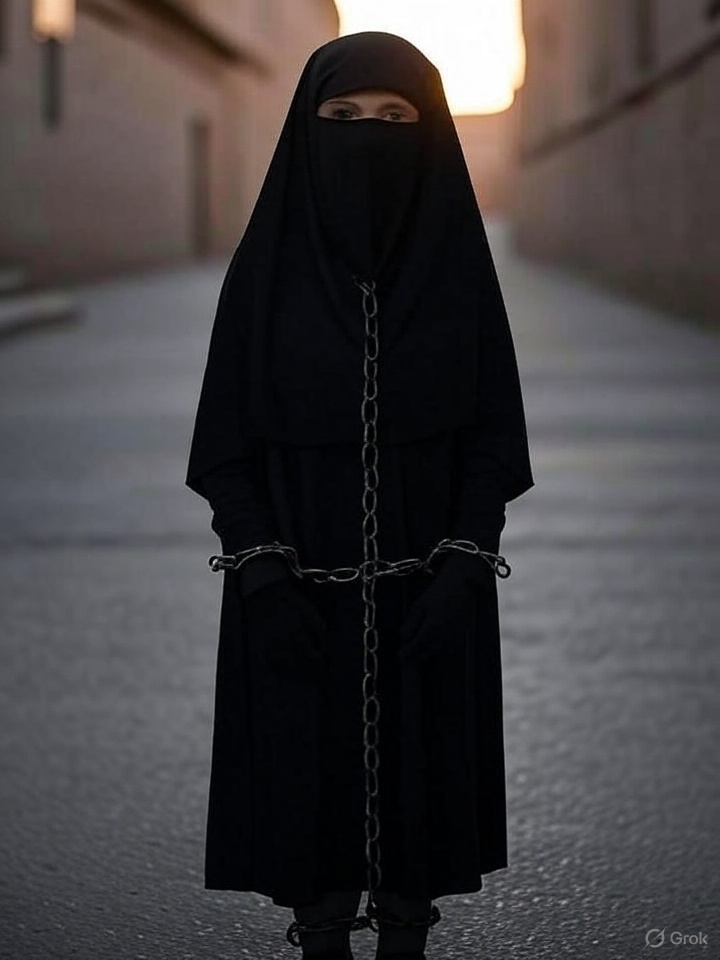
Under the current Taliban regime, women in Afghanistan face numerous restrictions that curtail their basic rights and freedoms. One of the most significant is the ban on secondary education for girls, which has been in place since September 2021. According to a report by the United Nations, this ban affects over 1 million girls (UN, 2023). Additionally, women are barred from most forms of employment, except in specific sectors like healthcare and primary education. The Taliban have also imposed strict dress codes and restrictions on women’s movement, requiring them to be accompanied by a male guardian in public. These policies are enforced through the Ministry for the Propagation of Virtue and the Prevention of Vice, which has been known to use violence and intimidation to ensure compliance (BBC, 2023).
The restrictions imposed by the Taliban have had a profound impact on the lives of Afghan women, affecting their economic stability, social status, and mental health. Economically, the ban on employment has led to increased poverty, as many women were the primary breadwinners for their families. A study by the International Rescue Committee found that 97% of Afghan households are now living below the poverty line, with women-headed households being particularly vulnerable (IRC, 2023). Socially, the restrictions have isolated women, limiting their ability to participate in community life and access support networks. Psychologically, the constant fear and oppression have led to a rise in mental health issues. According to a report by Médecins Sans Frontières, there has been a significant increase in cases of depression and anxiety among women in Afghanistan since the Taliban takeover (MSF, 2023). Personal stories, such as that of Fatima, a former teacher who now struggles to provide for her family, highlight the human cost of these policies (Al Jazeera, 2023).
The state of women in Afghanistan under the Taliban regime is dire, with severe restrictions on their rights, boundaries, and freedoms. The historical progress made in women’s rights has been largely undone, and the current policies have devastating effects on women’s economic, social, and psychological well-being. The international community has condemned these actions, but more needs to be done to support Afghan women and pressure the Taliban to change their policies. Potential solutions include targeted sanctions, support for underground education initiatives, and amplification of Afghan women’s voices on the global stage. Addressing the situation in Afghanistan is not only a matter of human rights but also a crucial step towards stability and peace in the region.
References
- World Bank. (2020). Afghanistan Development Update. https://www.worldbank.org/en/country/afghanistan/publication/afghanistan-development-update-july-2020
- United Nations. (2023). Situation of Women and Girls in Afghanistan. https://www.un.org/en/situation-in-afghanistan
- BBC. (2023). Taliban Enforce Strict Rules on Women. https://www.bbc.com/news/world-asia-12345678
- International Rescue Committee. (2023). Afghanistan Crisis Report. https://www.rescue.org/report/afghanistan-crisis
- Médecins Sans Frontières. (2023). Mental Health in Afghanistan. https://www.msf.org/afghanistan
- Al Jazeera. (2023). The Plight of Afghan Women Under Taliban Rule. https://www.aljazeera.com/news/2023/1/1/afghan-women-under-taliban-rule











 bleatmop
 Mystro


 Dead Wild Roses
2 comments
June 24, 2025 at 7:30 am
Sumi
We all know our government doesn’t care about women’s rights at all. If they did, they wouldn’t be treating Canadian women worse than prisoners of war. Under the Geneva Conventions that our military applied in Afghanistan, female prisoners are entitled to same-sex prisons, a dignity not afforded to our own domestic prisoners.
Afghanistan has returned to pre-9/11 conditions. 158 of our soldiers lost their lives and another 2,000 were wounded. We have absolutely nothing to show for some $18 billion spent. Time to stop meddling in the affairs of countries half a world away.
LikeLike
June 24, 2025 at 8:26 am
tildeb
In Canada, we welcome, accept, and ‘celebrate’ burka-clad possessions taking up residency. And it is a much deeper crime to criticize this demotion of women into owned things than it is to actively turn women into owned things. One doesn’t need to go to Afghanistan to see this moral inversion called ‘progressive’ take place; you can condemn it only when you identify the same travesty elsewhere.
Hint: when one identifies accepted hypocrisy in policy and action, look for the ideology driving it because it will have nothing whatsoever to do with being ‘kind’, nothing to do with being a supporter of human rights and freedoms, nothing to do with what’s true, and everything to do about undermining liberal democracy and the values of individual worth it represents.
It wasn’t ‘wrong’ to go into Afghanistan and try to overthrow the Taliban; it was wrong to stop short of tearing down a rotten social infrastructure and pretend its religious underpinnings could be tolerated in the public square and policy. Islamism is anti-western, anti-female, anti-democratic, and fully totalitarian worthy of exactly zero respect and deserving of strong intolerance.
LikeLiked by 1 person