
You are currently browsing the monthly archive for January 2025.
If there was such a thing as a “female brain trapped in a male body” that demographic group would exhibit a criminal offending pattern consistent with that of women rather than men.
We’ve had data since 2011 showing that men who have their genitals surgically removed and take cross-sex hormones continue to exhibit the same criminal offending pattern as all other men.
Humans cannot change sex and no human was ever born “trapped in the wrong body.”
Assuming we don’t have empathy for them is decidedly uncharitable.
Where is that young woman’s empathy for women and little girls who don’t deserve to be subject to sex crimes in female spaces?
Voyeurism is illegal for good reason and nobody can legalize it or make sexual consent decisions on anybody else’s behalf about who is allowed to see us naked.

“I Investigated the UK’s Most CENSORIOUS Campus (4K)” delves into the atmosphere of one of the UK’s universities known for its restrictive policies on free speech. The video, by journalist Andrew Gold, investigates how this institution has become a focal point for debates on censorship, examining incidents where speakers have been banned or events canceled due to their potentially controversial content.
It discusses the tension between ensuring a safe space for all students and the traditional university ethos of open debate and inquiry, highlighting specific cases where academic freedom has been challenged by student activism or university policies.
The narrative captures both the perspectives of those advocating for more censorship to protect vulnerable groups and those who see it as an erosion of free expression.
I think we all need a plan for organizing how we live life. I’m completely down with Stoicism. Have a Happy New Year Everyone!
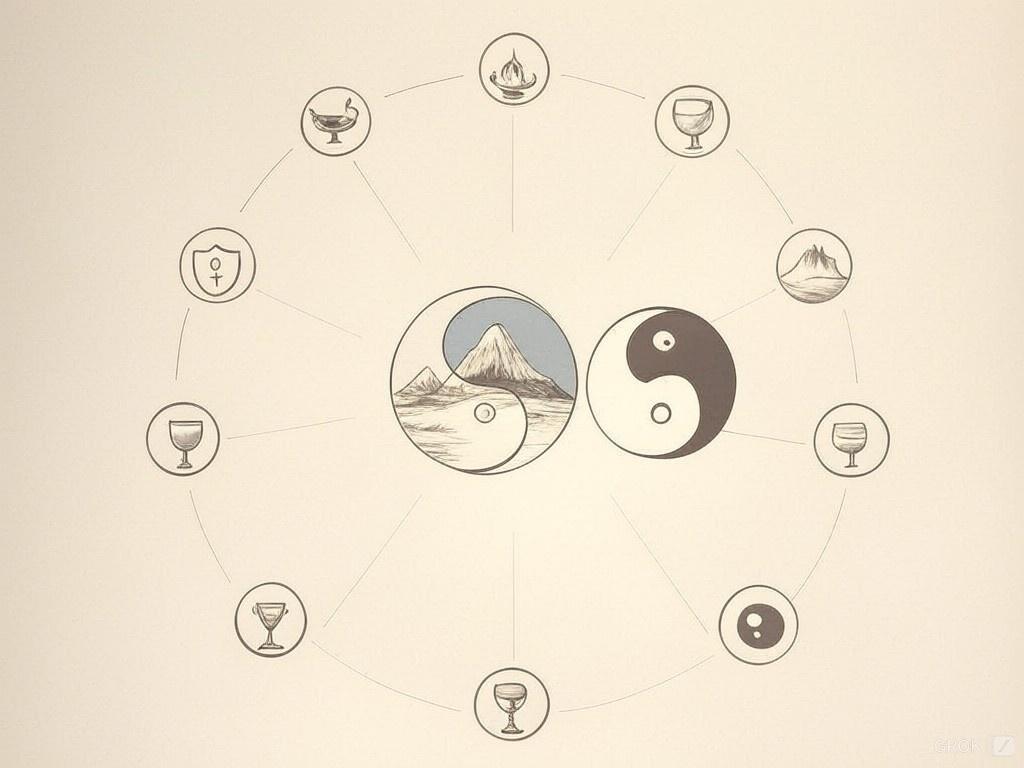
The Stoic philosophy, originating from ancient Greece, emphasizes living in accordance with nature and reason. Here are seven key values or principles central to Stoicism:
Wisdom (Sophia): Stoics place a high value on wisdom, which includes understanding the nature of the world, ourselves, and the rational principles governing life. Wisdom helps in making sound judgments and living virtuously.
Courage (Andreia): This involves moral and physical courage to face dangers, difficulties, and uncertainties with fortitude. Stoicism teaches to confront fears and to act despite them, not to be reckless but to be brave in pursuit of what is right.
Justice (Dikaiosyne): Stoics believe in treating everyone with fairness and respect, living in accordance with societal laws and ethical norms. Justice here extends to all human interactions, advocating for equality, honesty, and integrity.
Temperance (Sophrosyne): Also known as self-control or moderation, this value encourages restraint in desires and appetites. It’s about achieving balance in life, avoiding excess, and maintaining discipline over one’s actions.
Acceptance of Fate (Amor Fati): Stoics advocate for loving or at least accepting one’s fate, understanding that some things are beyond our control. This acceptance helps in living without resentment or frustration over what cannot be changed.
Living in Accordance with Nature (Homologia tei Phusei): This principle suggests living in harmony with the natural world and human nature, which includes rational behavior. It’s about recognizing and fulfilling one’s role in the cosmos.
Mindfulness and Reflection (Prosoche): Stoicism encourages constant awareness of one’s thoughts and actions, often through daily reflection or meditation. This mindfulness helps in aligning one’s life with Stoic virtues and in making ongoing improvements to character.
These values guide Stoics towards a life of virtue, which they consider the only true good, and help in achieving inner tranquility (apatheia) and a life of purpose. Remember, Stoicism isn’t just about enduring hardship but about thriving through wisdom, courage, justice, and temperance.











 bleatmop
 Mystro


 Dead Wild Roses
Your opinions…