
You are currently browsing the category archive for the ‘Feminism’ category.
The world’s oldest profession is easily the world’s worst ‘profession’.
“We know working in prostitution causes higher rates of ptsd than participating in war, we know women are severely abused during sex, we know sex industry is heavily linked with child trafficking and human trafficking, we know most participants have to be severely drugged in order to be able to participate, we know a lot of women trapped in porn industry are coerced and have no other choice but to do it, we know a lot of them aren’t even aware they’re being trafficked, we know a lot of them aren’t aware what they’re going through is slavery, we know women’s consent isn’t respected in sex
industry, we know they’re being forced to do more and more and damage their bodies more than they would ever consent to, we know men are getting off on humiliation, degradation, dehumanization and destruction of women’s bodies, we know it’s damaging the women this is done to, we know it’s forming the entire society’s idea of sexuality and how sex and female bodies should look like and be handled, we know porn causes higher rates of rape, we know porn causes violent and painful sexual experiences for women, we know that porn causes child-on-child rape, we know it hijacks everyone’s sexuality, we know as a society we no longer have a clue what healthy sex looks like.
How could anyone with a smallest bit of compassion and empathy defend it? How could anyone disregard millions of victims and their experiences? How could anyone insist sex industry should keep existing despite catastrophic amount of damage to everyone, not just people involved, but to everyone ever exposed to it? Porn can be stopped, if everyone who still has their compassion stood up against it, it can be stopped. Let’s start working on it. Let’s make porn a painful, catastrophic history.”

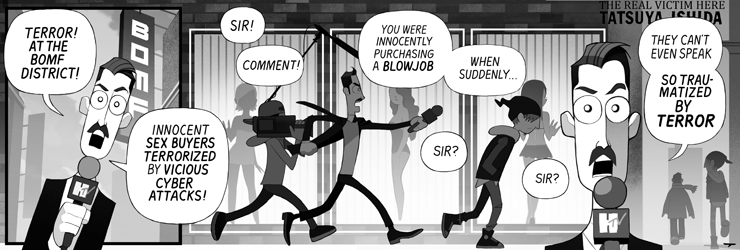
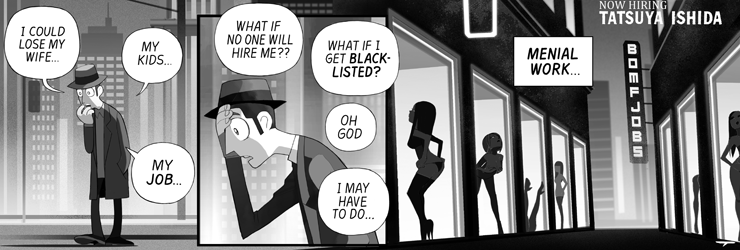
Brilliant strip from Tatsuya Ishida illustrating that ironic moment when the notion of ‘victim-less crime’ goes up in smoke and shit proceeds to get real. Go to sinfest.net to read the rest of the story.
Oh you darn Men. Is there anything you cannot do?
Given the calibre of many male self-identified feminists, one would have to conclude that the answer is generally “no”. If tomorrow Patriarchy absconded (woo!) and humanity somehow got its collective head around the notion that women are people and were treated as such – then I think men could be feminists (although with patriarchy gone there might not be the need for feminism), but that is the only case that I can think of at the moment.
The problem facing male feminists is the differing ways in which the sexes are socialized. Different language, nuances, and expectations are foisted upon girls and boys by the societal environment around them. This is what the social construction gender looks like .
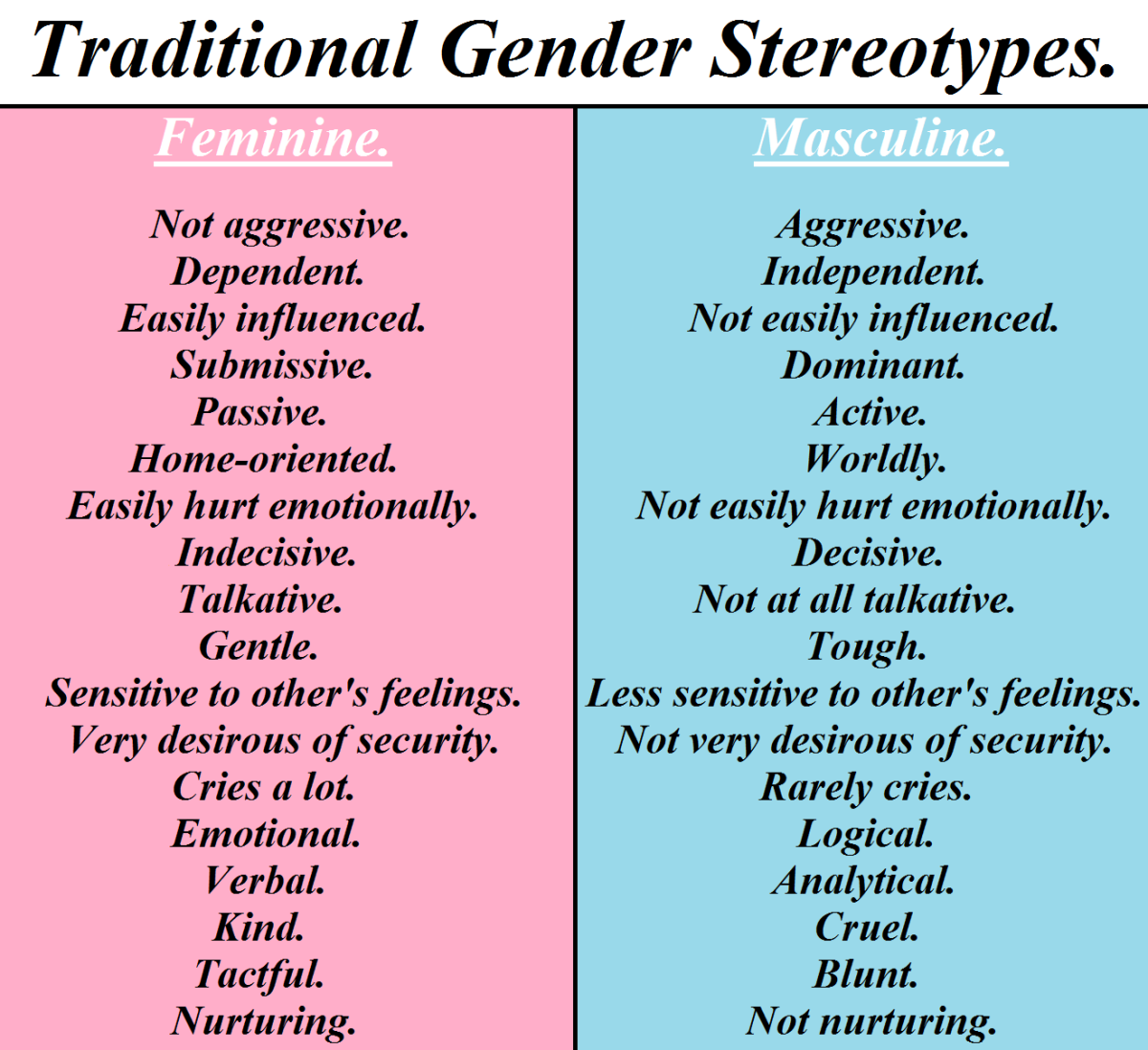
Like it or not, metrics like these are used in society to evaluate your efficacy in terms of being in one particular sex role, or the other. Gendered socialization is inescapable as it is the societal air we breathe toxic as it may be. So take a moment and consider how your perception of the world is right now and then then imagine if the the prism of how you look at society and how society looks at you is the other coloured box.
Thus bringing us to the fundamental point – women and men experience life quite differently, concomitantly life treats women and men differently. This wouldn’t be a problem if both sets of traits were equally valued in society, however, one set of traits is given precedence. And not just your ordinary precedence, but a precedence in a supererogatory degree.
This ‘precedence’ is what feminists like to call patriarchy. Patriarchy is simply the structuring, adjudicating, and maintenance of society for the benefit of one class of people who possess (in theory) the traits mentioned in the blue box. Those who are assigned the other box are assigned less importance and worth and treated accordingly in society. Thus, in a patriarchal society, the experiences of women and men are quite different.
Men doing feminism have to be very aware that how they interact with society is not the way it works for women. This point needs to be hammered home because, let’s be honest here, a good portion of dudes just don’t get it (sample the RPOJ tag for evidence of this assertion). 
Can men be effective in helping women push back the patriarchal tide? Absolutely! Being a feminist ally, and standing up for women, but not leading the charge is what dudes can do to make things better in society.

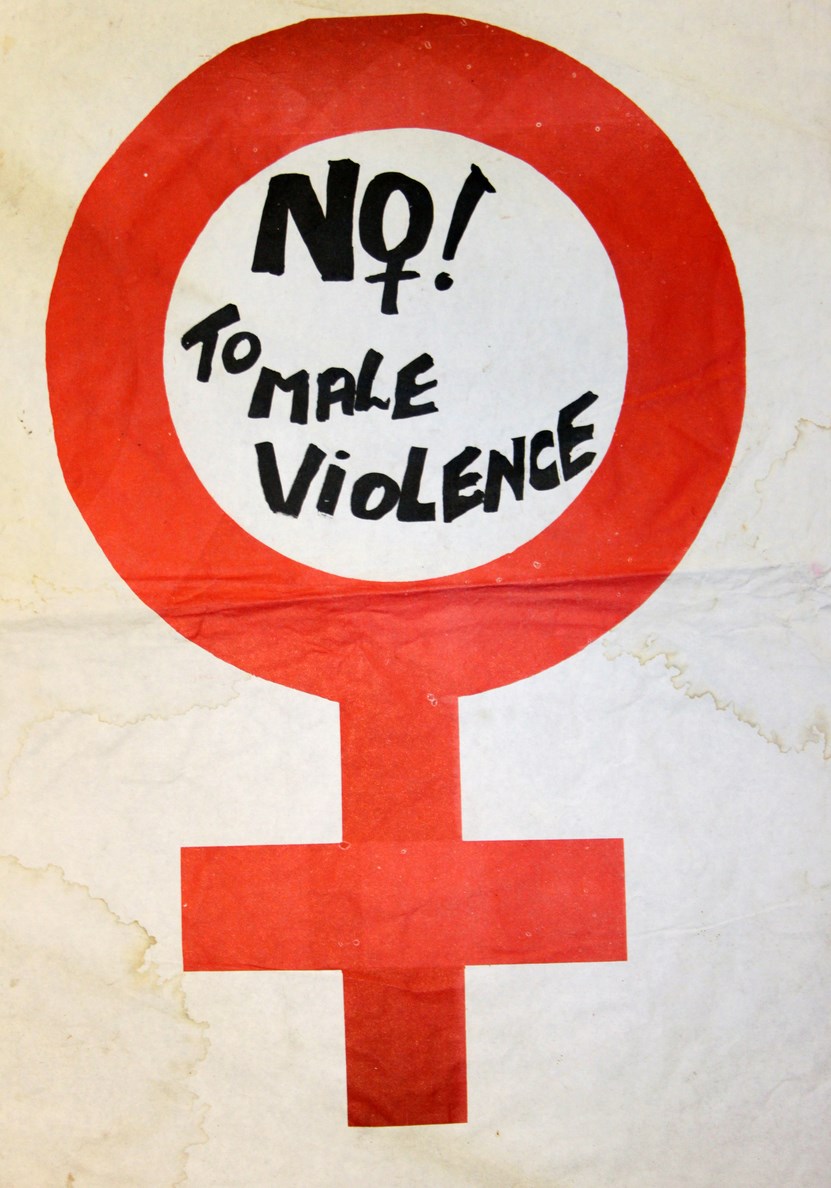 “Men who want to support women in our struggle for freedom and justice should understand that it is not terrifically important to us that they learn to cry; it is important to us that they stop the crimes of violence against us.”
— Andrea Dworkin
“The more psychotherapy an abusive man has participated in, the more impossible I usually find it is to work with him.
The highly “therapized” abuser tends to be slick, condescending, and manipulative. He uses the psychological concepts
he has learned to dissect his partner’s flaws and dismiss her perceptions of abuse. He takes responsibility for nothing that he does; he moves in a world where there are only unfortunate dynamics, miscommunications, symbolic acts. He expects to be rewarded for his emotional openness, handled gingerly because of his “vulnerability,” colluded with in skirting the damage he has done, and congratulated for his insight.Many years ago, a violent abuser in my program shared the following with us: “From working in therapy on my issues about anger toward my mother, I realized that when I punched my wife, it wasn’t really her I was hitting. It was my mother!” He sat back, ready for us to express our approval of his self-awareness. My colleague
peered through his glasses at the man, unimpressed by this revelation. “No,” he said, “you were hitting your wife.”I have yet to meet an abuser who has made any meaningful and lasting changes in his behavior toward female partners through therapy, regardless of how much “insight”—most of it false—that he may have gained. The fact is that if an abuser finds a particularly skilled therapist and if the therapy is especially successful, when he is finished he will be a happy, well-adjusted abuser—good news for him, perhaps, but not such good news for his partner. Psychotherapy can be very valuable for the issues it is devised to address, but partner abuse is not one of them; an abusive man needs to be in a specialized program.
Therapy focuses on the man’s feelings and gives him empathy and support, no matter how unreasonable the attitudes that are giving rise to those feelings. An abusive man’s therapist usually will not speak to the abused woman, whereas the counselor of a high-quality abuser program always does.
Therapy typically will not address any of the central causes of abusiveness, including entitlement, coercive control, disrespect, superiority, selfishness, or victim blaming.
It is also impossible to persuade an abusive man to change by convincing him that he would benefit from it, because he perceives the benefits of controlling his partner as vastly outweighing the losses. This is part of why so many men initially take steps to change their abusive behavior but then return to their old ways. There is another reason why appealing to his self-interest doesn’t work: The abusive man’s belief that his own needs should come ahead of his partner’s is at the core of his problem.
Therefore when anyone, including therapists, tells an abusive man that he should change because that’s what’s best for him, they are inadvertently feeding his selfish focus on himself: You can’t simultaneously contribute to a problem and solve it.
Women speak to me with shocked voices of betrayal as they tell me how their couples therapist, or the abuser’s individual therapist, or a therapist for one of their
children, has become a vocal advocate for him and a harsh and superior critic of her. I have saved for years a letter that a psychologist wrote about one of my clients, a man who admitted to me that his wife was covered with blood and had broken bones when he was done beating her and that she could have died. The psychologist’s letter ridiculed the system for labeling this man a “batterer,” saying that he was too reasonable and insightful and should not be participating in my abuser program any further.The content of the letter indicated to me that the psychologist had neglected to ever ask the client to describe the brutal beating that he had been convicted of.
As a routine part of my assessment of an abusive man, I contacted his private therapist to compare impressions. The therapist turned out to have strong opinions about the case:
THERAPIST: I think it’s a big mistake for Martin to be attending your abuser program. He has very low self-esteem; he believes anything bad that anyone says about him. If you tell him he’s abusive, that will just tear him down further. His partner slams him with the word abusive all the time, for reasons of her own. His wife’s got huge control issues, and she has obsessive-compulsive disorder. She needs treatment. I think having Martin in your program just gets her what she wants.
BANCROFT: So you have been doing couples counseling with them?
THERAPIST: No, I see him individually.
BANCROFT: How many times have you met with her?
THERAPIST: She hasn’t been in at all.
BANCROFT: You must have had quite extensive phone contact with her, then.
THERAPIST: No, I haven’t spoken to her.
BANCROFT: You haven’t spoken to her? You have assigned his wife a clinical diagnosis based only on Martin’s descriptions of her?
THERAPIST: Yes, but you need to understand, we’re talking about an unusually insightful man. Martin has told me many details, and he is perceptive and sensitive.
BANCROFT: But he admits to serious psychological abuse of his wife, although he doesn’t call it that. An abusive man is not a reliable source of information about his partner. What the abuser was getting from individual therapy, unfortunately, was an official seal of approval for his denial, and for his view that his wife was mentally ill.”

—“Why does he do that ? Inside the Minds of Angry and Controlling men”
by Lundy Bancroft
 An organization for men to deal with men’s problems? How bad could it be? Let’s take a look at their manifesto:
“Wolf Pack aims to tackle the challenges of social isolation amongst adult men by helping foster social connection and new friendships through vulnerable and supportive conversations around topics of depth.
Our Wolf Pack groups will be meeting on a monthly basis, and similar to our youth programs, we’ll be diving deep into topics around our pillars of self (acceptance, esteem, love, and awareness), health (mental, emotional, and physical), and others (inclusiveness, diversity, empathy, and relationships). Don’t worry if this sounds a bit different then your usual after-work gathering – Wolf Pack is going to be a fun, engaging, and unique event every time.”
Well, doesn’t seem like a bad start. Choosing ‘wolf pack’ though, given the sheer volume of specious MRA arguments based on a the contrived notion of ‘wolf-society’ should make one pause. Is our hesitation justified? Let’s view the next line from the w-pack manifesto:
“The goals of Wolf Pack are to:
Create brave spaces for conversations about masculinity and positive, healthy ways to ‘be a man’
Break down social isolation and foster lasting connections and meaningful support with our peers”
What precisely is a ‘brave space’? Perhaps it involves blue war-paint and shouting in bad Scottish accent, “Freedom!”? Who knows, but it seems like a ham-handed way to avoid saying ‘safe space’ because as we all know feminists and women use that term, and certainly one should not be associated with unmanly people like that.
Hope for the W-pak took a bit of dip when reading the first line. Masculinity is fucking toxic. It is based on creating worth for one set of human beings by degrading, debasing, and savaging another subset of species. Trying to tease out positive healthy ways out of the vile shit-soup that is masculinity would be quite the feat. Furthermore, how about healthy ways to be a ‘person’ rather than one side of the oppressive gender hierarchy.
I realize that casting a radical feminist analysis at the wolf-pack might not be entirely fair, but these folks are getting media attention for essentially stating that they are not overtly hostile to females and feminism in general. A very large cookie for each of these embiggended and bold men daring to not threaten the status-quo in society…
“Who can participate in Wolf Pack?
Wolf Pack is open to men and anyone who identifies with maleness/masculinity looking to meet like-minded men who are interested in redefining what it is to “be a man” and make friends along the way! […]”
Way to portray masculinity in a positive light! – Because we all know how awesome the masculine set of gender stereotypes happen to be.
The Wolfpack seems to be getting some media attention for the noble attribute of not being particularly horrible. Of course, in our patriarchal society, that is all it takes. It would be more interesting to see some media coverage of women’s organizations and the women that run them, but then again males being ‘not horrible’ is judged to be the newsworthy piece.
:(
IBTP.
[Source: The Wolf Pack/ NextGen Men]











 bleatmop
 Mystro
 The Arbourist


 Dead Wild Roses
Your opinions…