
You are currently browsing the category archive for the ‘Queer Bullshit’ category.
Introduction
The dialectic—Hegel’s clash of ideas, Marx’s material struggles—slices through history’s haze, exposing contradictions that propel transformation. In this final installment, we probe whether the tension within third-wave feminism and queer theory-based gender ideology sustains their revolutionary spark or risks their co-optation in history’s relentless churn. These movements, once antitheses to rigid norms, have reshaped Western society, challenging traditional discursive representations of gender and identity[^3], yet their outcomes—marked by institutional absorption and fierce backlash—suggest a complex dialectical fate. We examine concrete examples of their use and potential discardment, situating them within the broader corrosion of classical liberal values: individual liberty, equality before the law, empirical rigor. The question is not whether these movements endure but whether their radical potential survives the dialectic’s unyielding spiral.
Current Status of Third-Wave Feminism in 2025
Third-wave feminism, born in the early 1990s, remains a potent force in 2025, its intersectional ethos—championing the interplay of race, class, and gender—shaping academic discourse and social justice activism. Figures like Kimberlé Crenshaw and Rebecca Walker drove its critique of second-wave feminism’s homogeneity, demanding inclusivity for marginalized women. Yet, its strength—diversity—has become its Achilles’ heel. Elizabeth Evans notes its “confusion” as a defining trait, with “feminism” now a nebulous catch-all, lacking the unified punch of earlier waves (Evans, 2015). This fragmentation, coupled with mainstream co-optation, threatens its coherence.
The movement’s radical edge has been blunted by corporate commodification. The “girl power” mantra, once a rallying cry, now adorns consumer products—Nike’s empowerment-themed ads, Dove’s body-positive campaigns—often devoid of systemic critique (Snyder-Hall, 2010). Such co-optation transforms feminism into a marketable aesthetic, not a call to dismantle patriarchy. Radical feminists like Sheila Jeffreys argue that third-wave’s embrace of fluid identities, including transfeminism, dilutes focus on sex-based oppression, creating internal contradictions (Jeffreys, 2014). Despite this, third-wave ideas persist in policy—like workplace diversity quotas—and activism, suggesting a synthesis where inclusivity is celebrated but often superficially, leaving structural inequities intact.
Current Debates on Gender Ideology in 2025
Queer theory-based gender ideology, rooted in Judith Butler’s deconstruction of gender as performative and David Halperin’s definition of “queer” as “whatever is at odds with the normal, the legitimate, the dominant… an identity without an essence” (Halperin, 1995, p. 62), remains a lightning rod in 2025. Its challenge to binary norms has driven cultural shifts, like non-binary passport markers in Canada and Germany. Yet, its radicalism faces co-optation and backlash. “Rainbow capitalism”[^1]—corporations like Target flaunting Pride-themed merchandise—reduces queer liberation to a seasonal marketing ploy, stripping its subversive core (Fraser, 2009).
The backlash is fierce. In January 2025, a U.S. executive order, “Defending Women From Gender Ideology Extremism,” rescinded prior gender-identity protections, prioritizing biological sex and framing gender ideology as a threat to empirical truth (White House, 2025). Critics like Helen Pluckrose and James Lindsay decry its rejection of biology as anti-scientific, arguing it undermines rational discourse (Pluckrose & Lindsay, 2020). Radical feminists, like Rosemary Hennessy, contend it sidelines materialist concerns[^2]—capitalism, patriarchy—for discursive battles, weakening feminist unity (Hennessy, 1995). Amnesty International highlights how “gender ideology” is weaponized to curb rights to bodily autonomy and expression, signaling a potent antithesis from traditionalists and liberals alike (Amnesty International, 2025). Yet, gender ideology’s influence endures in cultural visibility—think Laverne Cox’s media presence—though its dogmatic assertions, like dismissing critics as “bigots,” risk alienating allies.
Outcomes of Third-Wave Feminism: Used and Discarded?
Third-wave feminism’s dialectical journey reveals both triumph and erosion. Its antithesis to second-wave homogeneity—embodied in the Riot Grrrl movement’s punk defiance and digital activism’s global reach—yielded a synthesis: a broader, more inclusive feminism. Yet, this inclusivity has been co-opted. Corporate campaigns, like Always’ #LikeAGirl, repackage feminist rhetoric for profit, offering empowerment without challenging systemic power (Snyder-Hall, 2010). Diversity initiatives, such as corporate quotas, often prioritize optics over structural change—tokenism masquerading as progress. A 2023 study found that 60% of U.S. companies with diversity programs reported no significant increase in women’s leadership roles, underscoring this superficiality (McKinsey, 2023).
Has third-wave feminism been discarded? Not wholly. Its ideas permeate academia and activism, influencing policies like paid parental leave. Yet, its fragmentation—where “feminism” spans corporate branding to radical protest—suggests a partial discardment. Radical feminists argue its focus on identity over material conditions has sidelined women’s collective struggle, aligning with Marx’s view of ideology being co-opted by capitalist structures (Evans, 2015). The dialectic has moved: fourth-wave feminism, driven by #MeToo and social media, has emerged as a new antithesis, addressing sexual violence but often bypassing third-wave’s broader intersectional lens, indicating a shift rather than obliteration.
Outcomes of Gender Ideology: Co-optation or Collapse?
Gender ideology’s dialectical path mirrors this pattern. Its antithesis to binary norms—evident in gender-neutral bathrooms and non-binary legal markers—has forged a synthesis: societal acknowledgment of gender diversity. Yet, co-optation looms large. “Rainbow capitalism”[^1] exemplifies this: corporations like Bud Light’s 2023 Dylan Mulvaney campaign leverage trans visibility for profit, often without supporting systemic change (Fraser, 2009). Such moves dilute the radical critique of normative structures Halperin envisioned, turning queerness into a consumer trend.
The backlash is a formidable antithesis. The 2025 U.S. executive order reflects a growing push to reassert biological sex, echoed by scholars like Pluckrose who critique gender ideology’s rejection of empirical science (Pluckrose & Lindsay, 2020). Radical feminists, like Jeffreys, argue it erodes sex-based protections, citing conflicts over women’s sports and prisons (Jeffreys, 2014). Public opinion is shifting: a 2024 Pew Research poll found 65% of Americans oppose trans women competing in women’s sports, signaling declining favor (Pew Research, 2024). This suggests a partial discardment: while gender ideology’s cultural impact persists, its dogmatic stances—dismissing biology or silencing dissent—have alienated segments of society, risking marginalization.
Western Society and Classical Liberal Values: A Corroding Framework
Third-wave feminism and gender ideology challenge classical liberal values—individual liberty, equality before the law, empirical rigor—by prioritizing group identities and systemic inequities. Their emphasis on intersectionality and fluid identities clashes with liberalism’s universal principles. Affirmative action, rooted in third-wave’s intersectional ethos, is seen by critics like John McWhorter as undermining meritocracy, a cornerstone of liberalism (McWhorter, 2021). Gender ideology’s rejection of biological sex provokes similar critiques, with scholars arguing it corrodes rational discourse by prioritizing subjective identity over objective truth (Pluckrose & Lindsay, 2020).
The current synthesis is a form of “liberal multiculturalism,” where diversity is celebrated within liberal frameworks—think corporate DEI programs or legal non-binary recognition. Yet, this synthesis is superficial: it absorbs radical ideas without dismantling power structures, aligning with Marx’s view of capitalism co-opting dissent (Fraser, 2009). The antithesis is robust: classical liberals, like Jonathan Haidt, argue these movements foster collectivism, eroding individual autonomy (Haidt, 2018). Radical feminists and traditionalists form another antithesis, defending sex-based rights and empirical science against identity-based ideologies. This tension suggests Western society’s liberal foundations are not collapsing but corroding—stretched by competing visions of justice.
Conclusion
Third-wave feminism and gender ideology, once radical antitheses, have been partially co-opted, their transformative power blunted by corporate commodification and institutional absorption. Examples like “girl power” branding and “rainbow capitalism” illustrate their use as tools for profit, not revolution. Backlash—from radical feminists, scientists, and classical liberals—signals a partial discardment, as their contradictions alienate allies. Yet, their influence persists in fragmented forms, shaping policy and culture. The dialectic churns on: a synthesis of liberal multiculturalism clashes with an antithesis defending liberal principles, corroding Western society’s foundations. The future demands scrutiny—will these movements reignite their radical spark, or dissolve into history’s spiral?

Table: Dialectical Outcomes of Third-Wave Feminism and Gender Ideology
| Aspect | Third-Wave Feminism | Queer Theory-Based Gender Ideology |
|---|---|---|
| Initial Antithesis | Critique of second-wave homogeneity | Rejection of binary gender norms |
| Synthesis | Inclusive, fragmented feminism | Acknowledgment of gender diversity |
| Co-optation Example | “Girl power” in advertising | “Rainbow capitalism” in Pride campaigns |
| Backlash | Radical feminists prioritizing sex-based rights | Scientists, feminists defending biology |
| Status in 2025 | Fragmented, influential in academia/activism | Contentious, culturally influential but contested |
Footnotes
[^1]: Rainbow capitalism refers to the practice where corporations use LGBTQ+ symbols, particularly during Pride Month, to market their products and appear supportive of the community, often without genuine commitment to LGBTQ+ rights. It’s a form of commodification of queer identity for profit (Wikipedia, 2022).
[^2]: Materialist concerns in social theory focus on tangible, economic, and structural factors that affect people’s lives, such as class, labor, and access to resources. In feminism, it emphasizes the economic and social structures that perpetuate gender inequality, rather than just cultural or ideological aspects (Hennessy, 1995).
[^3]: Discursive representation in social theory refers to how social phenomena, identities, or ideas are constructed and represented through language and discourse. It’s about the way we talk about and conceptualize things, which shapes our understanding and reality (Matus, 2018).
Sources
- Amnesty International. (2025). WHAT IS GENDER? AND WHY UNDERSTANDING IT IS IMPORTANT.
- Evans, E. (2015). The Politics of Third Wave Feminisms: Neoliberalism, Intersectionality, and Hegemony. Palgrave Macmillan.
- Fraser, N. (2009). Feminism, Capitalism, and the Cunning of History. New Left Review, 56, 97–117.
- Haidt, J. (2018). The Coddling of the American Mind. Penguin Books.
- Halperin, D. M. (1995). Saint Foucault: Towards a Gay Hagiography. Oxford University Press.
- Hennessy, R. (1995). Queer Visibility in Commodity Culture. Cultural Critique, 29, 31–76.
- Jeffreys, S. (2014). Gender Hurts: A Feminist Analysis of the Politics of Transgenderism. Routledge.
- Matus, P. (2018). Discursive Representation: Semiotics, Theory, and Method. Semiotica, 2018(225), 103–127.
- McKinsey & Company. (2023). Women in the Workplace 2023.
- McWhorter, J. (2021). Woke Racism: How a New Religion Has Betrayed Black America. Portfolio.
- Pew Research Center. (2024). Public Opinion on Transgender Issues.
- Pluckrose, H., & Lindsay, J. (2020). Cynical Theories: How Activist Scholarship Made Everything about Race, Gender, and Identity. Swift Press.
- Snyder-Hall, R. C. (2010). Third-Wave Feminism and the Defense of “Choice”. Perspectives on Politics, 8(1), 255–261.
- White House. (2025). Defending Women From Gender Ideology Extremism and Restoring Biological Truth to the Federal Government.
- Wikipedia. (2022). Rainbow Capitalism.
Introduction
The dialectic—Hegel’s clash of ideas, Marx’s material struggles—cuts through the fog of social change, exposing contradictions that forge new realities. In this second installment of our series, we wield this lens to dissect third-wave feminism and queer theory-based gender ideology, two movements that have corroded entrenched norms around gender and identity. By defining their origins, principles, and tangible impacts, we reveal their roles as dialectical antitheses: challenging rigid structures, igniting conflict, and birthing new social orders. Yet, their trajectories—shaped by the neoliberal churn of the 1990s—are fraught with contention, from feminist schisms to charges of anti-science dogma. We must probe their material roots and critiques to grasp their dialectical force, setting the stage for our final inquiry into whether these movements, absorbed by institutions or still radically potent, persist in history’s unyielding spiral.
Third-Wave Feminism: A Dialectical Force for Inclusivity
Third-wave feminism, emerging in the early 1990s, arose as a fierce critique of second-wave feminism’s homogeneity. The second wave (1960s–1980s) secured legal victories—reproductive rights, workplace protections—but often centered white, middle-class women, marginalizing others. Third-wave feminists, galvanized by Kimberlé Crenshaw’s 1989 concept of intersectionality (Crenshaw, 1989), which posits that oppressions like race, class, and gender interlock, sought to rectify this. Judith Butler’s Gender Trouble (1990) deconstructed gender as performative, while Patricia Hill Collins’ Black Feminist Thought (1990) amplified Black women’s voices. This wave embraced diversity and individual agency, challenging the second wave’s universalist bent.
Dialectically, third-wave feminism is an antithesis to the second wave’s thesis. The thesis—legal equality—harbored a contradiction: its narrow scope ignored compounded oppressions. The antithesis, third-wave’s intersectional critique, exposed this flaw, pushing for a synthesis: a fragmented yet inclusive feminism. This corrodes the second wave’s monolithic framework, but critics—radical feminists like Sheila Jeffreys—argue it dilutes focus on sex-based oppression, prioritizing fluid identities over material realities (Jeffreys, 2014). Liberal feminists, meanwhile, clash with its poststructuralist leanings, favoring pragmatic reforms over theoretical deconstructions.
The material conditions of the 1990s—global capitalism, neoliberal individualism, and media saturation—fueled this shift. Second-wave gains, like increased economic power for women, created space for diverse voices, while neoliberalism’s emphasis on personal choice shaped third-wave’s focus on identity politics (Evans, 2015). Yet, this context also introduced contradictions: the commodification of feminism risked co-opting its radical edge, a tension that persists.
Concrete Examples
The Riot Grrrl movement, a feminist punk subculture born in Olympia, Washington, in the early 1990s, exemplifies third-wave feminism’s dialectical force. Punk’s male-dominated culture (thesis) was challenged by Riot Grrrl’s fierce activism (antithesis)—bands like Bikini Kill and zines like Girl Germs championed DIY ethics and female empowerment. The synthesis: a punk scene more inclusive of women, influencing broader cultural gender representations (Gottlieb & Wald, 1994). Digital activism, via 1990s blogs and e-zines, further challenged traditional feminist discourse (thesis) with decentralized voices (antithesis), yielding a globalized feminist movement amplifying marginalized perspectives (Evans, 2015). Yet, this digital sprawl fractured unity, a critique levied by radical feminists who see it as diluting feminist goals.
Queer Theory-Based Gender Ideology: Disrupting Binary Norms
Queer theory-based gender ideology, rooted in 1990s scholarship, rejects fixed gender and sexuality categories as socially constructed. Judith Butler’s Gender Trouble (1990) argued gender is performative, while David Halperin defined “queer” as “by definition whatever is at odds with the normal, the legitimate, the dominant. There is nothing in particular to which it necessarily refers. It is an identity without an essence” (Halperin, 1995, p. 62). This oppositional stance—antithetical to normative structures—drives its dialectical role, advocating for fluid identities and reshaping social, legal, and cultural landscapes. Its rise, however, ignites fierce debate, with critics decrying its rejection of biological realities.
Dialectically, gender ideology is an antithesis to traditional gender norms (thesis), which enforce a binary system rooted in biological sex. By deconstructing these norms as constructed, it pushes for a synthesis: inclusive policies and cultural shifts accommodating diverse identities. This synthesis, however, is contested. Helen Pluckrose and James Lindsay (2020) argue in Cynical Theories that queer theory’s dismissal of biology as “bollocks” misrepresents scientific facts to prioritize political disruption, undermining empirical rigor. Feminist critics like Rosemary Hennessy (1995) contend it sidelines materialist concerns—capitalism, patriarchy—focusing on discursive representations over systemic oppressions. Radical feminists, like Andrea Dworkin, reject queer theory outright, arguing its fluidity erases sex-based categories essential for addressing women’s oppression (Dworkin, 1994).
The 1990s neoliberal context—marked by consumer culture and identity commodification—amplified queer theory’s rise. Global capitalism’s emphasis on individual expression aligned with its focus on fluid identities, but institutional absorption (e.g., corporate pride campaigns) risks diluting its radical critique, a tension mirroring third-wave feminism’s challenges (Fraser, 2009).
Concrete Examples
The push for gender-neutral bathrooms challenges binary facilities (thesis) with inclusive spaces (antithesis), yielding a synthesis: institutions adopting such facilities, though resistance persists (Engenderings, 2017). Legal recognition of non-binary gender markers on passports in countries like Canada and Germany negates binary legal frameworks (thesis) with fluid identities (antithesis), fostering inclusive systems (synthesis), despite pushback from biological essentialists (Butler, 2019). Media visibility of transgender figures like Laverne Cox challenges traditional representations (thesis) with diverse portrayals (antithesis), shaping inclusive media landscapes (synthesis), though backlash underscores ongoing contradictions.
Conclusion
Third-wave feminism and queer theory-based gender ideology embody the dialectic’s relentless drive: contradictions expose flaws, ignite conflict, and forge new realities. Third-wave feminism, through intersectionality and movements like Riot Grrrl, negated second-wave limitations, birthing an inclusive yet fragmented feminism. Gender ideology, rooted in queer theory’s oppositional stance, drives changes like gender-neutral bathrooms—yet its anti-science critiques and feminist tensions invite skepticism. Rather than facing obsolescence, these movements navigate a tension between institutional absorption and radical potential, integrated into mainstream discourse yet still pushing boundaries. In our final installment, we’ll probe whether this tension sustains their transformative power or risks their co-optation in history’s dialectical churn.
Table: Dialectical Analysis of Third-Wave Feminism and Gender Ideology
| Aspect | Third-Wave Feminism | Queer Theory-Based Gender Ideology |
|---|---|---|
| Thesis | Second-wave feminism’s universalist focus | Traditional binary gender norms |
| Antithesis | Intersectionality and diversity critiques | Fluid, non-binary gender identities |
| Synthesis | Inclusive, fragmented feminist movement | Inclusive policies and cultural shifts |
| Examples | Riot Grrrl, digital activism | Gender-neutral bathrooms, non-binary passports |
| Contention | Dilutes sex-based focus (radical feminists) | Anti-science, sidelines materialist concerns |
| Material Context | Neoliberalism, global capitalism | Consumer culture, identity commodification |
Sources
- Butler, J. (1990). Gender Trouble: Feminism and the Subversion of Identity. Routledge. [https://www.routledge.com/Gender-Trouble-Feminism-and-the-Subversion-of-Identity/Butler/p/book/9780415389556]
- Butler, J. (2019). Gender Trouble: Tenth Anniversary Edition. Routledge.
- Collins, P. H. (1990). Black Feminist Thought: Knowledge, Consciousness, and the Politics of Empowerment. Unwin Hyman.
- Crenshaw, K. (1989). Demarginalizing the Intersection of Race and Sex: A Black Feminist Critique of Antidiscrimination Doctrine, Feminist Theory and Antiracist Politics. University of Chicago Legal Forum, 1989(1), 139–167. [https://chicagounbound.uchicago.edu/uclf/vol1989/iss1/8]
- Dworkin, A. (1994). Letters from a War Zone. Lawrence Hill Books.
- Engenderings. (2017). Gender Ideology: Tracking Its Origins and Meanings in Current Gender Politics.
- Evans, E. (2015). The Politics of Third Wave Feminisms: Neoliberalism, Intersectionality, and Hegemony. Palgrave Macmillan. [https://link.springer.com/book/10.1057/9781137295279]
- Fraser, N. (2009). Feminism, Capitalism, and the Cunning of History. New Left Review, 56, 97–117. [https://newleftreview.org/issues/ii56/articles/nancy-fraser-feminism-capitalism-and-the-cunning-of-history]
- Gottlieb, J., & Wald, G. (1994). Smells Like Teen Spirit: Riot Grrrls, Revolution, and Women in Independent Rock. Microphone Fiends: Youth Music and Youth Culture, 25–44.
- Halperin, D. M. (1995). Saint Foucault: Towards a Gay Hagiography. Oxford University Press. [https://global.oup.com/academic/product/saint-foucault-9780195093711]
- Hennessy, R. (1995). Queer Visibility in Commodity Culture. Cultural Critique, 29, 31–76. [https://www.jstor.org/stable/1354519]
- Jeffreys, S. (2014). Gender Hurts: A Feminist Analysis of the Politics of Transgenderism. Routledge. [https://www.routledge.com/Gender-Hurts-A-Feminist-Analysis-of-the-Politics-of-Transgenderism/Jeffreys/p/book/9780415539401]
- Pluckrose, H., & Lindsay, J. (2020). Cynical Theories: How Activist Scholarship Made Everything about Race, Gender, and Identity—and Why This Harms Everybody. Swift Press. [https://www.swiftpress.com/book/cynical-theories]
About fucking time the facade of youth gender medicine’s supposed infallibility is crumbling. For years, the trans rights movement has peddled the emotionally manipulative lie that denying children puberty blockers or cross-sex hormones is tantamount to signing their death warrants—a claim rooted in social blackmail rather than evidence. The Atlantic article exposes this narrative, epitomized by phrases like “Would you rather have a dead son than a live daughter?” as collapsing under scrutiny. During Supreme Court arguments in the Skrmetti case, ACLU lawyer Chase Strangio admitted there’s no evidence linking medical transition to reduced adolescent suicide rates, a concession that exposes the hollowness of the movement’s loudest rallying cry. Systematic reviews further debunk the myth, showing no increase in suicides when blockers were restricted in England. The left’s bubble, sustained by zombie facts and a refusal to engage with critics, has been punctured by undeniable truths—truths skeptics have long pointed out, only to be shouted down.
I told you so: the so-called evidence base for youth gender medicine is a house of cards built on citation laundering and ideological zeal. American clinics, deviating from the cautious Dutch protocol, often prescribe blockers on first visits, bypassing thorough assessments. WPATH, the supposed gold standard, has been caught suppressing inconvenient research, with internal doubts about weak evidence buried to protect political goals. Rachel Levine’s push to remove age minimums for surgeries was a calculated move to dodge conservative attacks, not a science-driven decision. Meanwhile, practitioners like Johanna Olson-Kennedy, who casually dismissed adolescent regret with “you can go and get [breasts],” reveal a cavalier attitude toward irreversible procedures. The left’s sanctimonious insistence on “settled science” is nothing but a confabulation, propped up by medical associations’ politically influenced consensus rather than rigorous data.
The legal system, for all its flaws, has finally dragged these lies into the light—about fucking time. Court cases like Skrmetti and Alabama’s litigation exposed WPATH’s internal admissions of shaky evidence and their efforts to muzzle researchers whose findings didn’t align with the narrative. The Cass report, dismissed by American advocates as “subjective,” challenged WPATH’s authority with systematic reviews recommending caution. Yet, the left clings to its bubble, accusing outlets like The New York Times of “manufacturing” debate. Skeptics, long vilified as bigots, have been vindicated: the evidence is inconclusive, the risks are real, and the emotional blackmail is unconscionable. Supporting trans rights doesn’t require endorsing experimental treatments for kids, and it’s high time liberals faced this reality instead of doubling down on discredited dogma.
Bibliography
- Lewis, Helen. “The Liberal Misinformation Bubble About Youth Gender Medicine.” The Atlantic, June 29, 2025. https://archive.is/1PP0D.
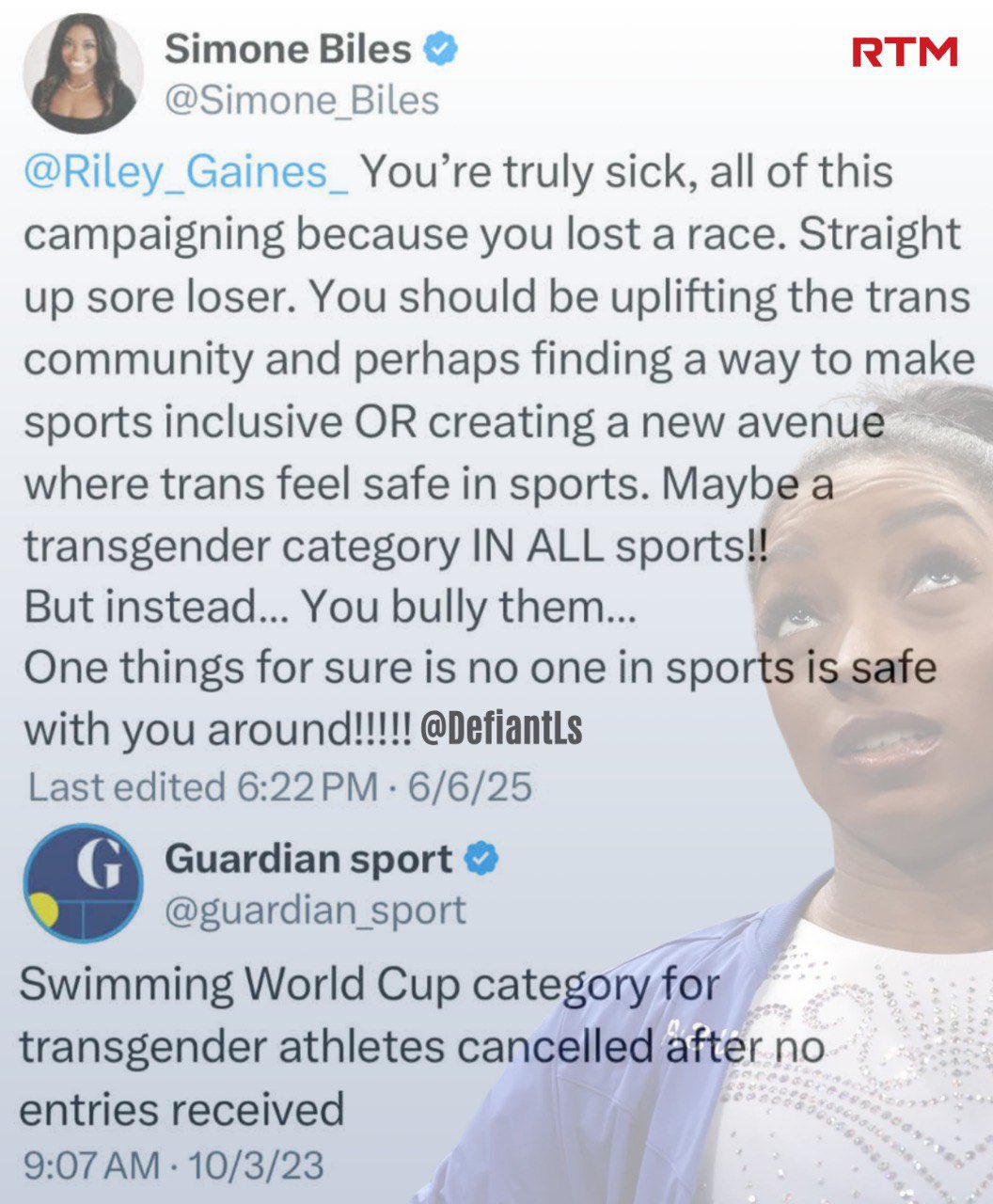
It has never been about getting “rights” which they already have or setting up places and spaces for themselves. No no no. They want to and have been encroaching on female spaces, services, and sports.
Gender delusional men have no place in female spaces. Ever.
As a parent, you want your child’s education to focus on facts, skills, and values that prepare them for life. But in some classrooms, teachers are introducing queer theory—a radical ideology that challenges traditional norms about gender, sexuality, and society. This guide will help you understand what’s happening, why it’s a problem, and how you can take action to protect your child.
What Is the “Motte and Bailey” Tactic?
Imagine a castle with a strong, defensible tower (the “motte”) and a large, less defensible courtyard (the “bailey”). The motte and bailey tactic is a trick where someone makes a bold, controversial claim (the bailey) but, when challenged, retreats to a safer, less controversial claim (the motte). In education, this looks like:
- The Bailey (bold claim): Teachers say they’re “queering the curriculum” to challenge norms and promote radical ideas about gender and sexuality.
- The Motte (safe claim): When parents object, teachers retreat to saying they’re just being “inclusive” or “teaching diversity.”
This tactic makes it hard to argue against without seeming like you’re against inclusion. But inclusion and queerness are not the same thing, and it’s important to know the difference.
Key Terms You Need to Know
- Inclusivity: Making sure all students feel welcome and respected, regardless of their background (e.g., race, religion, disability). True inclusivity is about kindness and fairness, not ideology.
- Queer: Originally a slur, this term has been reclaimed by some to describe non-traditional sexual orientations or gender identities. In education, it often means challenging or rejecting societal norms.
- Queering the Curriculum: This means adding queer theory to lessons. Queer theory isn’t just about acceptance—it’s about questioning and destabilizing what’s considered “normal” (e.g., traditional family structures, biological sex). In elementary schools, this can confuse young children who need clear, factual learning.
Coercive and Deceptive Tactics Used in Schools
Some teachers push queer theory while dismissing parents’ concerns. Here are the main tactics they use:
- Hiding Behind “Inclusivity”: Teachers claim they’re just being inclusive, but they’re actually promoting queer ideology. For example, they might say they’re “teaching inclusively” to make it sound harmless, even though they’re introducing complex ideas about gender and sexuality.
- Using Critical Theory: Teachers use methods like critical literacy, which encourages students to question power and norms. This might sound educational, but it’s often a way to push activism instead of facts—too advanced and ideological for young kids.
- Ignoring Parents: When parents object, teachers might offer small compromises (like letting a child skip a lesson) but won’t change the overall curriculum. They dismiss concerns as unimportant or unreasonable.
- Leveraging Policy: Teachers use school rules or laws to defend their actions, even if parents disagree. This makes parents feel like they have no say.
These tactics are coercive because they force queer ideology into classrooms while sidelining parents. They’re deceptive because they hide behind feel-good words like “inclusivity” to avoid real discussion.
Why This Is a Problem
- It’s Not Age-Appropriate: Elementary students need to focus on basics like reading and math, not complex ideas about gender and sexuality.
- It Undermines Parental Authority: Parents should have a say in what their kids learn. Ignoring you breaks that trust.
- It Confuses Children: Challenging basic truths (like boys and girls) can unsettle young kids who need stability.
- It’s Activism, Not Education: Schools should teach facts, not push political ideas.
What Parents Can Do to Stop It
You have the power to protect your child’s education. Here’s how:
- Educate Yourself:
- Learn what queer theory is and how it’s used in schools. Look up articles or videos online.
- Ask for your school’s curriculum details—lesson plans, books, anything they’re teaching.
- Talk to Teachers:
- Ask clear questions: “What are you teaching about gender or sexuality? Why is this in the curriculum?”
- Stay calm but firm: “I’m all for kindness, but I’m worried about ideology in the classroom.”
- Engage with School Boards:
- Go to meetings and speak up. Bring examples of what’s being taught.
- Suggest focusing on core skills instead of controversial topics.
- Form Parent Groups:
- Team up with other parents who feel the same way.
- Share info and plan together—maybe write a group letter to the school.
- Monitor What Your Child Learns:
- Talk to your kid about their day. Check their homework or classwork.
- If something seems off, write it down and raise it with the teacher.
- Use Legal Resources:
- If the school won’t listen, talk to a lawyer who knows education law.
- Look up your state’s rules on parental rights.
- Advocate for Policy Changes:
- Push for rules that let parents approve or get notified about sensitive topics.
- Back school board members who care about parents’ voices.
- Consider Alternatives:
- If the school won’t budge, look into private schools or homeschooling.
- Find options that match your values and focus on real learning.
Final Thoughts
You’re your child’s best defender. Don’t let schools brush you off or confuse you with buzzwords. Demand clear answers and a focus on age-appropriate, fact-based education. By staying informed and active, you can keep your child’s classroom a place for learning—not ideology.

Key Points(TL;DR)
- The pride movement of the 1970s and 1980s focused on securing legal and social acceptance for lesbian, gay, and bisexual (LGB) individuals, achieving significant milestones like same-sex marriage legalization.
- With gay marriage widely accepted in the West, the original goals of the pride movement were largely fulfilled, suggesting a natural conclusion to its initial mission.
- The rise of queer theory and postmodern ideologies in the 1990s shifted the movement’s focus toward challenging all societal norms, diverging from its original aim of integration.
- Some critics argue that this shift, influenced by concepts like David Halperin’s “queer as an identity without essence,” has led to public behaviors that challenge traditional norms of decency.
- While personal freedom is valued, there is debate over whether certain expressions should be limited in public and professional spaces, reflecting tensions between individual rights and societal expectations.
Introduction to the Original Pride Movement
The pride movement, which gained momentum in the 1970s and 1980s, was a transformative force in advocating for the rights and acceptance of lesbian, gay, and bisexual (LGB) individuals in Western societies. Sparked by the 1969 Stonewall Riots, the movement crystallized with the first gay pride parade in 1970, known as the Christopher Street Liberation Day. This period saw significant achievements, such as the election of openly gay officials like Kathy Kozachenko and Harvey Milk, and the 1973 decision by the American Psychiatric Association to declassify homosexuality as a mental illness. The movement’s central aim was to secure legal recognition and social acceptance, with a particular focus on achieving same-sex marriage rights, a goal realized in many Western nations by the 2000s, notably with the U.S. Supreme Court’s 2015 ruling in Obergefell v. Hodges (History of Gay Rights).
Achievement of Core Goals
The legalization of same-sex marriage marked a pivotal victory for the LGB community, fulfilling a core objective of the original pride movement. By 2015, when the U.S. Supreme Court affirmed same-sex marriage as a constitutional right, many legal and social barriers that once marginalized LGB individuals had been dismantled. This milestone suggested that the movement had largely achieved its aim of integrating LGB individuals into societal frameworks, allowing them to live openly without systemic discrimination. However, rather than marking a point of closure, this success coincided with a significant ideological shift within the movement, redirecting its focus from acceptance to broader, more radical objectives.
Ideological Shift and Queer Theory
In the 1990s, the emergence of queer theory and postmodern ideologies reshaped the pride movement’s trajectory. Unlike the earlier focus on securing specific rights for LGB individuals, queer theory, as articulated by scholars like David M. Halperin, emphasizes the fluidity of identities and challenges all forms of normativity, including societal structures beyond sexuality. This perspective views “queer” not as a fixed identity but as a positionality that opposes dominant norms, fundamentally altering the movement’s goals from integration to deconstruction of societal frameworks (Queer Theory). Critics argue this shift has led to a movement that prioritizes subversion over acceptance, creating tension with the original pride ethos.
Queer as an Identity Without Essence
David Halperin’s concept of “queer” as an “identity without an essence” encapsulates this new direction, defining “queer” as “whatever is at odds with the normal, the legitimate, the dominant” (Saint Foucault). This framework has broadened the pride movement to include expressions that challenge traditional norms, such as public nudity or other behaviors some view as extreme. Critics contend that these displays, often seen at modern pride events, diverge from the movement’s original focus on dignity and acceptance, instead promoting a radical opposition to societal standards that can feel coercive to those who value traditional norms of public conduct (The Tyranny of Queer Theory).
Balancing Freedom and Public Norms
While personal freedom is a cornerstone of democratic societies, the evolution of the pride movement raises questions about the appropriateness of certain expressions in public and professional spaces. The original pride movement sought to ensure individuals could live authentically without fear of persecution, a goal many believe has been achieved in much of the West. However, the current movement’s emphasis on challenging all norms has led to debates about whether behaviors like public nudity or unconventional gender expressions should be normalized in shared spaces. Critics argue that while private expression is a right, imposing such behaviors in public settings can undermine the movement’s original intent, alienating those who supported its initial goals and prompting questions about whether the essence of “pride” has been lost.
Evolution of the Pride Movement: From Acceptance to Ideological Shift
Origins and Achievements of the Pride Movement
The pride movement, which took shape in the 1970s and 1980s, was a response to decades of systemic discrimination against lesbian, gay, and bisexual (LGB) individuals. The 1969 Stonewall Riots in New York City served as a catalyst, galvanizing activists to demand equal rights and societal acceptance. The first gay pride parade, held in 1970 as the Christopher Street Liberation Day, marked a significant step toward visibility and empowerment (History of Gay Rights). During the 1970s, the movement achieved notable milestones, including the election of Kathy Kozachenko to the Ann Arbor City Council in 1974, making her the first openly gay elected official in the United States, and Harvey Milk’s election in 1977 as a San Francisco supervisor. Another landmark was the American Psychiatric Association’s 1973 decision to remove homosexuality from its list of mental disorders, a critical step toward destigmatization (Milestones in Gay Rights). The 1980s, however, were overshadowed by the HIV/AIDS crisis, which shifted some focus to health advocacy while reinforcing the movement’s commitment to visibility and rights. The ultimate goal of legalizing same-sex marriage was realized in many Western countries, with a defining moment in the United States when the Supreme Court’s 2015 Obergefell v. Hodges decision affirmed marriage equality as a constitutional right, signaling the fulfillment of a core objective of the original pride movement.
Fulfillment of Original Goals
The legalization of same-sex marriage represented a triumph for the LGB community, effectively achieving the pride movement’s primary aim of securing legal and social acceptance. By 2015, same-sex marriage was recognized across much of the Western world, dismantling significant legal barriers that had marginalized LGB individuals. This milestone allowed many to live openly, marry, and access rights previously denied, such as inheritance and healthcare benefits. Social attitudes also shifted, with increasing acceptance of LGB identities in mainstream culture. This success suggested that the pride movement, as originally conceived, had accomplished its mission of integrating LGB individuals into societal frameworks. However, rather than marking a point of closure, this achievement coincided with a transformation in the movement’s focus, driven by new ideological currents that diverged from its foundational goals.
Rise of Queer Theory and Postmodernism
In the 1990s, the pride movement underwent a significant ideological shift with the emergence of queer theory and postmodern leftism. Queer theory, rooted in post-structuralist critical theory, challenges the notion of fixed identities and normativity, particularly heteronormativity. Scholars like Michel Foucault, Gloria Anzaldúa, and Judith Butler contributed to this framework, which views gender and sexuality as social constructs rather than essential truths (Queer Theory). Unlike the earlier pride movement’s focus on securing specific rights for LGB individuals, queer theory advocates for a broader deconstruction of societal norms, emphasizing fluidity and diversity in identities. This shift redirected the movement from seeking inclusion within existing structures to challenging those structures entirely, a departure that some critics argue has diluted the original focus on acceptance and equality (The Tyranny of Queer Theory).
David Halperin’s Queer Identity Without Essence
Central to this ideological shift is David M. Halperin’s concept of “queer” as an “identity without an essence,” articulated in his 1995 book Saint Foucault. Halperin defines “queer” as “whatever is at odds with the normal, the legitimate, the dominant,” suggesting it is not tied to any specific group or characteristic but rather exists in opposition to societal norms (Saint Foucault). This perspective has profoundly influenced the modern pride movement, broadening its scope to include a wide range of identities and expressions that challenge traditional norms. As a result, pride events have increasingly featured behaviors such as public nudity, BDSM displays, and other unconventional expressions, which some view as radical departures from the movement’s original focus on dignity and acceptance. Critics argue that this approach, rooted in Halperin’s framework, promotes a form of anti-normativity that can feel coercive, particularly when it demands public acceptance of behaviors many find inappropriate for shared spaces.
Contemporary Critiques and Public Space Concerns
The evolution of the pride movement has sparked significant debate about its current direction and impact. Critics contend that the incorporation of queer theory’s anti-normative stance has led to a movement that prioritizes subversion over integration, often at the expense of the broader social acceptance sought by earlier activists. Modern pride events, which sometimes include explicit displays or unconventional gender expressions, are seen by some as attempts to normalize behaviors that challenge traditional norms of public decency. This shift has been criticized as alienating those who supported the original goals of the pride movement, such as legal equality and social acceptance (The Tyranny of Queer Theory). Furthermore, the movement’s alignment with corporate interests, evident in the commercialization of Pride Month, has raised concerns about its loss of radical edge, transforming it into a mainstream spectacle that may dilute its political significance (Queer’ing Corporate Pride). The debate also touches on the balance between personal freedom and public responsibility, with some arguing that while individuals should have the right to express themselves privately, imposing such expressions in public or professional settings can undermine social cohesion and the movement’s original intent.
Balancing Freedom and Societal Norms
The tension between personal freedom and societal expectations lies at the heart of contemporary critiques of the pride movement. The original movement fought for the right of LGB individuals to live authentically without persecution, a goal largely achieved in many Western societies. However, the current movement’s emphasis on challenging all norms, as influenced by queer theory, has led to public expressions that some find excessive or inappropriate, such as public nudity or behaviors associated with niche subcultures. While personal freedom is a cornerstone of democratic societies, there is a growing sentiment that such expressions should be confined to private settings to respect shared public spaces. This perspective argues that the movement’s shift toward enforcing new norms, such as mandatory pronoun usage or the promotion of gender identities some view as anti-scientific, risks alienating supporters of the original pride movement and undermining its legacy of fostering inclusion and dignity.
Conclusion
The pride movement has undergone a profound transformation since its inception in the 1970s and 1980s. Initially focused on securing legal and social acceptance for LGB individuals, it achieved significant victories, most notably the legalization of same-sex marriage. However, the rise of queer theory and postmodern ideologies has redirected the movement toward a broader, more radical agenda that challenges all societal norms. David Halperin’s concept of “queer” as an identity without essence has contributed to this shift, leading to public expressions that some view as divergent from the movement’s original goals. While personal freedom remains a fundamental value, the debate over the appropriateness of certain behaviors in public spaces highlights a perceived loss of the pride movement’s original essence. As the movement continues to evolve, it faces the challenge of balancing individual expression with societal expectations, prompting reflection on whether the “pride” in pride remains true to its founding principles.
| Aspect | Original Pride Movement (1970s-1980s) | Modern Pride Movement (Post-1990s) |
|---|---|---|
| Primary Goal | Legal and social acceptance for LGB individuals, particularly same-sex marriage | Deconstruction of societal norms, including gender and sexuality norms |
| Key Achievements | Removal of homosexuality as a mental disorder (1973), election of openly gay officials, same-sex marriage legalization (2015 in the U.S.) | Increased visibility of diverse identities, mainstream corporate support for Pride Month |
| Ideological Basis | Civil rights and equality within existing societal frameworks | Queer theory and postmodernism, emphasizing anti-normativity |
| Public Expressions | Marches and parades focused on visibility and dignity | Inclusion of public nudity, BDSM, and other unconventional displays |
| Critiques | Faced opposition from conservative groups and societal stigma | Criticized for overreach, commercialization, and alienation of original supporters |
Key Citations
it’s fun-fact woke learning time! First a new vocabulary word!
Polysemy – Having a word or concept that has multiple meanings. What it does is allow the activists to say one thing, while meaning something completely different.
Employed skillfully, the woke can flit between the reasonable definition and the one they really intend.

The “woke mind virus” is a dogmatic, control-seeking ideology, not the benign traits listed. These 10 points misfire by assigning warped meanings to common virtues, fueling confusion and division.
- “Reading books, not burning them” sounds noble, but woke ideology often curates what’s “acceptable” to read, banning dissent subtly.
- “Embracing science” shifts to cherry-picking studies that fit narratives, not raw inquiry.
- “Changing your mind” becomes abandoning principles for trending dogma, not reasoned flexibility.
- “Issues aren’t black and white” morphs into relativism that dodges accountability.
- “True equality” redefines as forced sameness, not equal opportunity.
- “Liking to share” turns into mandating redistribution, not generosity.
- “Embracing cooperation” means silencing disagreement for fake unity.
- “Respecting rights” flips to prioritizing select groups’ feelings over universal freedoms.
- “Valuing culture and arts” becomes worshipping approved expressions, not creativity.
- “Caring for the planet” slides into eco-orthodoxy, shaming nonconformists.
By cloaking coercion in virtuous terms without admitting the shift, these points don’t expose the virus—they spread it, eroding clarity and free thought under a moral mask.











 bleatmop
 Mystro
 The Arbourist


 Dead Wild Roses
Your opinions…