
You are currently browsing the tag archive for the ‘Signature Series’ tag.
 Welcome, the signature series continues. As always, you will need to go the CBC Radio 2 website to hear the compilation and voice over about the beauty and the majesty of what music in the key of C minor has to offer.
C minor: The Tortured Genius
Also known as:
The Solipsist.
The Misanthrope.
C minors you might know:
Ludwig van Beethoven.
Lord Byron.
Kurt Cobain.
The notes: C – D – E♭ – F – G – A♭ – B♮ – C.
Number of flats: three.
Relative major: E-flat major.
What they said about C minor in the 18th and 19th centuries:
“A tragic key, fit to express grand misadventures, deaths of heroes, and grand but mournful, ominous and lugubrious actions.” – Francesco Galeazzi, 1796
“Sounds in deep tones of misery; it proclaims rigid, numb grief. Fear and horror. Bitter lamenting. And despair.” – J.A. Schrader, 1827
More C minor listening:
Symphony No. 1 by Johannes Brahms.
Symphony No. 8 by Dmitri Shostakovich.
The Canadian connection:
“The Floor” by Buck 65.
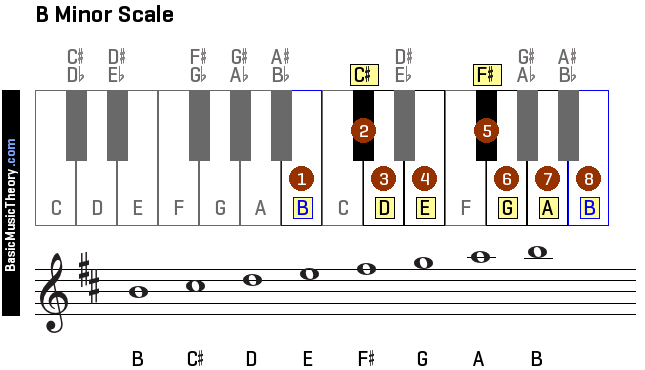 Welcome folks to the third instalment of the signature series and today’s key is B minor. Embedding sucks, so you have to go the CBC website and listen for yourself. :) The music and the play by play commentary make for an entertaining listening experience.
B minor: The Dark Romantic
Also known as:
The Gloomy Gus.
The Pessimist.
B minors you might know:
Werther from Goethe’s The Sorrows of Young Werther.
Jay Gatsby from The Great Gatsby.
Cliff Barnes from Dallas.
The notes: B – C♯ – D – E – F♯ – G – A♯ – B.
Number of sharps: two.
Relative major: D major.
What they said about B minor in the 18th and 19th centuries:
“Banished from music of good taste.” – Francesco Galeazzi, 1796
“Bitter, gloomy lamentation, on account of hard suffering … in these tones the shocked soul looks around exhausted and almost without hope.” – J. A. Schrader, 1827
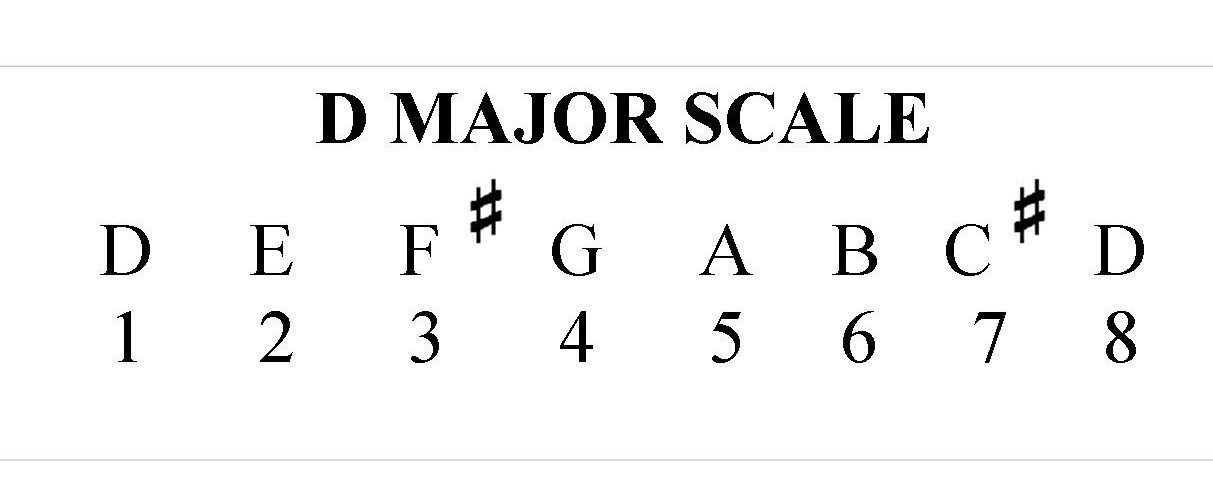 The signature series continues at CBC and here with D major. Follow the link and listen.
D major: Miss Congeniality
Also known as:
The Workaholic.
The Homecoming Queen.
D majors you might know:
The Goddess Athena from Greek mythology.
Oprah Winfrey.
Buffy the Vampire Slayer.
The notes: D – E – F♯ – G – A – B – C♯ – D.
Number of sharps: two.
Relative minor: B minor.
What they said about D major in the 18th century:
“The key of triumph, of Hallelujahs, of war-cries, of victory-rejoicing.” – Christian Schubart, 1784
“Enflames the heart. The spirit … is roused to impudent, joyful, even to somewhat boisterous songs of praise. Even the god of thunder has a claim to this key.” – Georg Joseph Vogler, 1779
More D major listening:
The Blue Danube by Johann Strauss, Jr.
Waltz of the Flowers from The Nutcracker by Tchaikovsky.
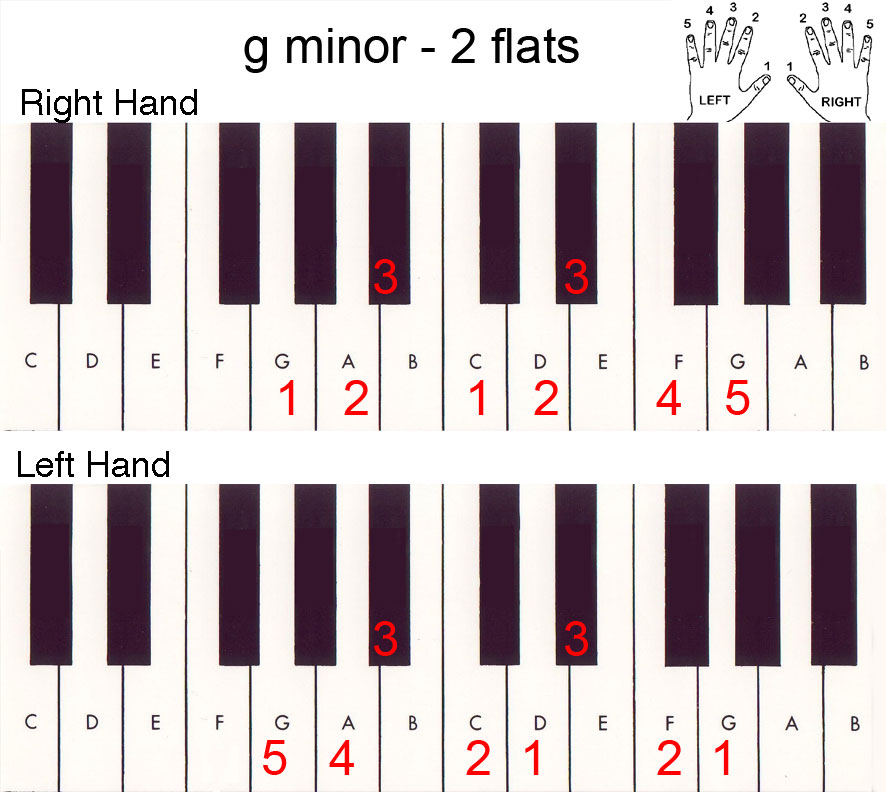 CBC radio 2 still has goodness left in it, witness the Signature Series. A string of programs that explore popular conceptions of music written in specific key signatures. Today’s interlude will feature the key of G minor and songs that are written in that specific key. The downside to this series is that the musical bits do not embed in wordpress properly, so you will have to go the CBC to listen to the music and enjoy the commentary. However, I can steal what is written about each key signature from the blog. Hence the copypasta below:
G minor: The Contrarian (follow link to play)
Also known as:
The Moody Teenager.
The Complicated Man.
G minors you might know:
Captain Ahab from Moby Dick.
Holden Caulfield from The Catcher in the Rye.
Pete Campbell from Mad Men.
The notes: G – A – B♭ – C – D – E♭ – F♯ – G.
Number of flats: two.
Relative major: B-flat major.
What they said about G minor in the 18th century:
“Discontent, uneasiness, worry about a failed scheme; bad-tempered gnashing of teeth; in a word: resentment and dislike.” – Christian Schubart, 1784
“It is suited to frenzy, despair, agitation.” – Francesco Galeazzi, 1796
More G minor listening:
Dido’s Lament from Dido and Aeneas by Henry Purcell.
Der Erlkönig by Franz Schubert.
The Canadian connection:
“Your Rocky Spine” by Great Lake Swimmers.











 bleatmop
 Mystro


 Dead Wild Roses
Your opinions…