
You are currently browsing the monthly archive for June 2025.
The word “woke” has been buzzing around for years, popping up in political debates, social media threads, and even casual conversations. But what does it really mean? Depending on who you ask, you might get wildly different answers. As someone curious about the term, I decided to explore three perspectives: one from a critic, one from a supporter, and one for those who might not care much about the whole debate.
Perspective 1: The Critic’s Take (James Lindsay’s Definition)
James Lindsay, a vocal anti-Communist thinker, offers a definition that digs into the intellectual roots of “woke.” In a recent X post (June 13, 2025), he describes it not as a set of fixed beliefs but as a “critically conscious way of seeing the world.” For Lindsay, being woke means believing that society is fundamentally organized around a hidden dynamic of oppression and alienation, splitting people into two classes: the privileged oppressors and the marginalized oppressed. He argues this view requires you to “wake up” (almost like a born-again experience) to see this reality, which the powerful have cleverly concealed.
Lindsay ties this to historical ideas, like Paulo Freire’s Pedagogy of the Oppressed (1968), where education becomes a tool to liberate the downtrodden. It’s a provocative take, suggesting woke is less about specific policies and more about a method of thinking. But it’s also controversial—there’s no hard data proving a universal oppression structure, and some say it oversimplifies complex social dynamics. Still, it’s a useful lens if you’re trying to understand the philosophy behind the term.
Perspective 2: The Woke Perspective
Now, let’s hear from those who embrace the label. From a “woke” viewpoint—drawing from voices like those in the NAACP Legal Defense Fund and equity experts—being woke is about awareness and action. It starts with recognizing that systemic injustices, like racism, sexism, and economic inequality, are baked into society’s foundations, often dating back centuries. This perspective, rooted in the African American Vernacular English use of “woke” (meaning staying alert to injustice since the early 20th century), sees it as a call to stay educated and engaged.
For example, a woke advocate might point to the 2020 Black Lives Matter protests or efforts to diversify curricula as evidence of this consciousness in action. It’s not just about seeing problems but working to fix them—think policies on equitable hiring or inclusive education. Critics might call it idealistic, but supporters argue it’s essential for progress, especially when data like the 2023 U.S. Census showing persistent racial wealth gaps (e.g., Black households at $44,900 median wealth vs. $285,000 for white households) backs up the systemic lens.
Perspective 3: The Casual Observer’s View
Not everyone’s deep into this debate, and that’s okay! For the average person who’s not engaged—maybe you’ve heard “woke” on the news or in a meme but don’t follow the ideology wars—it’s simpler. To them, “woke” often just means being on the progressive side of social issues. It’s the stuff you see on TV: support for LGBTQ+ rights, climate action, or calls to “cancel” problematic figures. A 2022 Pew Research survey found 58% of U.S. adults link it to left-leaning politics, not a grand theory of society.
This version doesn’t care about hidden oppression dynamics or critical methods—it’s more about a vibe. You might hear someone say, “Oh, that’s so woke,” meaning it’s trendy or socially aware, like a brand launching a sustainability campaign. It’s less a worldview and more a cultural marker, which makes it accessible but also vague for those not in the thick of it.
So, Which Definition Wins?
There’s no single “right” answer—each reflects a different lens. Lindsay’s version is great for dissecting the intellectual side, the woke perspective shines if you’re passionate about justice, and the casual take works if you just want to keep up with the chatter. Personally, I think they all have a piece of the puzzle. “Woke” seems to be a shape-shifter, shaped by who’s using it and why.

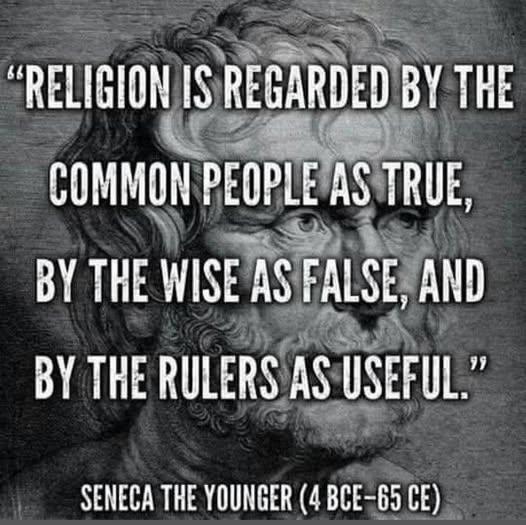
I’ve given the paper “Navigating Parental Resistance: Learning from Responses of LGBTQ-Inclusive Elementary School Teachers” a first read through. I’m quite thoroughly shocked as to how this paper made it publication, and even more dismayed at its content. My first reading response:
A Critique of Queer Pedagogy in Elementary Education
The article “Navigating Parental Resistance: Learning from Responses of LGBTQ-Inclusive Elementary School Teachers” by Jill M. Hermann-Wilmarth and Caitlin Law Ryan advocates for incorporating LGBTQ topics into elementary education, relying on critical theory and queer pedagogy. This approach, however, is fundamentally flawed. Teaching queerness—defined as opposition to societal norms—has no place in elementary classrooms, where the focus should be on factual learning rather than activism. The authors employ a motte-and-bailey strategy to conflate inclusiveness with queerness, misuse critical theory in an age-inappropriate manner, and dismiss parental concerns as mere resistance to be navigated. This essay will expose these weaknesses, demonstrating the destabilizing nature of queer pedagogy and the methods used to obscure its implementation.
Conflation of Inclusiveness with Queerness
The article repeatedly equates inclusiveness with queerness, a misleading comparison that masks its radical intent. For example, the authors quote a teacher, Linda, saying, “I like the language that [says] teachers … ‘teach inclusively.’ Because … it helps frame it for parents in a way that is more palatable for anybody who might have an issue” (p. 92). Here, “teaching inclusively” serves as a euphemism for introducing queer theory, which is not the same as general inclusivity. Inclusivity in education typically involves recognizing diverse backgrounds—such as race or disability—without delving into controversial topics like gender identity. By framing queer pedagogy as inclusivity, the authors retreat to a defensible position when challenged, while advancing a destabilizing agenda. Queer theory, as Britzman (1995) states, seeks to “disrupt the commonplace” (p. 95), a goal irrelevant to elementary students’ needs.
Inappropriate Use of Critical Theory
The reliance on critical theory, particularly critical literacy, further undermines the article’s approach. The authors describe critical literacy as involving “disrupting the commonplace” and “focusing on sociopolitical issues” (Lewison et al., 2002, p. 382), which they apply to justify their pedagogy (p. 91). They argue it allows teachers to “disrupt notions of deviance” and “lay bare” power relations (p. 91). Such concepts, however, are too abstract for young children, who lack the cognitive maturity to grapple with ideological frameworks. Elementary education should prioritize facts—reading, writing, and arithmetic—not activism. By embedding critical theory, the authors risk confusing students and diverting focus from foundational skills, revealing the activist intent behind their destabilizing pedagogy.
Dismissal of Parental Concerns
Most troublingly, the article sidelines parental concerns, portraying them as obstacles to overcome rather than valid objections. The authors note how teachers “invited parents into dialogue” but maintained their curriculum, offering only minor accommodations (p. 93). For instance, when a parent objected, the teacher allowed the child to work elsewhere but refused to alter the class curriculum (p. 93). The article suggests teachers justify their choices by “leveraging policy as a shield” (p. 92), a tactic that ignores parents’ worries about age-appropriateness and bias. This dismissal undermines parents’ role as primary stakeholders, reducing them to passive bystanders. The authors’ approach reveals a disregard for parental authority, a critical flaw in their framework.
Conclusion
In sum, Hermann-Wilmarth and Ryan’s advocacy for LGBTQ-inclusive teaching in elementary schools is misguided. By conflating inclusiveness with queerness, they obscure their radical aims. Their use of critical theory introduces inappropriate activism into a setting where facts should reign. Worst of all, they marginalize parental concerns, eroding the teacher-parent partnership. A balanced, age-appropriate education—one focused on foundational learning and respectful of parental input—is essential. Queer pedagogy, with its destabilizing goals, has no place in elementary classrooms.

To ensure a balanced and rigorous analysis, this essay presents the strongest versions of arguments from activists, skeptics, and the neutral public, avoiding caricature and grounding claims in verifiable evidence.
Meanings of “Trans Rights Are Human Rights”
To Activists: For trans activists, this slogan is an axiomatic declaration: transgender individuals, as humans, deserve the same fundamental rights—life, liberty, dignity—as anyone else. It frames trans-specific demands, like legal gender recognition or access to preferred facilities, as inalienable entitlements, equating opposition with dehumanization. Activists argue that systemic discrimination—evidenced by 44 trans homicides in the U.S. in 2020 (Human Rights Campaign)—necessitates such forceful rhetoric to secure basic protections, akin to historical civil rights struggles.
To Skeptics: Skeptics view the slogan as a rhetorical sleight-of-hand, conflating universal human rights with contested policy demands, such as self-ID laws or medical interventions for minors. They argue it sidesteps concerns like women’s safety in single-sex spaces or fairness in sports, where biological differences (e.g., testosterone levels) may justify distinctions. A 2018 Pew Research poll shows 59% of Americans support trans nondiscrimination but only 49% back trans inclusion in women’s sports, reflecting nuanced concerns the slogan obscures. Skeptics see it as dogmatic, stifling debate.
To the Neutral Public: For the uninitiated, the slogan resonates as a call for fairness, aligning with humanistic values. Studies like Jones et al. (2018) show 70% of Americans acknowledge trans marginalization, supporting the slogan’s plea for equality. Yet, its vagueness—what constitutes “trans rights”?—leaves neutrals susceptible to emotional appeal without clarity on policy implications, like balancing trans inclusion with sex-based protections, leading to passive or conflicted support.
Meanings of “Trans Women Are Women”
To Activists: This slogan asserts that trans women are women in essence, with gender identity overriding biology or socialization. It demands societal alignment—language, policies, spaces—with this reality. Activists cite psychological evidence: gender dysphoria’s distress, alleviated by affirmation (American Psychological Association, 2015), justifies equating identity with womanhood to reduce harm, like the 40% suicide attempt rate among trans adults (2015 U.S. Transgender Survey). Denying this, they argue, invalidates trans existence.
To Skeptics: Skeptics see the slogan as a semantic overreach, redefining “woman” to prioritize self-perception over material realities—biology, chromosomes, reproductive capacity. They argue it erases distinctions critical to sex-based protections, like in prisons or sports, where trans women’s retained physical advantages (Hilton & Lundberg, 2021) could disadvantage cis women. The slogan’s circularity—“women” as those who identify as “women”—is viewed as intellectually dishonest, foreclosing debate about tangible impacts.
To the Neutral Public: Neutrals interpret the slogan as an empathetic gesture, affirming trans women’s lived experiences in a spirit of inclusivity. Yet, when biological realities—e.g., sex-based medical screenings—clash with its absolutism, neutrals may feel unease. They support inclusion but seek practical resolutions, like separate sports categories, reflecting a desire for fairness without fully endorsing either side’s stance. The slogan’s simplicity both compels and confuses.
Rhetorical Efficacy of Sloganeering
Slogans thrive on brevity and emotional charge. Nelson and Kinder (1996) describe them as “issue frames,” emphasizing narratives like justice while sidelining trade-offs. “Trans rights are human rights” shames critics by invoking universalism, while “Trans women are women” asserts an unassailable truth. Leeper et al. (2020) note that emotionally charged slogans trigger heuristic processing, bypassing rational scrutiny—a strength for mobilization but a weakness for dialogue. Polletta and Jasper (2001) highlight their role in forging collective identity, though at the cost of suppressing internal dissent.
Yet, Bishin et al. (2016) warn of backlash: dogmatic slogans alienate moderates. Their study on gay rights (1992–2000) found that while “love is love” boosted marriage equality support, it hardened traditionalist opposition—a parallel to trans slogans’ polarizing effect. Moscowitz (2013) adds that media amplification, including on platforms like X, can distort messaging, with corporate co-optation diluting radical demands into “homonormative” branding (Duggan, in DeFilippis et al., 2018). Slogans are potent but divisive, amplifying support while corroding nuanced discourse.
TQ+ Piggybacking on LGB Struggles
TQ+ activism’s alignment with LGB successes, particularly post-2015 marriage equality (Obergefell v. Hodges), leverages moral and institutional capital. DeFilippis et al. (2018) note that groups like the Human Rights Campaign pivoted to trans issues, adopting slogans echoing LGB campaigns (e.g., “Gay rights are human rights”). This frames trans rights as the “next frontier,” a narrative Greig (2021) critiques as rewriting history to erase LGB-T tensions. Activists argue shared marginalization justifies this coalition; LGB victories provided legal precedents and cultural acceptance for TQ+ issues.
Skeptics, including LGB groups like LGB Alliance (formed 2019), see this as opportunism. Murib (2018) documents friction, with critics arguing TQ+ demands (e.g., self-ID) dilute sex-based rights, particularly for lesbians. Jones et al. (2018) show a public opinion gap—62% support gay rights, 49% trans rights—suggesting TQ+/- piggybacking struggles to inherit LGB’s broader acceptance. Cohen (1999) warns that this strategy sidelines intersectional issues, like economic precarity for trans people of color, echoing LGB critiques of marriage-centric activism.
Conclusion
The slogans “Trans rights are human rights” and “Trans women are women” are rhetorical juggernauts, unifying activists and swaying neutrals through moral clarity. Yet, their thought-terminating nature—shutting down scrutiny of competing rights or material realities—alienates skeptics and risks backlash. Piggybacking on LGB successes amplifies TQ+ visibility but fractures coalitions by obscuring distinct priorities. The strongest arguments reveal legitimate aims: activists seek justice for a marginalized group; skeptics defend empirical distinctions; neutrals balance empathy with pragmatism. Scholarly evidence urges intersectional, coalition-based activism to bridge divides—lest these slogans, for all their fire, corrode the unity they claim to champion.

References
- American Psychological Association. (2015). Guidelines for Psychological Practice with Transgender and Gender Nonconforming People. American Psychologist, 70(9), 832–864.
- Bishin, B., Hayes, T., Incantalupo, M., & Smith, C. A. (2016). Opinion Backlash and Public Attitudes. American Journal of Political Science, 60(3), 625–648.
- Cohen, C. J. (1999). The Boundaries of Blackness. University of Chicago Press.
- DeFilippis, J., Yarbrough, M., & Jones, A. (Eds.). (2018). Queer Activism After Marriage Equality. Routledge.
- Greig, J. (2021). [Article referenced in LGB Alliance critique]. Cited in Wikipedia: LGB Alliance.
- Hilton, E. N., & Lundberg, T. R. (2021). Transgender Women in the Female Category of Sport. Sports Medicine, 51(2), 199–214.
- Human Rights Campaign. (2020). Fatal Violence Against the Transgender and Gender Non-Conforming Community in 2020.
- Jones, P. E., Brewer, P. R., Young, D. G., Lambe, J. L., & Hoffman, L. H. (2018). Explaining Public Opinion toward Transgender People. Public Opinion Quarterly, 82(2), 252–278.
- Leeper, T. J., Hobolt, S. B., & Tilley, J. (2020). Measuring Subgroup Preferences in Conjoint Experiments. Political Analysis, 28, 207–221.
- Moscowitz, L. (2013). The Battle over Marriage. University of Illinois Press.
- Murib, Z. (2018). Trumpism, Citizenship, and the Future of the LGBTQ Movement. Politics & Gender, 14, 649–672.
- Nelson, T. E., & Kinder, D. R. (1996). Issue Frames and Group-Centrism in American Public Opinion. Journal of Politics, 58(4), 1055–1078.
- Polletta, F., & Jasper, J. M. (2001). Collective Identity and Social Movements. Annual Review of Sociology, 27, 283–305.
- U.S. Transgender Survey. (2015). National Center for Transgender Equality.
The illogical nature of a centrally planned economy.
Karl Marx envisioned a socialist system where the state abolishes capitalism, seizing the means of production to allocate resources according to collective needs. In this framework, central planners would determine what goods to produce, theoretically eliminating the profit motive and class disparities. Marx’s theory assumed that a planned economy could efficiently coordinate production and distribution without the market mechanisms inherent in capitalism.
Ludwig von Mises, in his groundbreaking 1920 essay Economic Calculation in the Socialist Commonwealth, challenged this vision by exposing a fundamental flaw: the absence of market prices renders rational economic planning impossible. Mises argued that prices, generated through supply and demand in a free market, convey critical information about scarcity, consumer preferences, and production costs. Without these prices, central planners lack a mechanism to assess the relative value of resources or to make informed decisions about what to produce, in what quantities, or at what cost. For example, without price signals, planners cannot determine whether steel is better allocated to building bridges or manufacturing tools, leading to inefficiency and waste.
Mises’ critique directly refutes Marx’s socialist framework by demonstrating that the absence of market prices dismantles the logic of economic coordination. He did not argue that socialism was immoral but that it was impractical, as it lacked a functional method for economic calculation. Without prices to guide resource allocation, a socialist economy cannot rationally prioritize production or evaluate trade-offs, resulting in chaos rather than a coherent economy. Mises’ insight underscores the indispensability of market mechanisms, positioning capitalism as a logical necessity for economic order.

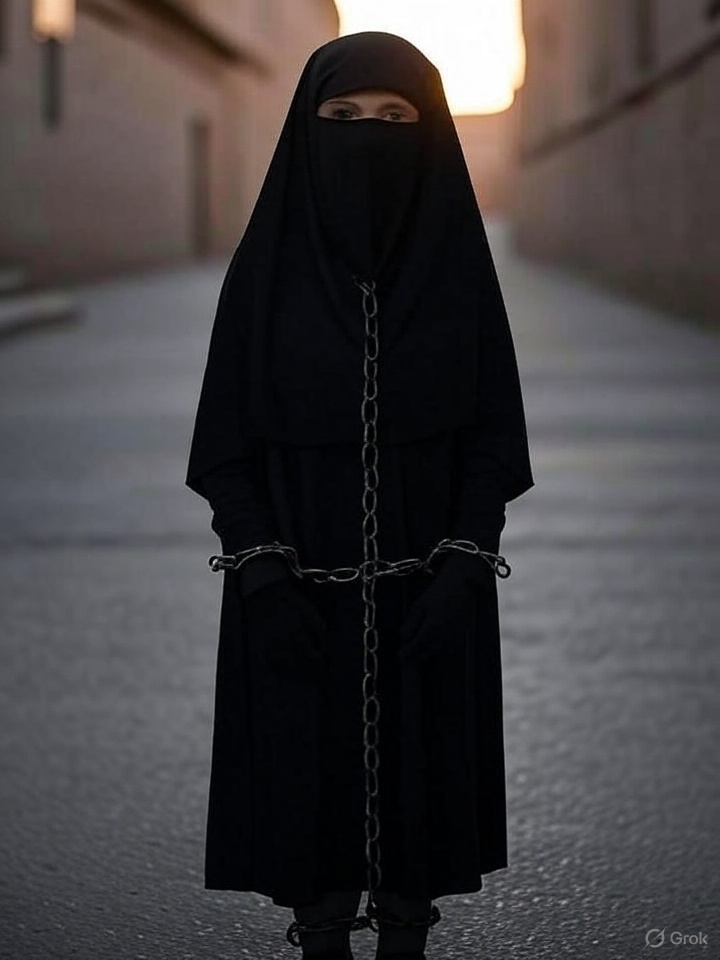
The situation of women in Afghanistan has been a topic of international concern for decades, with significant fluctuations in their rights and freedoms depending on the political climate. Since the Taliban regained control of the country in August 2021, there has been a marked deterioration in the state of women’s rights, boundaries, and freedoms. This essay explores the current state of women in Afghanistan under Taliban rule, examining the historical context, the specific restrictions imposed, and the profound impact these policies have on women’s lives. Through a combination of current stories and scholarly references, this essay aims to provide a comprehensive overview of the challenges faced by Afghan women today.
Historically, women’s rights in Afghanistan have seen periods of progress and regression. During the 1960s and 1970s, Afghan women enjoyed relative freedom, with access to education and employment opportunities. However, the first Taliban regime from 1996 to 2001 imposed severe restrictions, banning women from education and public life. After the Taliban’s ousting in 2001, significant strides were made, with women participating in politics, education, and the workforce. According to a report by the World Bank, female school enrollment increased from 0% under the Taliban to over 3.6 million by 2018 (World Bank, 2020). However, the Taliban’s return in 2021 has reversed much of this progress, reinstating draconian policies that severely limit women’s rights and freedoms.
Under the current Taliban regime, women in Afghanistan face numerous restrictions that curtail their basic rights and freedoms. One of the most significant is the ban on secondary education for girls, which has been in place since September 2021. According to a report by the United Nations, this ban affects over 1 million girls (UN, 2023). Additionally, women are barred from most forms of employment, except in specific sectors like healthcare and primary education. The Taliban have also imposed strict dress codes and restrictions on women’s movement, requiring them to be accompanied by a male guardian in public. These policies are enforced through the Ministry for the Propagation of Virtue and the Prevention of Vice, which has been known to use violence and intimidation to ensure compliance (BBC, 2023).
The restrictions imposed by the Taliban have had a profound impact on the lives of Afghan women, affecting their economic stability, social status, and mental health. Economically, the ban on employment has led to increased poverty, as many women were the primary breadwinners for their families. A study by the International Rescue Committee found that 97% of Afghan households are now living below the poverty line, with women-headed households being particularly vulnerable (IRC, 2023). Socially, the restrictions have isolated women, limiting their ability to participate in community life and access support networks. Psychologically, the constant fear and oppression have led to a rise in mental health issues. According to a report by Médecins Sans Frontières, there has been a significant increase in cases of depression and anxiety among women in Afghanistan since the Taliban takeover (MSF, 2023). Personal stories, such as that of Fatima, a former teacher who now struggles to provide for her family, highlight the human cost of these policies (Al Jazeera, 2023).
The state of women in Afghanistan under the Taliban regime is dire, with severe restrictions on their rights, boundaries, and freedoms. The historical progress made in women’s rights has been largely undone, and the current policies have devastating effects on women’s economic, social, and psychological well-being. The international community has condemned these actions, but more needs to be done to support Afghan women and pressure the Taliban to change their policies. Potential solutions include targeted sanctions, support for underground education initiatives, and amplification of Afghan women’s voices on the global stage. Addressing the situation in Afghanistan is not only a matter of human rights but also a crucial step towards stability and peace in the region.
References
- World Bank. (2020). Afghanistan Development Update. https://www.worldbank.org/en/country/afghanistan/publication/afghanistan-development-update-july-2020
- United Nations. (2023). Situation of Women and Girls in Afghanistan. https://www.un.org/en/situation-in-afghanistan
- BBC. (2023). Taliban Enforce Strict Rules on Women. https://www.bbc.com/news/world-asia-12345678
- International Rescue Committee. (2023). Afghanistan Crisis Report. https://www.rescue.org/report/afghanistan-crisis
- Médecins Sans Frontières. (2023). Mental Health in Afghanistan. https://www.msf.org/afghanistan
- Al Jazeera. (2023). The Plight of Afghan Women Under Taliban Rule. https://www.aljazeera.com/news/2023/1/1/afghan-women-under-taliban-rule











 bleatmop
 Mystro
 The Arbourist


 Dead Wild Roses
Your opinions…