
You are currently browsing the category archive for the ‘Medicine’ category.
A recent review by the Department of Health and Human Services explores the evidence and best practices for treating pediatric gender dysphoria, a condition where children and teens experience distress related to their sex or its social expectations. As more young people identify as transgender or nonbinary, the U.S. has widely adopted the “gender-affirming” care model, which includes social affirmation, puberty blockers, hormones, and surgeries. However, this approach is under scrutiny internationally due to its experimental nature and potential risks, prompting this review to clarify the evidence for policymakers, clinicians, and families.
Background: Rising Diagnoses, Diverging Approaches
The review highlights a sharp increase in gender dysphoria diagnoses among youth, with the U.S. favoring a “gender-affirming” model that prioritizes medical interventions. This approach, originally developed for adults with poor outcomes, was extended to minors before robust outcome data emerged. Internationally, there’s no consensus—some countries, like the UK, have restricted puberty blockers and hormones for minors, citing insufficient evidence of safety and efficacy, and now emphasize psychosocial support instead.
Evidence Review: Weak Benefits, Known Risks
An “umbrella review” of systematic reviews found that evidence supporting the benefits of medical treatments—like improved psychological outcomes or quality of life—is of very low quality, suggesting reported benefits may not hold up. Evidence on harms is limited, partly due to short follow-ups and poor tracking, but established risks include infertility, sexual dysfunction, bone density issues, cognitive effects, cardiovascular and metabolic disorders, psychiatric conditions, surgical complications, and regret. This gap between uncertain benefits and clearer risks calls for caution.
Clinical Realities: Guidelines and Practice Under Fire
Influential U.S. guidelines from WPATH and the Endocrine Society lack rigor, with WPATH accused of suppressing systematic reviews and loosening standards under political pressure. Many U.S. gender clinics bypass even these permissive guidelines, often limiting mental health assessments to brief sessions. Whistleblowers and detransitioners report serious risks and harms, but their concerns are frequently ignored, revealing a disconnect between practice and evidence-based care.
Ethics and Alternatives: Caution and Psychotherapy
Ethically, while patients can refuse treatments, they aren’t entitled to unproven ones, and clinicians should avoid interventions with disproportionate risks. The review finds no evidence that medical transition reduces suicide rates, which are low and tied more to comorbidities than gender dysphoria itself. Psychotherapy emerges as a noninvasive option, with systematic reviews showing no adverse effects, yet it’s understudied due to misconceptions. The review urges more research and a careful approach to pediatric care.
To argue that Amy Hamm was subjected to a “public struggle session” by her professional association, we can draw on Robert Jay Lifton’s framework from *Thought Reform and the Psychology of Totalism* and apply it to her situation, based on what is publicly known and inferred about her case. Amy Hamm, a Canadian nurse and columnist, faced disciplinary action from the British Columbia College of Nurses and Midwives (BCCNM) due to her gender-critical views expressed online, particularly her support for J.K. Rowling and her stance against aspects of transgender ideology. Using Lifton’s eight criteria, here’s how the case can be constructed:
1. **Milieu Control**: The BCCNM reportedly initiated an investigation into Hamm’s off-duty social media posts and writings, extending its authority into her private life. By publicizing the complaint process and framing it as a professional misconduct issue, the association controlled the narrative. Hamm’s ability to respond was likely constrained by confidentiality rules or legal pressure, creating an environment where her voice was sidelined while the association’s perspective dominated public perception.
2. **Mystical Manipulation**: The disciplinary action was cloaked in the higher purpose of “protecting the public” or upholding “professional standards,” a common justification in totalistic systems. The BCCNM’s vague allegations of “discrimination” or “harm” (terms often cited in such cases) suggest an orchestrated effort to portray Hamm’s views as inherently dangerous, lending the process an almost ritualistic weight—her punishment serving as a warning to others.
3. **Demand for Purity**: Hamm’s gender-critical stance was treated as a moral failing, incompatible with the nursing profession’s ideological purity. The association’s standards, likely aligned with progressive orthodoxy on gender, positioned her as “impure” for questioning transgender policies or biology-based definitions of sex. This binary framing—conform or be condemned—mirrors the totalistic demand for absolute allegiance.
4. **Cult of Confession**: While no public record shows Hamm being forced to confess verbatim, the disciplinary process inherently pressured her to recant or apologize. The BCCNM’s investigation, dragging on for years (initiated around 2020 and still unresolved by late 2023 per public reports), implies a coercive intent: submit to re-education or face professional ruin. Struggle sessions thrive on this dynamic—publicly breaking the individual through prolonged scrutiny until they yield.
5. **Sacred Science**: The association’s policies on inclusivity and anti-discrimination were treated as infallible truths, beyond critique. Hamm’s dissent—rooted in biological or feminist arguments—was dismissed as unprofessional rather than engaged as a legitimate viewpoint. This reflects Lifton’s notion of an unchallengeable doctrine, where the BCCNM’s interpretation of “safe care” became a sacred, unquestionable standard.
6. **Loading the Language**: Terms like “harmful conduct,” “unprofessional behavior,” or “breach of trust” were likely deployed against Hamm, as seen in similar regulatory cases. These loaded phrases, vague yet damning, stifle debate and cast her as a villain without requiring the association to prove tangible harm. In struggle sessions, such language turns the accused into a symbol of evil, rallying collective condemnation.
7. **Doctrine Over Person**: Hamm’s individual context—her reasoned arguments, her off-duty status, her intent—was subordinated to the BCCNM’s ideological framework. Her personal experience as a nurse and mother advocating for women’s rights was irrelevant; the doctrine of mandatory alignment with transgender affirmation took precedence, erasing her humanity in favor of compliance.
8. **Dispensing of Existence**: By subjecting Hamm to a prolonged, public disciplinary process, the BCCNM effectively marked her as unfit to exist within the profession unless she conformed. The threat of license revocation or public censure (amplified by media coverage and online backlash) mirrors the totalistic expulsion of dissenters. She was symbolically “dispensed with” as a legitimate member of the nursing community.
The “public” element of the struggle session is evident in how the case played out beyond closed doors. The BCCNM’s investigation wasn’t a quiet internal matter; it drew attention from activists, media, and Hamm’s supporters, turning it into a spectacle. Public statements from the college (even if minimal) and the ensuing social media firestorm—where Hamm faced vilification from trans advocates—amplified the humiliation. This aligns with Maoist struggle sessions, where the accused is paraded before a crowd, denounced, and forced to endure collective judgment. The years-long ordeal, coupled with the lack of clear resolution, suggests not just punishment but a deliberate attempt to break her resolve, a hallmark of totalistic control.
In conclusion, the BCCNM’s actions against Amy Hamm can be framed as a modern struggle session: a public, performative exercise in ideological enforcement, leveraging Lifton’s thought-reform tactics to humiliate, isolate, and coerce her into submission. The process wasn’t just about regulating conduct—it was a ideological purge, staged to deter others and uphold a totalistic vision of professional conformity.

Amy Hamm, a registered nurse with 13 years of experience, was recently fired by Vancouver Coastal Health following a ruling by the British Columbia College of Nurses and Midwives (BCCNM) that deemed her guilty of “professional misconduct.” Her termination stemmed from her public advocacy for sex-based rights, including her co-sponsorship of a 2020 billboard stating “I love JK Rowling” and her statements asserting that biological sex distinctions matter, particularly in contexts like women’s private spaces. This decision has sparked widespread debate, with critics arguing that her firing represents a severe overreach by her professional organization, punishing her for exercising free speech rather than any failure in her nursing duties.
The BCCNM’s investigation, which spanned over four years, focused on Hamm’s off-duty comments made in articles and a podcast where she identified as a nurse. The disciplinary panel labeled her statements about transgender issues as “discriminatory and derogatory,” claiming they undermined trust in the nursing profession. However, Hamm and her supporters contend that her views—rooted in the belief that biological sex is immutable—were not only unrelated to her professional conduct but also reflect a scientifically grounded perspective. The panel’s ruling, followed by her immediate dismissal without severance, raises questions about whether the BCCNM prioritized ideological conformity over fairness and evidence.
Hamm’s mistreatment highlights a broader issue of professional organizations stifling dissent under the guise of maintaining public trust. Her case suggests that nurses and other regulated professionals in Canada may face severe repercussions for expressing personal opinions, even outside their workplace, if those views clash with prevailing social narratives. The Justice Centre for Constitutional Freedoms, which supported Hamm legally, decried the ruling as a blow to free expression, arguing that it sets a chilling precedent for others in similar positions. This punitive approach effectively silences debate on contentious issues, forcing professionals to self-censor or risk their livelihoods.
 The decision to fire Hamm also appears disproportionate when considering her exemplary record as a nurse. No evidence was presented that her views impacted her patient care or professional performance; instead, the BCCNM focused solely on the perceived social implications of her statements. This disconnect between her job performance and the punishment meted out underscores a troubling trend: professional bodies acting as arbiters of personal belief rather than guardians of competence. Hamm’s termination without severance after 13 years of service further amplifies the perception of vindictiveness, suggesting an intent to make an example of her rather than address any tangible harm.
In the aftermath, Hamm has vowed to continue speaking out, supported by figures like JK Rowling and a growing chorus of advocates for free speech and women’s rights. Her case exposes the fragility of individual rights within Canada’s regulatory frameworks and the potential for professional organizations to wield unchecked power against those who challenge orthodoxy. As Hamm faces a possible appeal, her ordeal serves as a stark warning: the mistreatment she endured—being fired for her convictions—may foreshadow a future where intellectual freedom is sacrificed for institutional control, leaving professionals vulnerable to ideological purges.
High-trust societies are defined by robust interpersonal trust and shared ethical norms, enabling seamless cooperation and social stability. These societies rely on transparent governance, respected legal systems, and an unspoken confidence that individuals and institutions will act with integrity. This trust fuels efficiency—people leave doors unlocked or engage in transactions with minimal suspicion. In contrast, low-trust societies lack this cohesion, marked by skepticism, weak institutions, and reliance on tight-knit groups like family. Corruption and self-preservation dominate, stalling broader societal progress as trust remains scarce outside personal circles.
The 2025 incident involving two Australian Muslim nurses, Sarah Abu Lebdeh and Ahmad Rashad Nadir, at Bankstown Hospital exemplifies a severe breach of trust in a high-trust society. Caught on a viral video threatening to harm or refuse treatment to Israeli patients, their statements shattered the assumption that healthcare professionals prioritize care over prejudice. In Australia, where patients entrust their lives to medical staff without hesitation, this betrayal undermines confidence in a cornerstone institution. The public backlash and swift suspension reflect the shock of such behavior in a system built on mutual reliability.
This breach highlights why high-trust societies must impose strong sanctions. When trust is compromised, the fallout threatens social and economic harmony, as people question the safety of once-reliable systems. The nurses’ actions prompted criminal charges—threatening violence and menacing communication—carrying potential decades-long sentences, alongside professional bans. Such measures deter future violations and reaffirm societal standards. Without them, trust could erode, pushing Australia toward the inefficiencies and wariness of low-trust environments, where institutional faith is perpetually in doubt.
In low-trust societies, such threats might be shrugged off as routine bravado, met with cynicism rather than accountability. But in high-trust contexts, the expectation of integrity amplifies the need for a firm response. The nurses’ remarks, even if hyperbolic, exploit the openness of a trusting system, risking a broader chilling effect if unpunished. Australia’s reaction—legal action, political condemnation, and ongoing investigations—aims to preserve its high-trust framework, signaling that such behavior is anathema to its values.
Ultimately, strong sanctions in high-trust societies like Australia are vital to protect their fragile ecosystem of trust. The 2025 Bankstown incident underscores the stakes: tolerating such breaches could unravel the mutual reliance that distinguishes high-trust from low-trust worlds. By prosecuting the nurses and reinforcing ethical boundaries, Australia defends the trust that underpins its social order. This resolute stance ensures that the benefits of a high-trust society—cooperation, safety, and prosperity—endure against those who would exploit its openness.

The British Columbia College of Nurses and Midwives (BCCNM) Discipline Committee’s ruling against Amy Hamm on March 13, 2025, represents a significant setback for women and their freedom of speech in Canada. By disciplining Hamm—a nurse and vocal advocate for sex-based rights—for her gender-critical statements, the decision effectively punishes women who challenge prevailing transgender ideology, particularly when it encroaches on female-only spaces and identities. This ruling not only silences a woman defending biological reality and women’s rights but also signals to others that expressing such views, even off-duty, risks professional ruin, disproportionately chilling female voices in a debate where they have a unique stake.
The 115 page document is a bit of a read, so here are the main points, and a refutation right after.
5-Point Summary of Evidence Supporting the BCCNM Decision
- Discriminatory Statements Linked to Professional Identity: The panel found that Hamm made “discriminatory and derogatory” statements about transgender people across online platforms (e.g., articles, podcasts) between July 2018 and March 2021, while explicitly identifying herself as a nurse or nurse educator. This nexus to her profession was key, as it was seen to undermine the nursing profession’s reputation.
- Violation of Professional Standards: The BCCNM argued that Hamm’s statements breached the College’s Code of Ethics and Professional Standards, which require nurses to provide care without discrimination and uphold public trust. The panel agreed that her public comments contradicted these obligations.
- Intent to Harm Reputation of Transgender Community: The ruling highlighted that Hamm’s statements were designed to “elicit fear, contempt, and outrage” against transgender individuals, particularly by denying their existence (e.g., rejecting gender identity as a concept). This was deemed unprofessional and harmful.
- Specific Instances of Misconduct: The panel pinpointed four instances (Tabs 4, 24, 28, and S3 from the evidence extract) where Hamm’s comments—tied to her nursing identity—were ruled as crossing the line into professional misconduct. These included writings and a podcast appearance explicitly linked to her role as a nurse.
- Public Role and Accountability: By leveraging her professional credentials in public discourse, Hamm was held to a higher standard. The panel concluded that her actions damaged the integrity of the nursing profession, justifying regulatory intervention despite her off-duty status.
Refutation of the Evidence
- Freedom of Expression Overreach: Hamm and her legal team, supported by the Justice Centre for Constitutional Freedoms (JCCF), argued that her statements were protected under the Canadian Charter of Rights and Freedoms (Section 2(b)). The panel’s ruling infringes on her right to express personal views—especially on a contested public issue like gender ideology—without evidence of direct harm to patients or professional practice.
- No Nexus to Professional Conduct: The defense contended that Hamm’s statements lacked a sufficient connection to her nursing duties. Most of her online activity (e.g., Twitter posts) did not explicitly tie her nurse identity to the comments, and the panel itself declined to find misconduct in those cases. Penalizing her for a handful of instances where she mentioned her profession stretches regulatory authority too far.
- Scientific and Reasonable Basis: Hamm’s rejection of gender identity as a “mystical belief” aligns with biological reality (sex as immutable) and is a defensible stance in scientific debate. The panel’s characterization of this as “discriminatory erasure” imposes an ideological litmus test, punishing her for not conforming to transgender advocacy rather than for any professional failing.
- Lack of Demonstrable Harm: There was no evidence presented that Hamm’s statements caused tangible harm to transgender individuals or compromised her nursing practice. The BCCNM’s case relied on hypothetical reputational damage to the profession, which the defense argued is too vague to justify discipline—especially given the public’s varied views on gender issues.
- Regulatory Overreach and Precedent: The ruling sets a dangerous precedent for all regulated professionals, chilling free speech by suggesting that any controversial opinion expressed publicly, if tied to one’s job title, can trigger discipline. Hamm’s advocacy for women’s sex-based rights (e.g., supporting J.K. Rowling) is a legitimate political stance, not a professional lapse, and the BCCNM’s intervention risks turning regulators into arbiters of acceptable thought.
This ruling underscores a tension between professional regulation and personal expression, with particular implications for women like Hamm who advocate for sex-based rights.
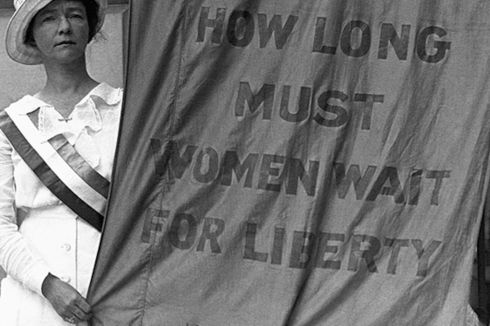
The decision against Amy Hamm, detailed in the Justice Centre for Constitutional Freedoms document from March 13, 2025, casts a shadow over the rights of women to speak freely. As a nurse, Hamm faced professional misconduct charges for sharing gender-critical views, a ruling that suggests her words were too heavy a burden for her profession to bear. This outcome feels like a quiet wound to women who rely on open expression to navigate a world that often overlooks their perspectives. It raises a somber question: if a woman’s honest thoughts can cost her livelihood, what space remains for her to speak without fear?
Women’s rights depend so much on the ability to voice what matters—whether it’s about their bodies, their work, or the policies that shape their lives. The Hamm case hints at a troubling pattern: when women step outside accepted lines, even thoughtfully, they risk being muted by those meant to protect fairness. It’s disheartening to think that a nurse, someone who cares for others daily, could be penalized not for her actions but for her words. This doesn’t just touch Hamm—it brushes against every woman who hesitates to speak up, wondering if her voice might carry too high a price.
Please, let’s hold onto the simple truth that free speech is a lifeline for women. I ask for a gentler approach, one that doesn’t rush to punish but listens instead. Hamm’s story shouldn’t end with her silence; it should remind us to safeguard the right of women to express themselves, even when it’s hard to hear. We need a world where women like her can share their views—raw, real, and human—without losing what they’ve worked so hard to build. That’s not too much to hope for, is it?












 bleatmop
 Mystro


 Dead Wild Roses
Your opinions…