
You are currently browsing the tag archive for the ‘Authoritarianism’ tag.
Bill C-9, officially titled the Combatting Hate Act and introduced in September 2025, amends the Criminal Code to address rising hate crimes by creating new offences, codifying a definition of “hatred,” and streamlining prosecutions. Key provisions include a new hate-motivated crime offence applicable to any Criminal Code violation (potentially carrying enhanced penalties, including life imprisonment in severe cases), criminalizing the willful promotion of hatred through public display of certain hate or terrorism symbols, and removing the requirement for Attorney General consent in hate propaganda cases. The bill also introduces offences for intimidating or obstructing access to places of worship, schools, or community centres used by identifiable groups. While presented as a response to increased antisemitism, Islamophobia, and other hatreds, critics argue it expands state power over expression in ways that threaten fundamental freedoms.
A particularly alarming development is the proposed amendment—supported by the Liberals in a deal with the Bloc Québécois—to repeal section 319(3)(b) of the Criminal Code. This longstanding defence protects individuals from conviction for wilfully promoting hatred if, in good faith, they express an opinion on a religious subject or based on a religious text. Removing it would expose pastors, priests, imams, and everyday believers to prosecution for faithfully teaching or quoting sacred scriptures on contentious issues like marriage, sexuality, or morality. The Canadian Conference of Catholic Bishops has warned that this risks criminalizing core religious doctrine, disproportionately targeting Christianity’s traditional teachings while undermining freedom of religion under the Charter.
Beyond religious discrimination, Bill C-9 erodes cognitive liberty—the right to hold and express unpopular thoughts without fear of state punishment—and free speech more broadly. By codifying a definition of “hatred” as detestation or vilification (explicitly stating it does not include mere dislike, disdain, or offence), the bill arguably lowers the high bar set by Supreme Court precedents like R. v. Keegstra and Whatcott, potentially chilling debate on public issues. Removing Attorney General oversight for prosecutions invites politically motivated charges, while broad new offences around symbols and obstruction could capture peaceful protest or artistic expression, despite carve-outs for legitimate purposes like education or journalism.
This bill exemplifies a broader authoritarian drift in Canada, where the state increasingly polices thought and belief under the guise of combating hate. Existing laws already prohibit incitement to violence and genuine hate propaganda; expanding them risks turning disagreement into crime and faith into liability. Cognitive liberty demands that Canadians can think, speak, and worship freely, even when offensive to others—yet Bill C-9 subordinates these rights to subjective interpretations of “hatred.”
As Parliament debates this legislation amid reports of a Liberal-Bloc agreement to strip religious protections, citizens must demand its rejection or substantial amendment. True tolerance protects unpopular speech, including religious conviction; suppressing it paves the way for tyranny. Canada’s Charter promises freedom of conscience, religion, thought, and expression—Bill C-9 puts them all at grave risk.

References
- Official text of Bill C-9: https://www.parl.ca/DocumentViewer/en/45-1/bill/C-9/first-reading
- Department of Justice summary: https://www.justice.gc.ca/eng/csj-sjc/pl/c9/index.html
- Charter Statement on Bill C-9: https://www.justice.gc.ca/eng/csj-sjc/pl/charter-charte/c9_2.html
- Canadian Conference of Catholic Bishops on religious exemption removal (December 2025): https://www.cccb.ca/media-release/proposed-restrictions-on-religious-freedom-bill-c-9/
- CBC News on Bloc-Liberal deal to remove religious defence (December 2025): https://www.cbc.ca/news/politics/c9-hate-speech-religion-9.7001891
- National Post on implications for faith (December 2025): https://nationalpost.com/opinion/changes-to-bill-c-9-arent-combating-hate-theyre-criminalizing-faith
- LEGISinfo page for Bill C-9: https://www.parl.ca/legisinfo/en/bill/45-1/c-9
- Canadian Civil Liberties Association concerns: https://ccla.org/press-release/ccla-bill-c-9-risks-criminalizing-peaceful-protest/
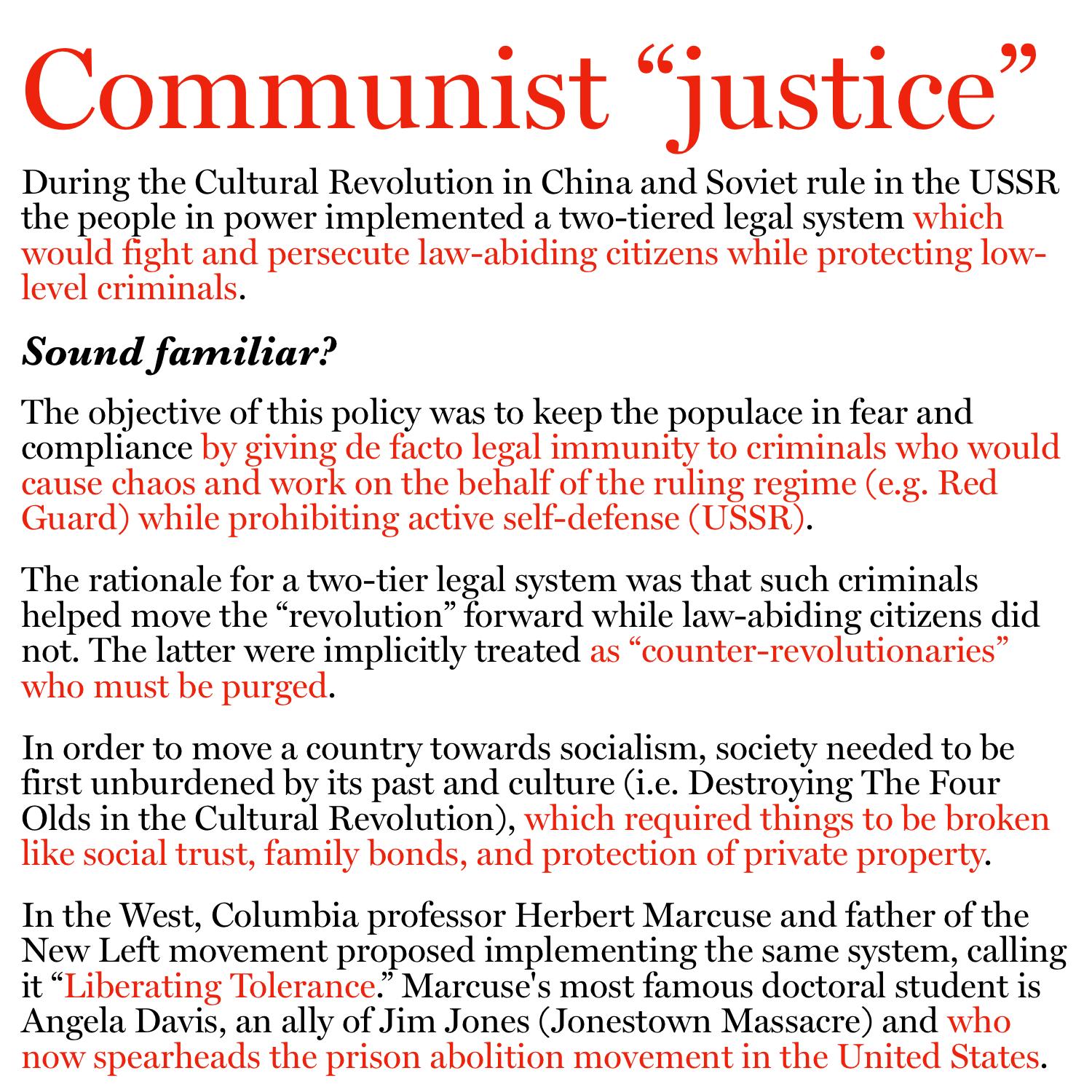
Overlay recent events in Canada with what has happened in history. This is ride we do NOT want to be on.
The sentencing of Lucy Connolly, a 41-year-old childminder from Northampton, to 31 months in prison for an offensive X post represents a disturbing shift toward authoritarian governance in the United Kingdom. On July 29, 2024, Connolly posted a message urging “mass deportation now” and to “set fire” to hotels housing asylum seekers, in the context of the Southport attacks. As reported by the BBC, “The post was viewed 310,000 times before she deleted it within four hours.” Despite her guilty plea and expressions of remorse, the severe sentence, upheld on appeal in May 2025, prioritizes punishment over proportionality, signaling a state overreach that stifles free speech. This case exemplifies how legal mechanisms can be weaponized to suppress dissent, a hallmark of authoritarian regimes.
The legal basis for Connolly’s conviction, Section 19 of the Public Order Act 1986, allows broad discretion in criminalizing speech deemed to incite racial hatred. The Crown Prosecution Service noted, “Connolly admitted publishing material which was threatening, abusive or insulting and intended to stir up racial hatred.” However, the post’s rapid deletion and Connolly’s lack of prior convictions suggest a lighter penalty, such as a fine, could have sufficed. Instead, the court imposed a near-maximum sentence, with the appeal judges stating, “There is no arguable basis for saying the sentence was disproportionate,” as per The Independent. This rigid application of vague laws to punish speech mirrors authoritarian tactics, where the state uses legal ambiguity to silence controversial voices and deter open discourse.
The societal impact of Connolly’s sentence creates a chilling effect on free expression, a cornerstone of democracy. The Free Speech Union criticized the sentence as “plainly disproportionate,” warning of its broader implications for free speech. Public reaction, including a fundraiser exceeding £50,000, reflects widespread concern that the punishment outweighs the crime. When a single post, however offensive, leads to over two years in prison for a first-time offender, it signals that the state values ideological control over individual liberty. This echoes authoritarian governance, where dissent is swiftly penalized to enforce conformity, pushing citizens toward self-censorship out of fear of legal consequences.
Comparisons to other cases highlight the disproportionate nature of Connolly’s punishment, reinforcing perceptions of authoritarian overreach. For instance, Philip Prescott received 28 months for violent disorder, while Haris Ghaffar got 20 months, despite their actions involving physical harm rather than words. The Independent reported, “Tyler Kay was jailed for 38 months for sharing Ms. Connolly’s post,” showing how the state extends punishment to amplifying speech, widening the net of censorship. This prioritization of controlling narrative over addressing tangible harm is a tactic seen in authoritarian regimes, where speech is deemed a greater threat than physical acts, undermining democratic principles.
In conclusion, Lucy Connolly’s 31-month sentence for an offensive X post marks a dangerous slide toward authoritarian governance in the UK. By leveraging vague legal provisions to impose harsh penalties on rapidly retracted speech, the state demonstrates a preference for control over individual rights. The chilling effect on free expression, disproportionate sentencing compared to violent crimes, and public backlash all point to a system prioritizing ideological conformity. As the Free Speech Union’s critique suggests, such precedents risk normalizing state overreach, eroding democratic freedoms and paving the way for further authoritarian measures under the guise of public order.
References:
1. BBC News. “Lucy Connolly jailed for race hate post on X loses appeal.” https://www.bbc.com/news/articles/c3v5926yeqro
2. The Independent. “Why was Lucy Connolly jailed for a tweet and why was her appeal dismissed?” https://www.the-independent.com/news/uk/crime/lucy-connolly-court-jail-appeal-b2754556.html
3. Crown Prosecution Service. “Updated sentence: Childminder admits inciting racial hatred over social media post.” https://www.cps.gov.uk/cps/news/updated-sentence-childminder-admits-inciting-racial-hatred-over-social-media-post











 bleatmop
 Mystro
 The Arbourist


 Dead Wild Roses
Your opinions…