
You are currently browsing the tag archive for the ‘Feminism’ tag.
 JSTOR Daily – News with a scholarly slant. Damn Son, I’m going to be all over that site. :)
From the article on Gender and Family Farms:
“Scott writes that all 23 women interviewed for the paper described doing both male and female chores. Men, on the other hand, talked mostly about male labor. Unless specifically asked, only a third of the men interviewed mentioned any work traditionally done by women. One apple grower described his orchard as a one-man business that his son would eventually inherit, with his wife and daughter only minimally involved. But, in a separate interview, his wife said that while her husband and son took care of the trees, she handled seedlings in the nursery, coordinated sales, hired seasonal labor, kept the books, and helped make decisions. She also mentioned that their daughter ran the farm’s fruit stand.
The men were also more likely to emphasize male ownership of family enterprises—“my grandfather’s farm” or “my tractor.” In contrast, the women usually referred to “my grandmother and grandfather’s farm” or “our tractor.”
Yet more evidence that male socialization is has a strong overlay of patriarchal bullshit. The best part is that until you take the time to read and think about it, patriarchy remains invisible, the monster in the tall reeds and bushes who influences everything and everyone yet, cannot be named or described to the uninitiated.
A helpful guide to assessing if you’re ‘with the program’ or not. Many thanks to WitWitch for the post.
“How do you know if your argument is feminist? Well, check out the basic core beliefs of feminism. Does your argument support these beliefs?
The value of women is inherent because we are human beings. Males do not assign us our value.
- women do not lose value based on their appearance
- women do not lose value based on how much sex we have had
- women do not lose value based on our marital status or sexual orientation or number of children or ability to give birth or any other male system of objectification and commodification of our bodies
- women are not “bitches” or “cunts” or “sluts” or “whores” or any other label men come up with to denote that we are subhuman and have decreased in value because of a lack of obedience to them
Women are people. Our bodies exist for us. They do not exist for male consumption. Our bodies deserve respect.
- women NEVER owe men access to our bodies
- women NEVER owe men sex
- we do not exist to provide men with children
- periods are natural and not offensive
- our bodies are not inherently shameful
- we deserve to be educated about our bodies
- males should not control or own female bodies
- we do not need to conform our bodies to male imposed beauty standards
- our natural body hair is not offensive
Women are not naturally ““feminine”“ there is no such thing as a “lady brain” because women are not mentally inferior to men.
- femininity is a social construct forced on women at birth
- the idea of what is “feminine” is created by men and imposed on women against our will
- gender does not come from inside of us, it is not natural
- we suffer punishment ranging from social consequences to male violence for not conforming to male feminine ideals
- brain plasticity is a thing
- socialization exists and is real
- how you are raised and treated by society affects how you act and behave, your thoughts, ideas, and opinions and actions
- people are born as a blank slate personality wise, and develop who we are based on our surroundings and how we react to them and the consequences of how we reacted, etc.. Life events are important.
Male is not the default setting for human being.
-
“equality” is giving a fish and a bird the same set of standards
-
women need liberation from male supremacy, not a place within it where we can continue to perpetuate harmful male supremacist values such as “might makes right”
-
the capability of physical violence does not make someone superior to another person, especially in a species whose primary evolutionary advantage is our brains
-
female reality is important and should be weighed with the same consideration and respect given to male reality–femaleness is not a handicap just because our capabilities are different from those of men
-
women should be able to live entirely independent of men
-
women’s capabilities need to be respected, the things women can do well need to be valued, rather than telling women we need to do things that men value
-
the things men can out perform us on (such as sports) do not make men more valuable human beings than women
-
the things men can do are not inherently more valuable than what women can do”
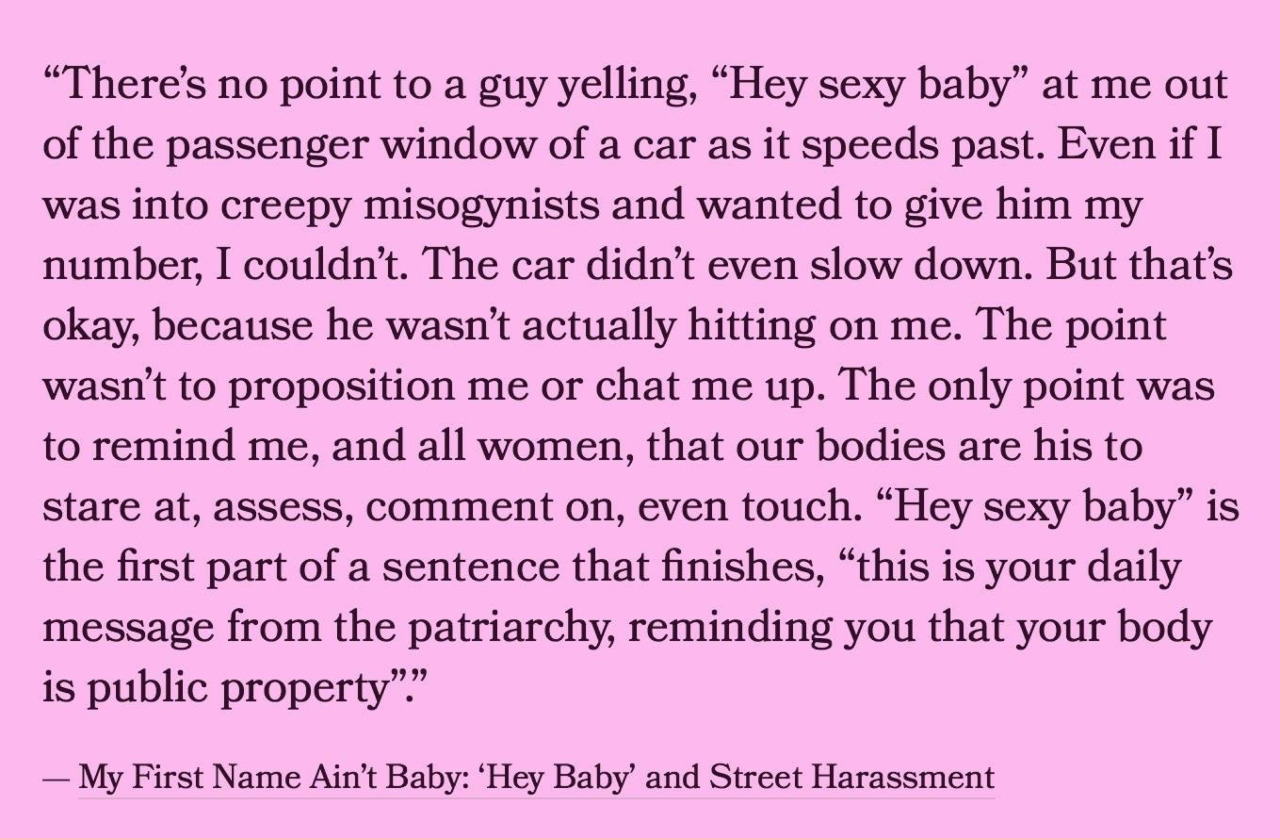
What is gender and how does if affect our society? Lierre Keith provides some insight and clarity regarding the topic while casting some shade on the po-mo obfuscation of said topic.

On being female in society.

Boom.
Just a great article through and through. Go read it all here.
“I sort of kicked the hornets’ nest the other day, by expressing feminist opinions about books. It all came down to Lolita. “Some of my favorite novels are disparaged in a fairly shallow way. To read Lolita and ‘identify’ with one of the characters is to entirely misunderstand Nabokov,” one commenter informed me, which made me wonder if there’s a book called Reading Lolita in Patriarchy. The popular argument that novels are good because they inculcate empathy assumes that we identify with characters, and no one gets told they’re wrong for identifying with Gilgamesh or even Elizabeth Bennett. It’s just when you identify with Lolita you’re clarifying that this is a book about a white man serially raping a child over a period of years. Should you read Lolita and strenuously avoid noticing that this is the plot and these are the characters? Should the narrative have no relationship to your own experience? This man thinks so, which is probably his way of saying that I made him uncomfortable.
All I had actually said was that, just as I had identified with a character who’s dismissively treated in On the Road, so I’d identified with Lolita. I read many Nabokov novels back in the day, but a novel centered around the serial rape of a kidnapped child, back when I was near that child’s age was a little reminder how hostile the world, or rather the men in it, could be. Which is not a pleasure.
The omnipresence of men raping female children as a literary subject, from Tess of the d’Urbervilles to Less Than Zero, along with real-life accounts like that of Jaycee Dugard (kidnapped at 11 in 1991 and used as a sex slave for 18 years by a Bay Area man), can have the cumulative effect of reminding women that we spend a lot of our lives quietly, strategically trying not to get raped, which takes a huge toll on our lives and affects our sense of self. Sometimes art reminds us of life.”
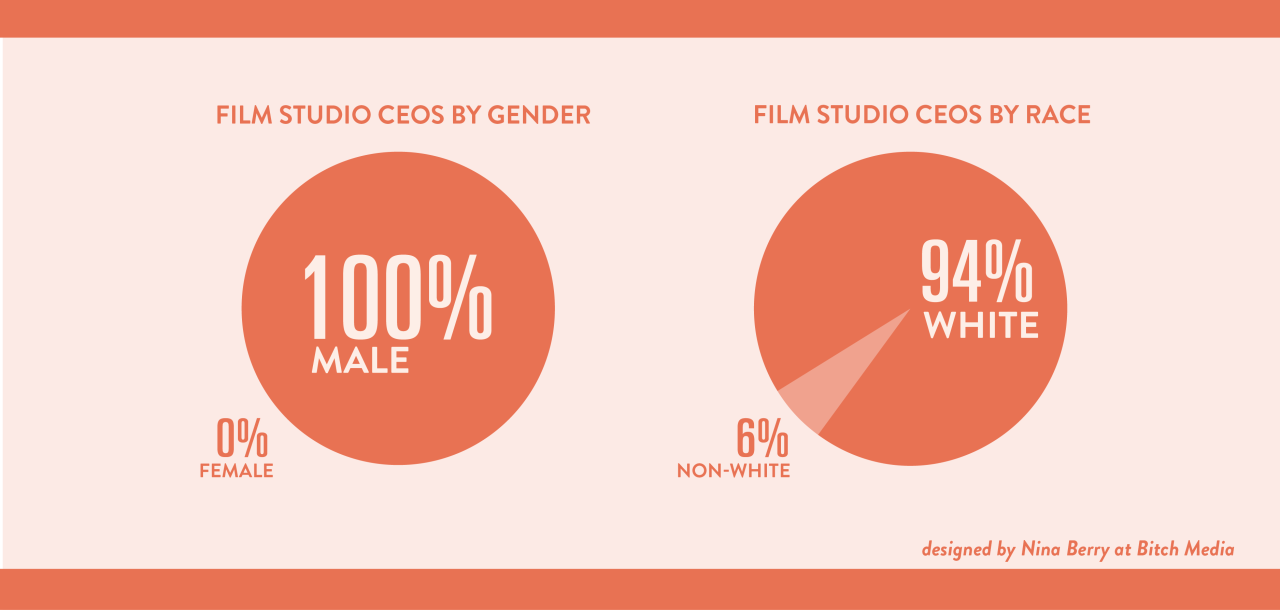


Completely shocking I know…











 bleatmop
 Mystro


 Dead Wild Roses
Your opinions…